In 1935 Erwin Schrödinger came up with what he meant as a joke. Put a cat in a sealed box with a radioactive atom, a Geiger counter and a vial of poison. If the atom decays, the vial breaks and the cat dies. Quantum mechanics says that until someone looks, the atom is in a superposition of decayed and not decayed, so the cat is somehow alive and dead at once.
Ninety years later, physicists still argue about what “looking” actually does. Meanwhile machine learning has spread into nearly every corner of science. So the question for this article is a natural one: can ML solve Schrödinger’s cat?
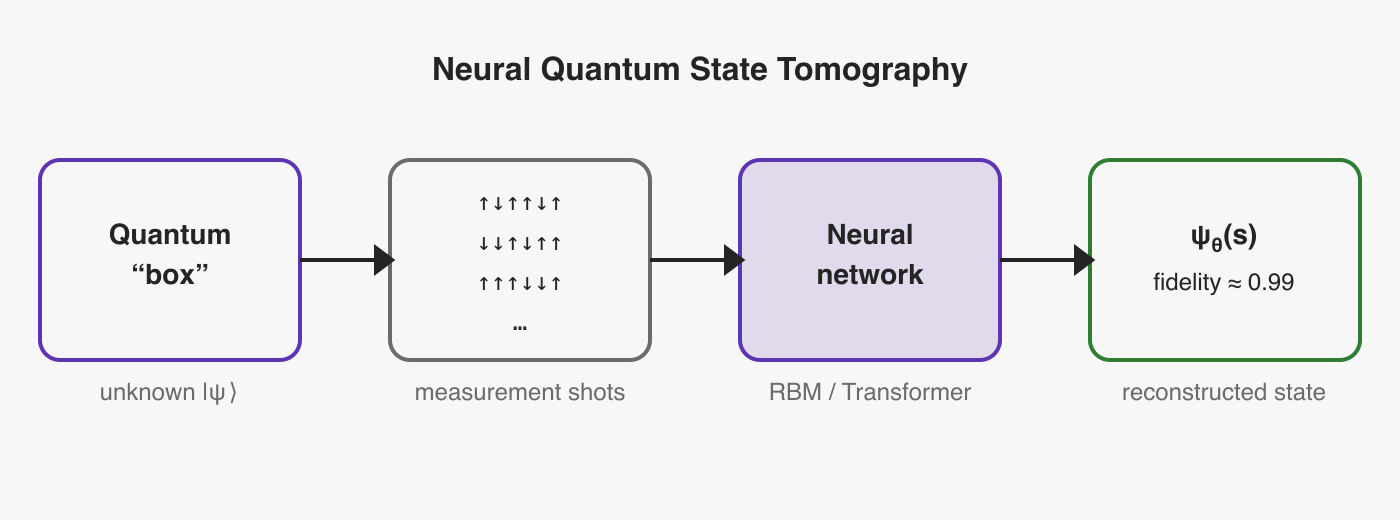
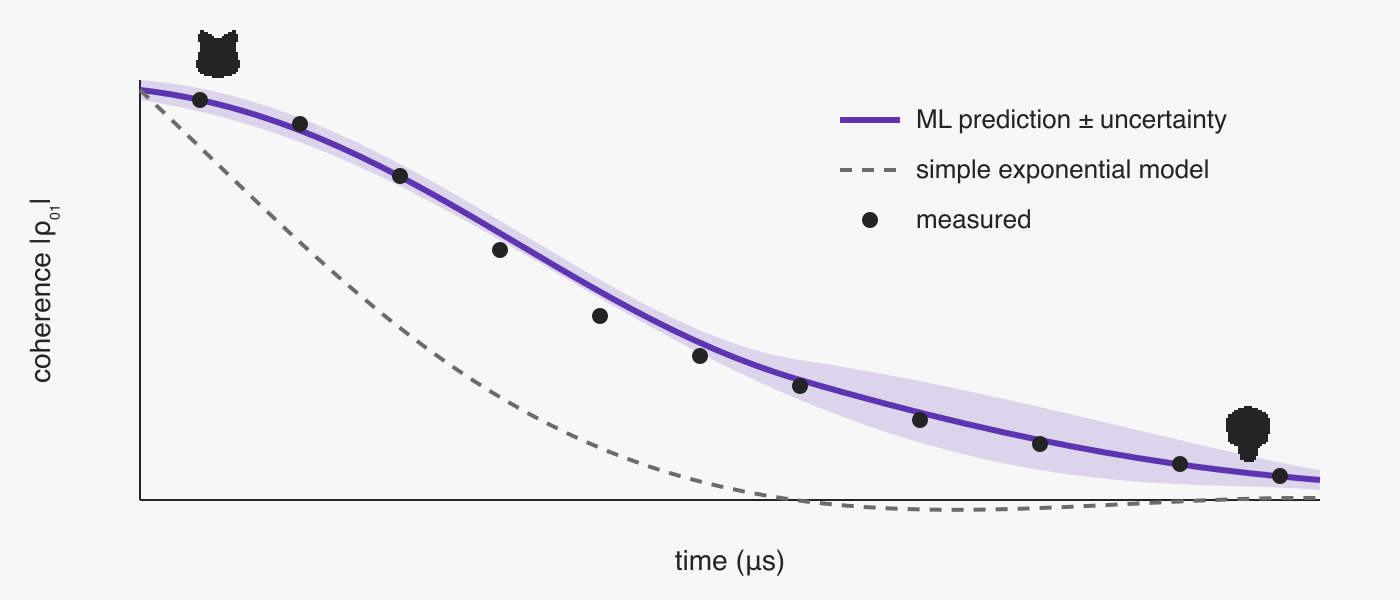
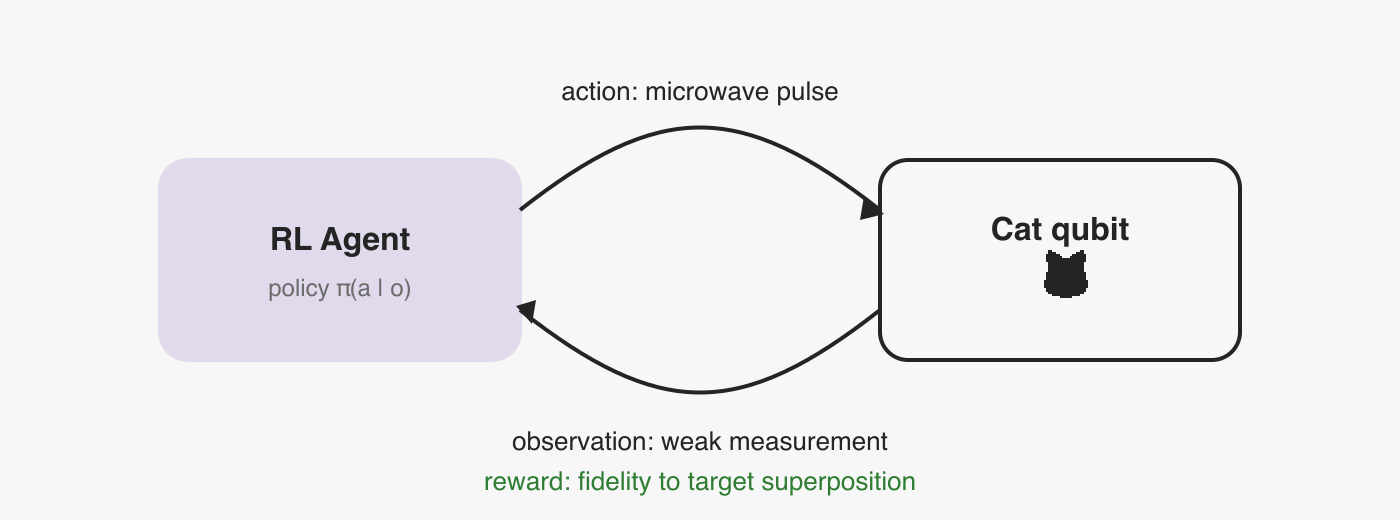
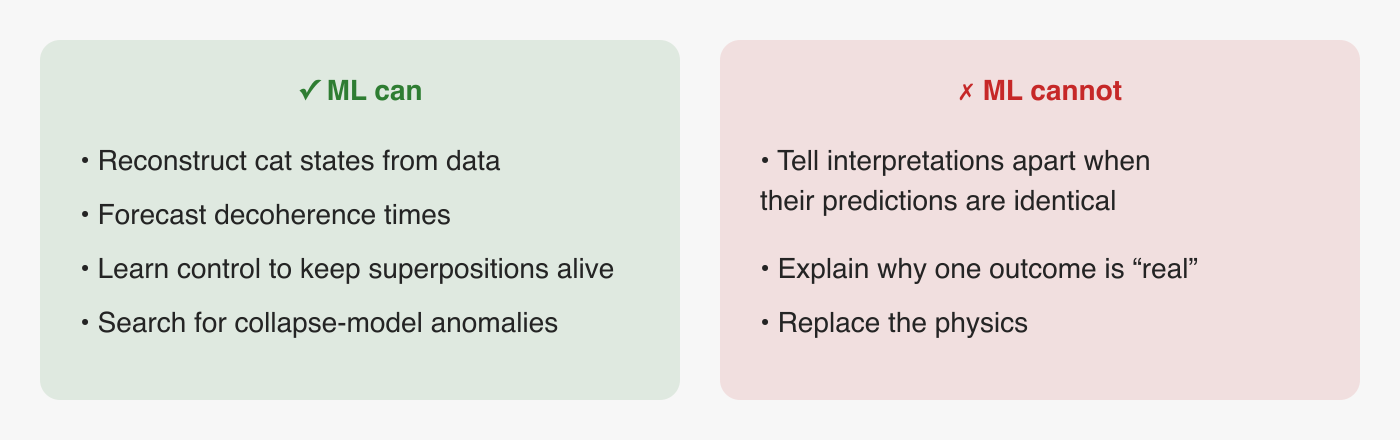
The honest answer comes in two parts. ML can’t settle the interpretational puzzle, because that is a question about what reality is, and no curve-fitting can answer it. ML can, however, attack the operational version: working out the state inside the box, predicting when the superposition collapses, and stopping that collapse for longer. Those are the problems that decide whether quantum computers work.
1.…