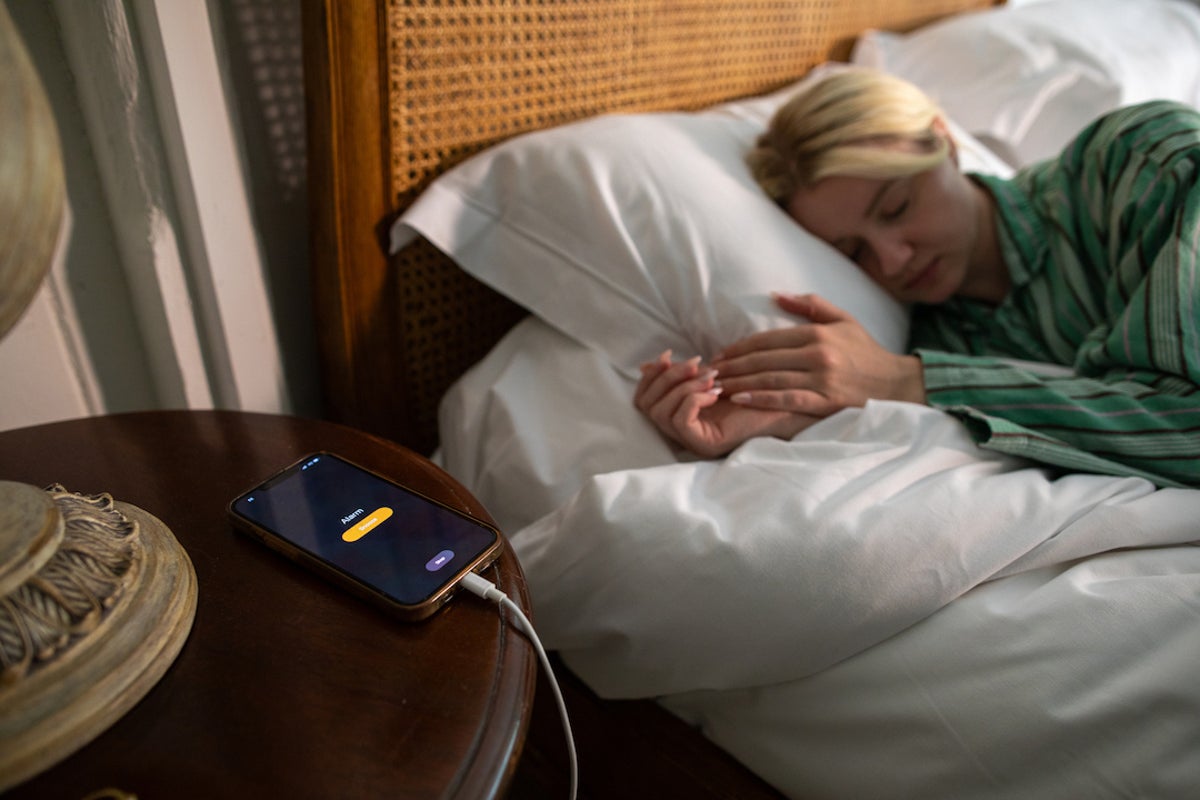
The arrival of shorter, darker days and a noticeable drop in temperature can significantly impact our daily energy levels, but winter’s effect on our sleep patterns often proves even more disruptive.
From struggling through restless nights in a chilly bedroom to waking up feeling unusually groggy, the colder months present distinct challenges to achieving quality rest .
Dr David Garley, a GP and director of The Better Sleep Clinic, highlights how both colder weather and altered daytime activity can strongly influence sleep during this period.
"When you move from the wake phase to the sleep phase of your circadian rhythm, that’s marked with a drop in your core body temperature of about 0.5C to 1.5C," he says.
“So, if you’re very hot, you may struggle to make that transition, and that is why many people struggle to sleep in the summer.”
However, while overheating can impede sleep, an excessively cold room can also pose a problem.
“You want your bedroom to be cool," Dr Garley says.
“This exact…