What a real transatlantic collaboration looks like
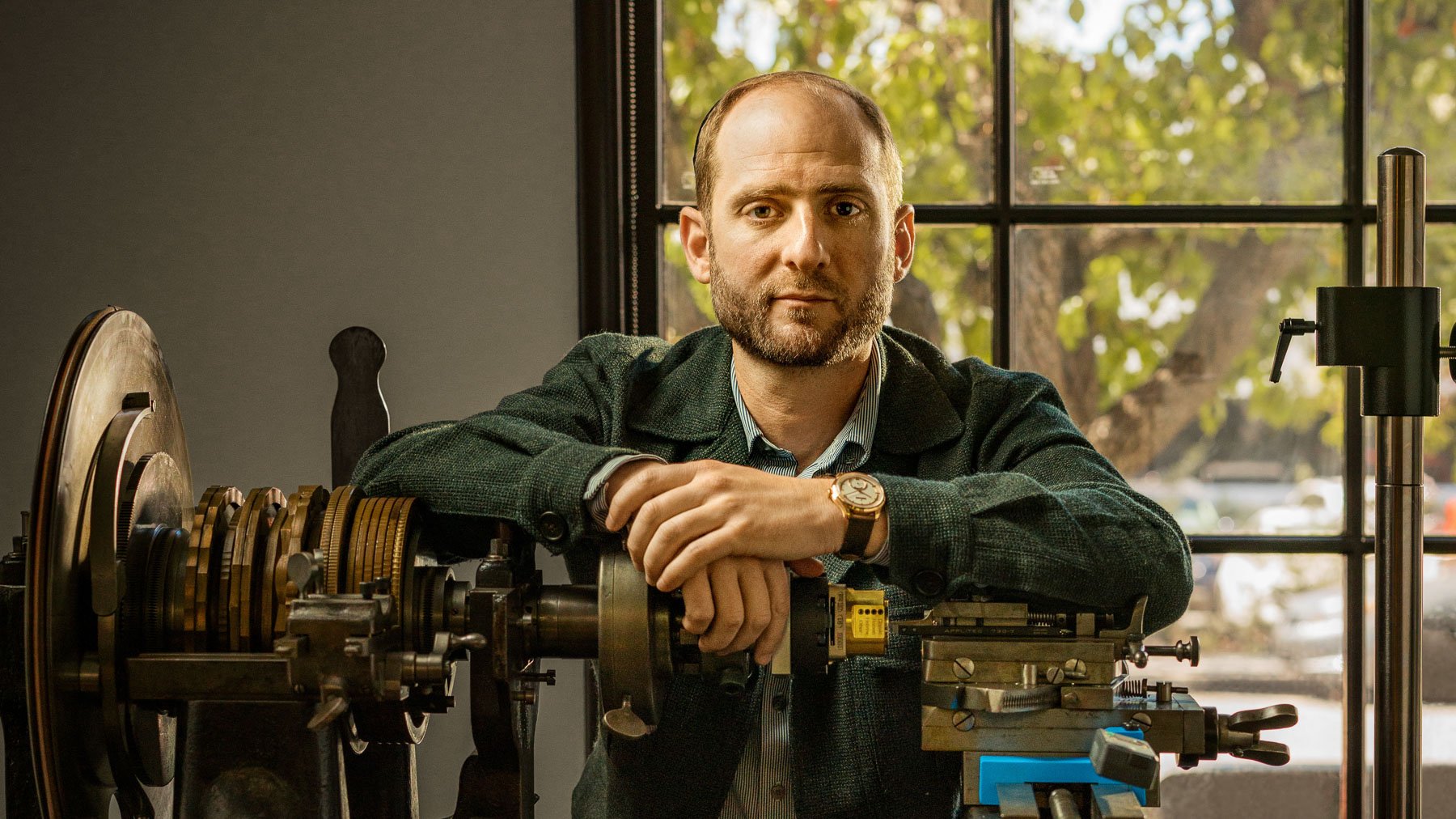
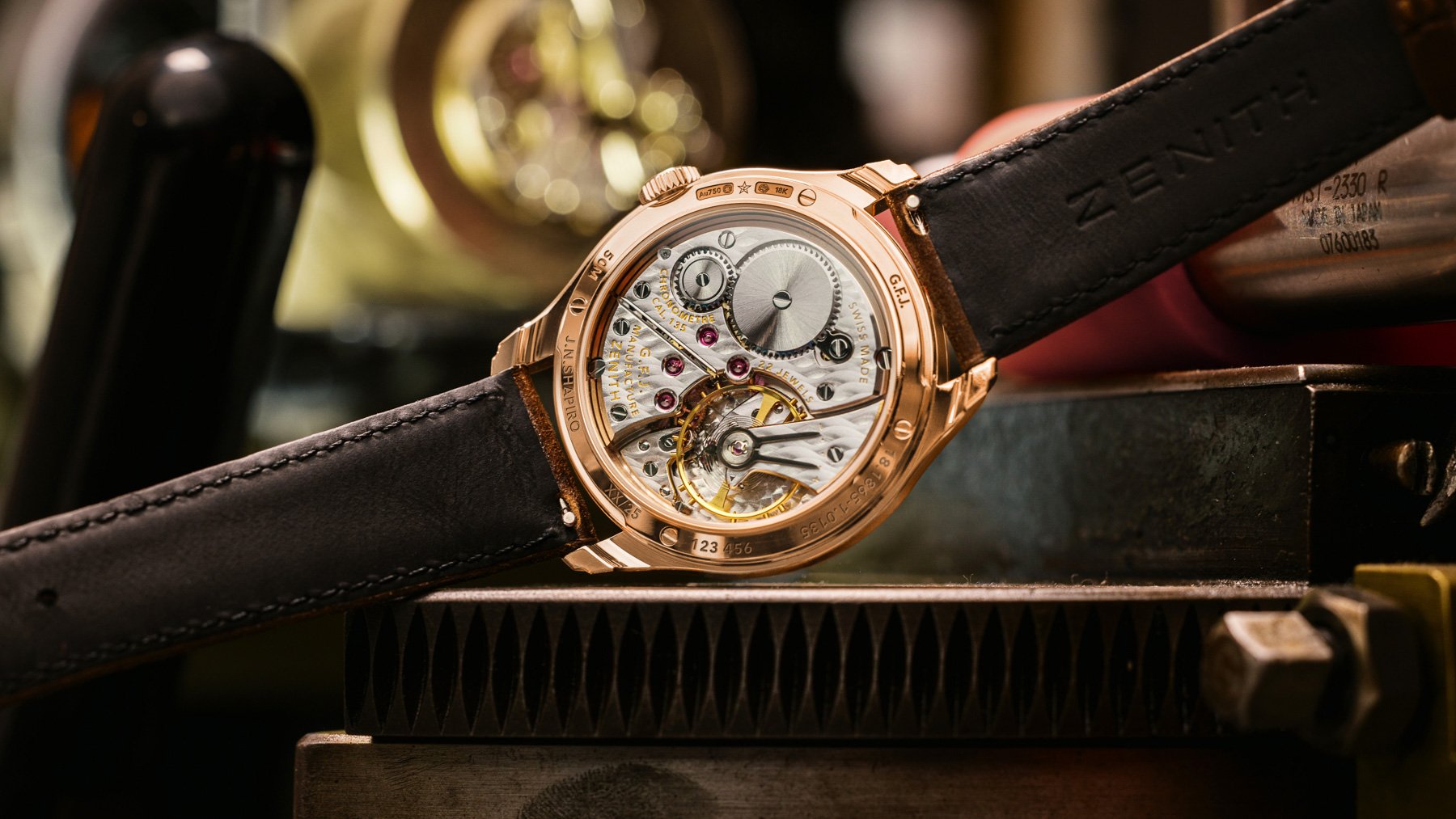
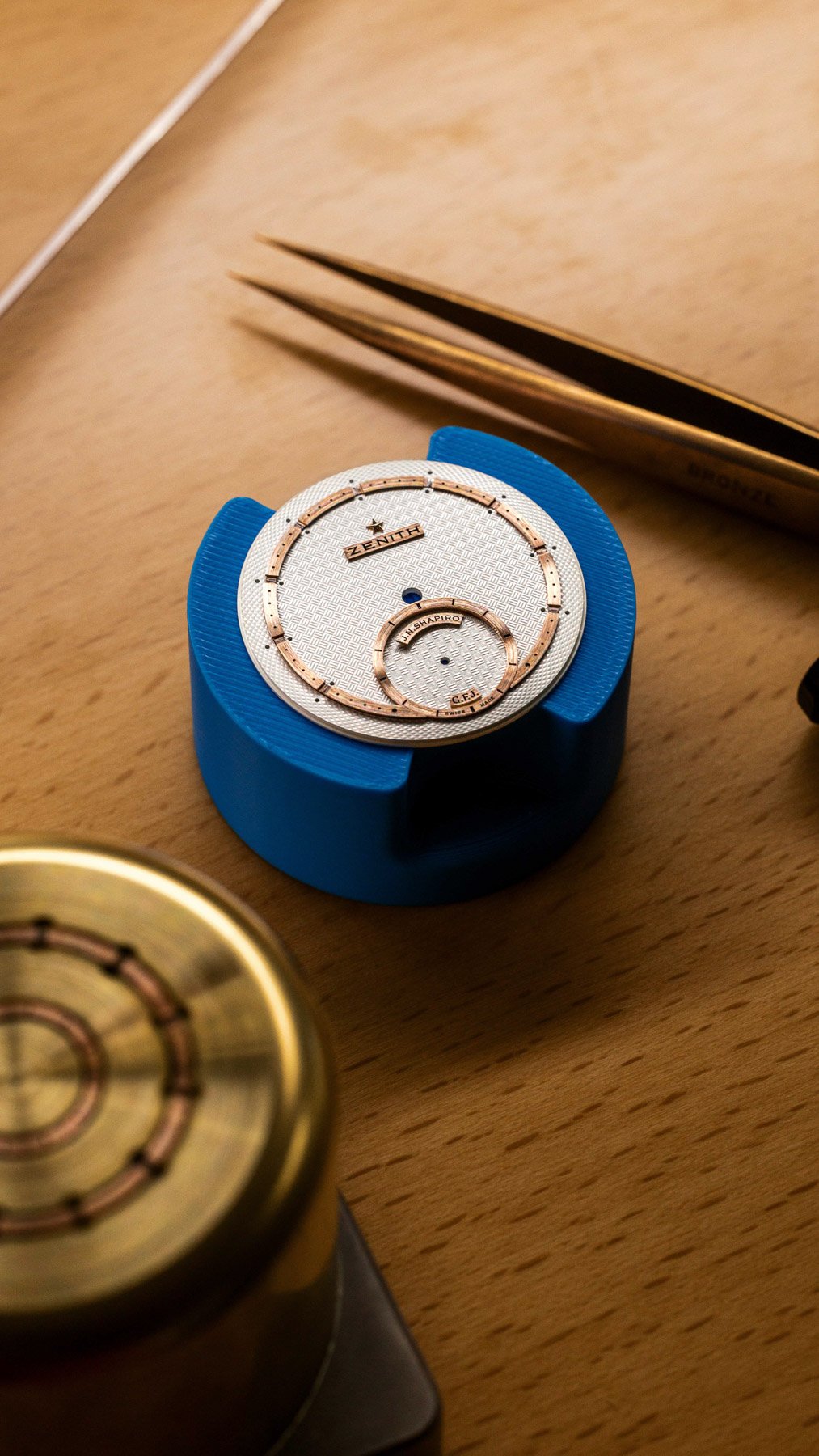
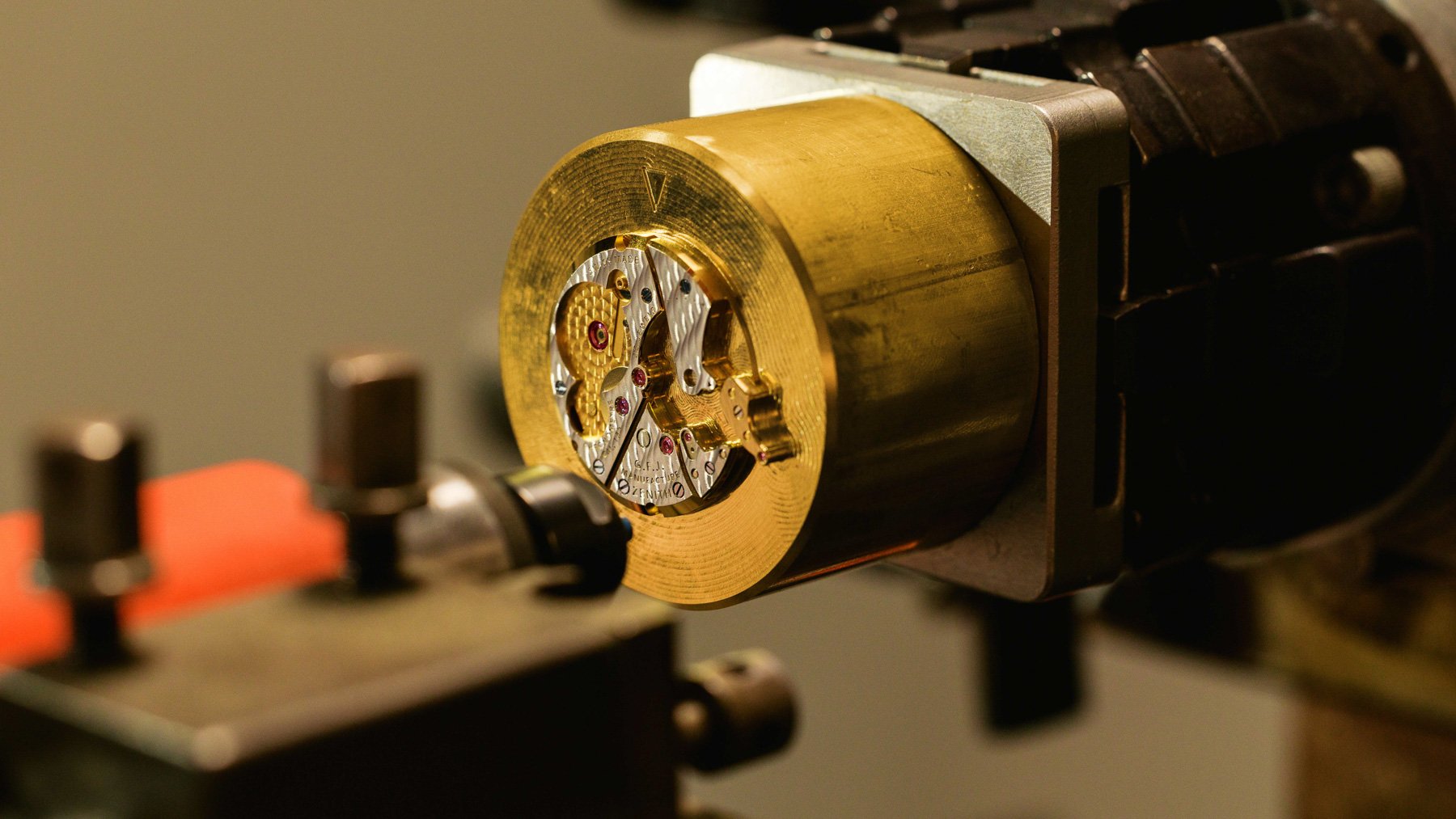
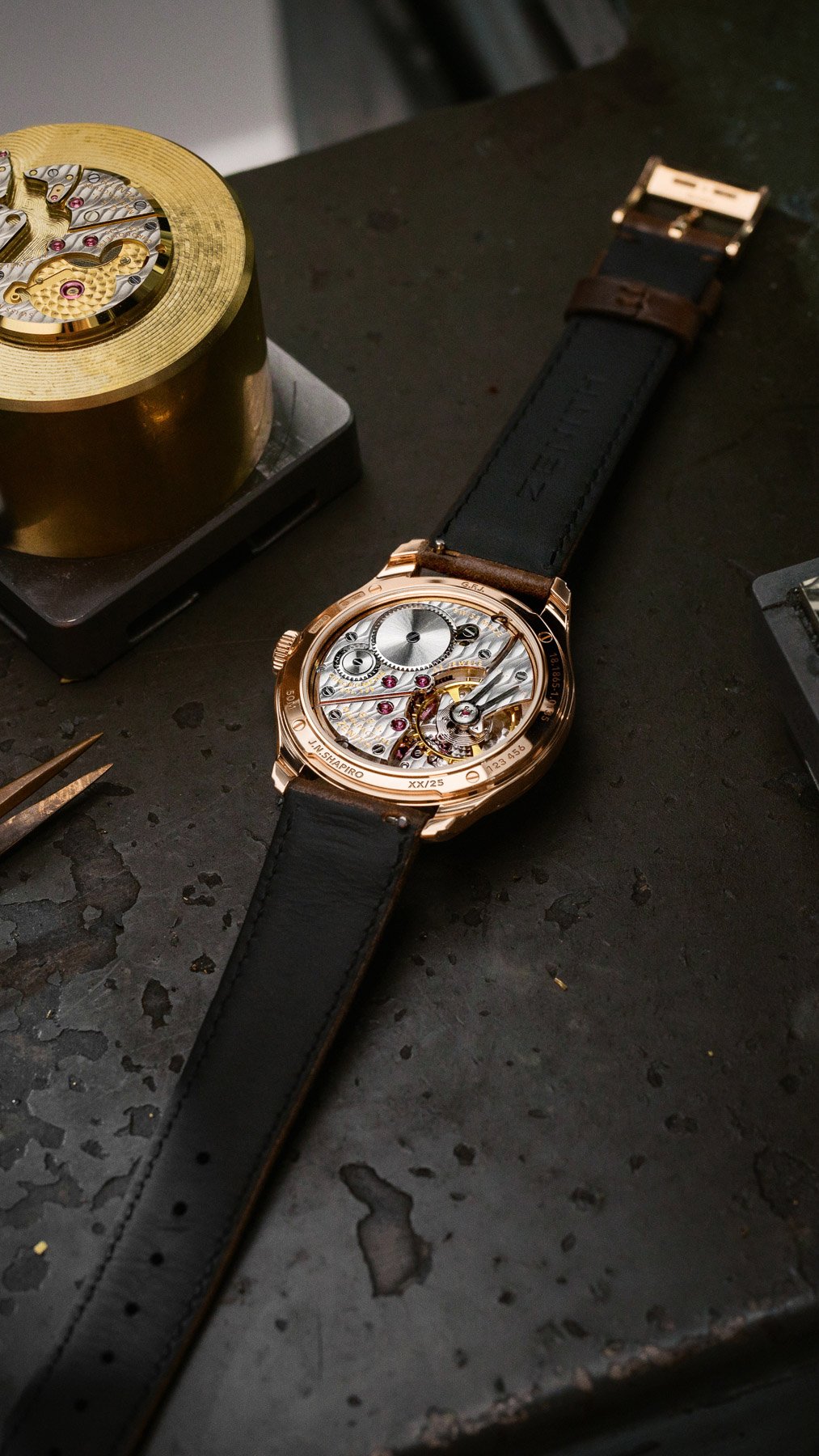
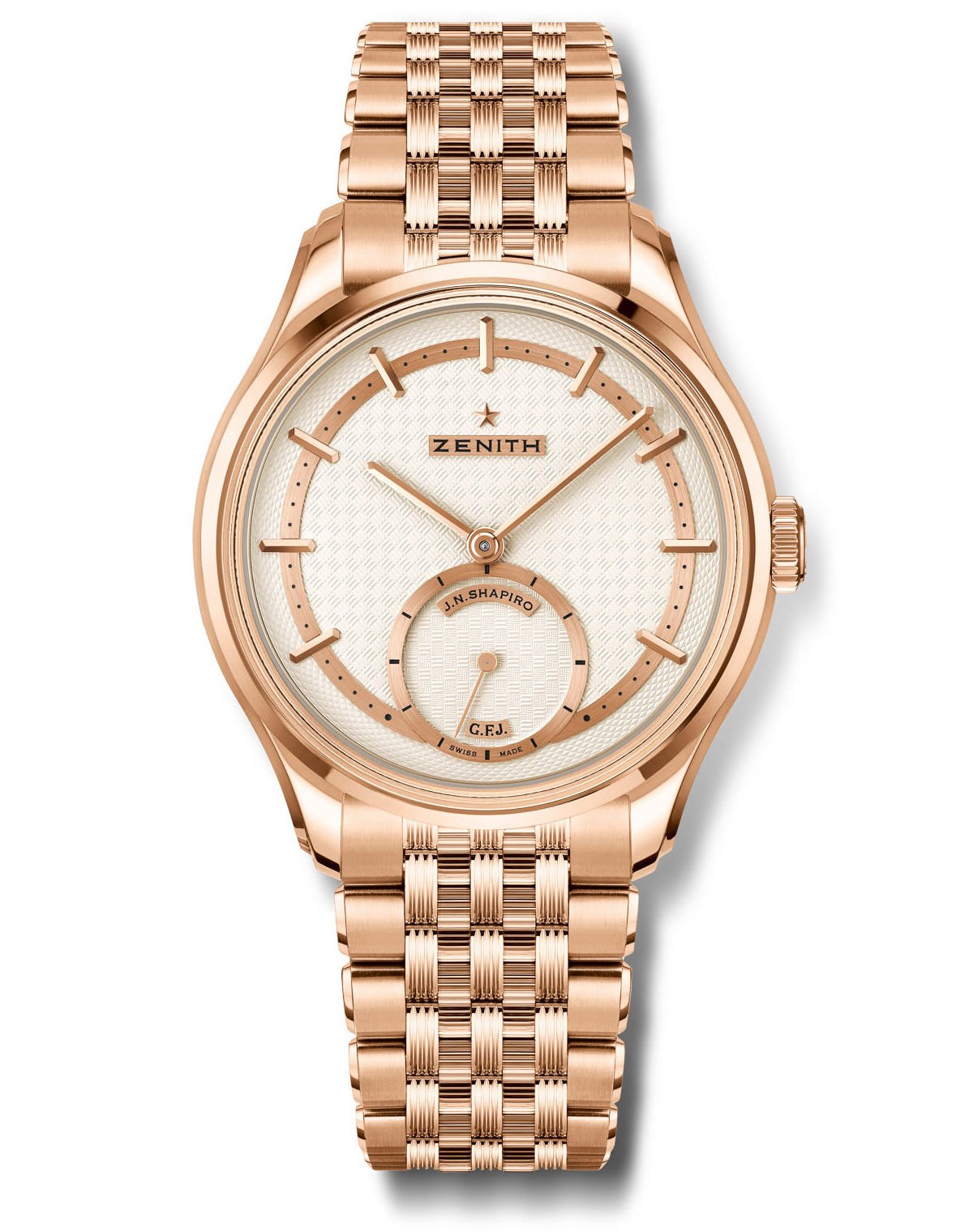
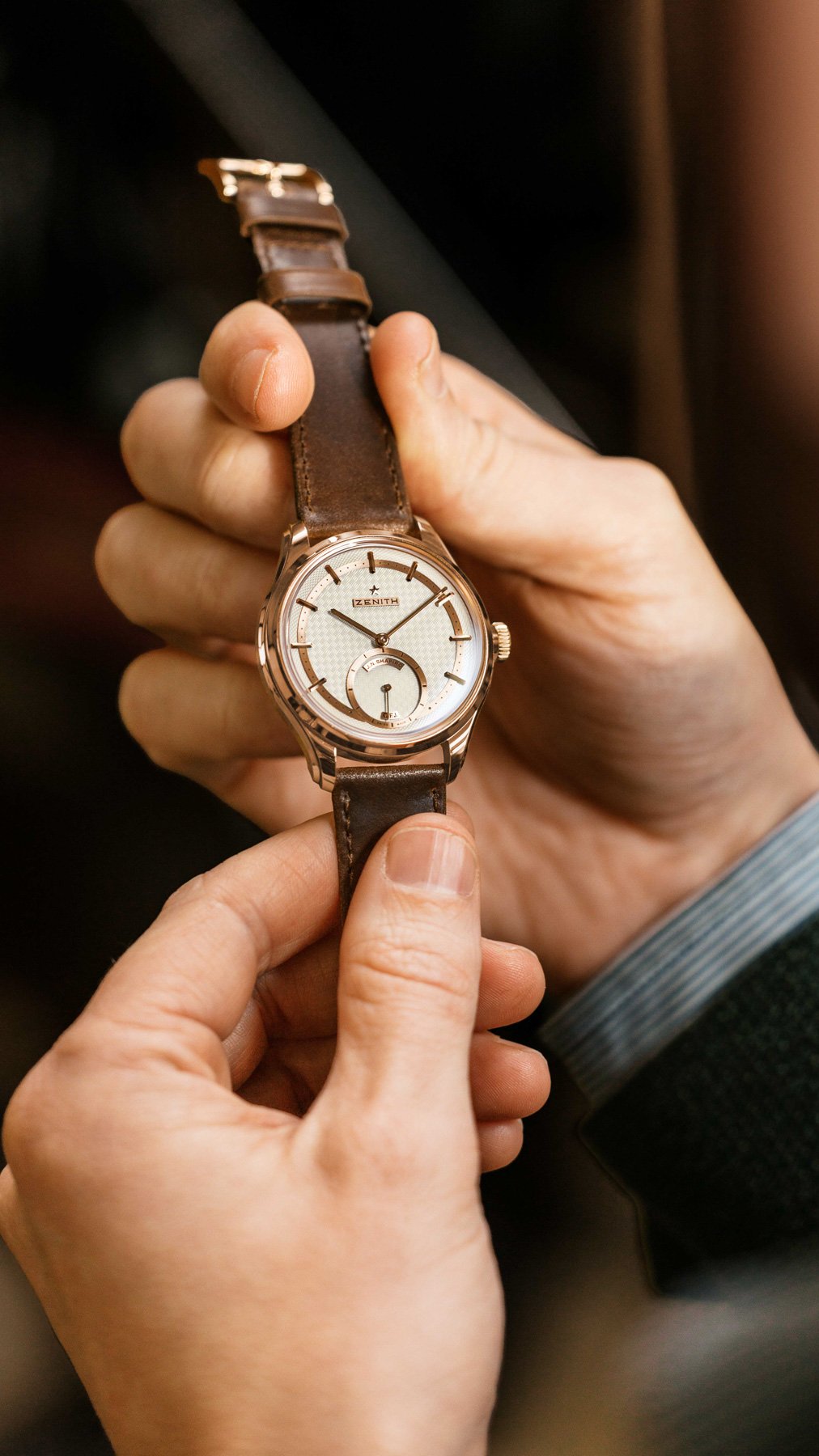
Operating a traditional rose engine is intricate work. It requires constant pressure and a steady hand from the artisan at the wheel. Achieving this kind of finish demands considerable skill and concentration, and even the slightest lapse can ruin hours of painstaking work. But when everything comes together, the result is a crisp, three-dimensional pattern that makes the effort worthwhile. Zenith’s new G.F.J. Calibre 135 Double Signed with J.N. Shapiro is a fine example.
Guilloché dates back to the early 1500s, although it wasn’t used in watchmaking until the following century. Another decorative technique, damaskeening, emerged in the 1800s and became particularly popular in America. Unlike the deep cuts made by a rose engine, damaskeening creates patterns on movement bridges through a lighter texturing process, marrying the deep, sweeping waves of Côtes de Genève with the spirograph-like geometry of a rose engine.…