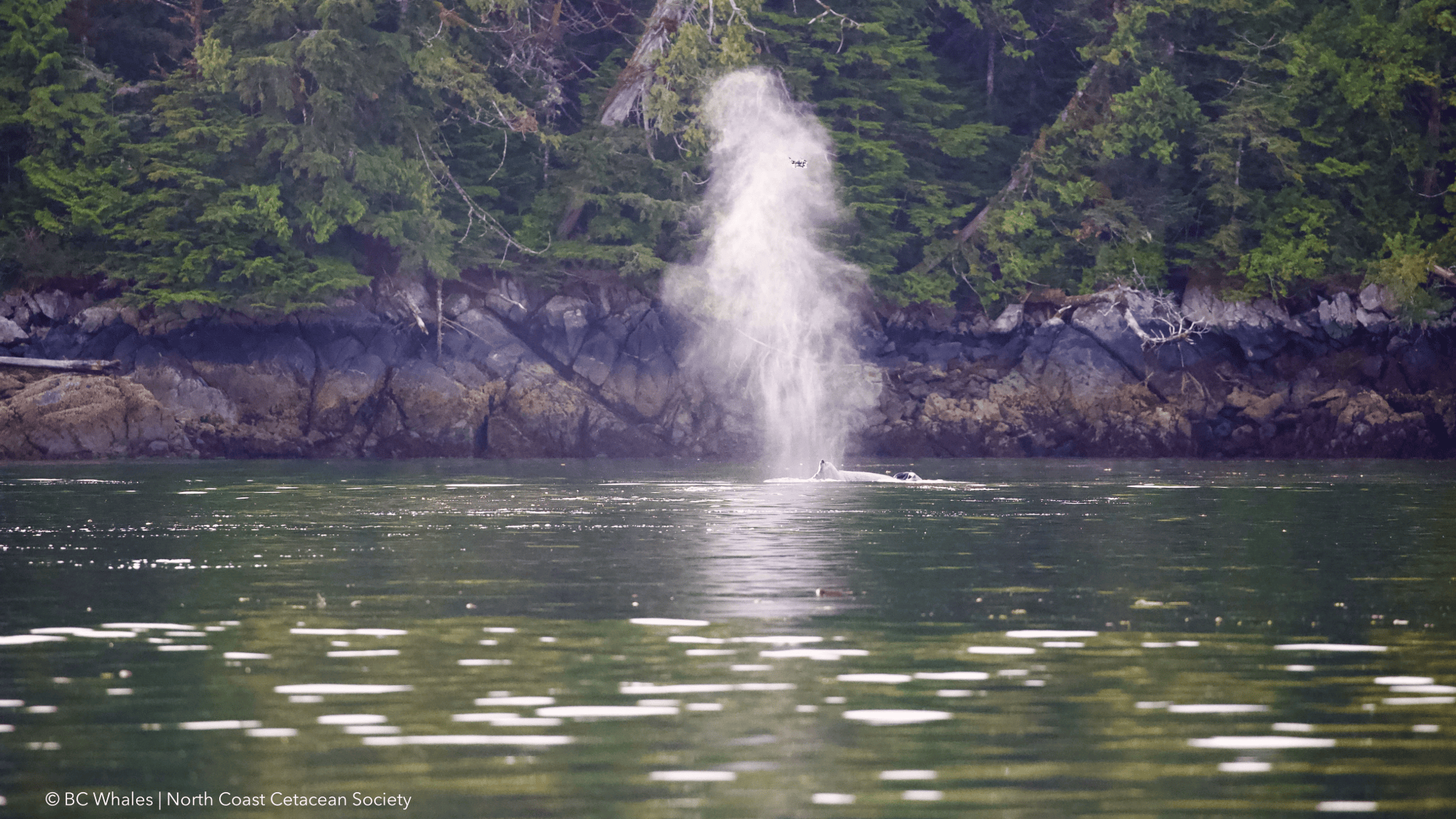
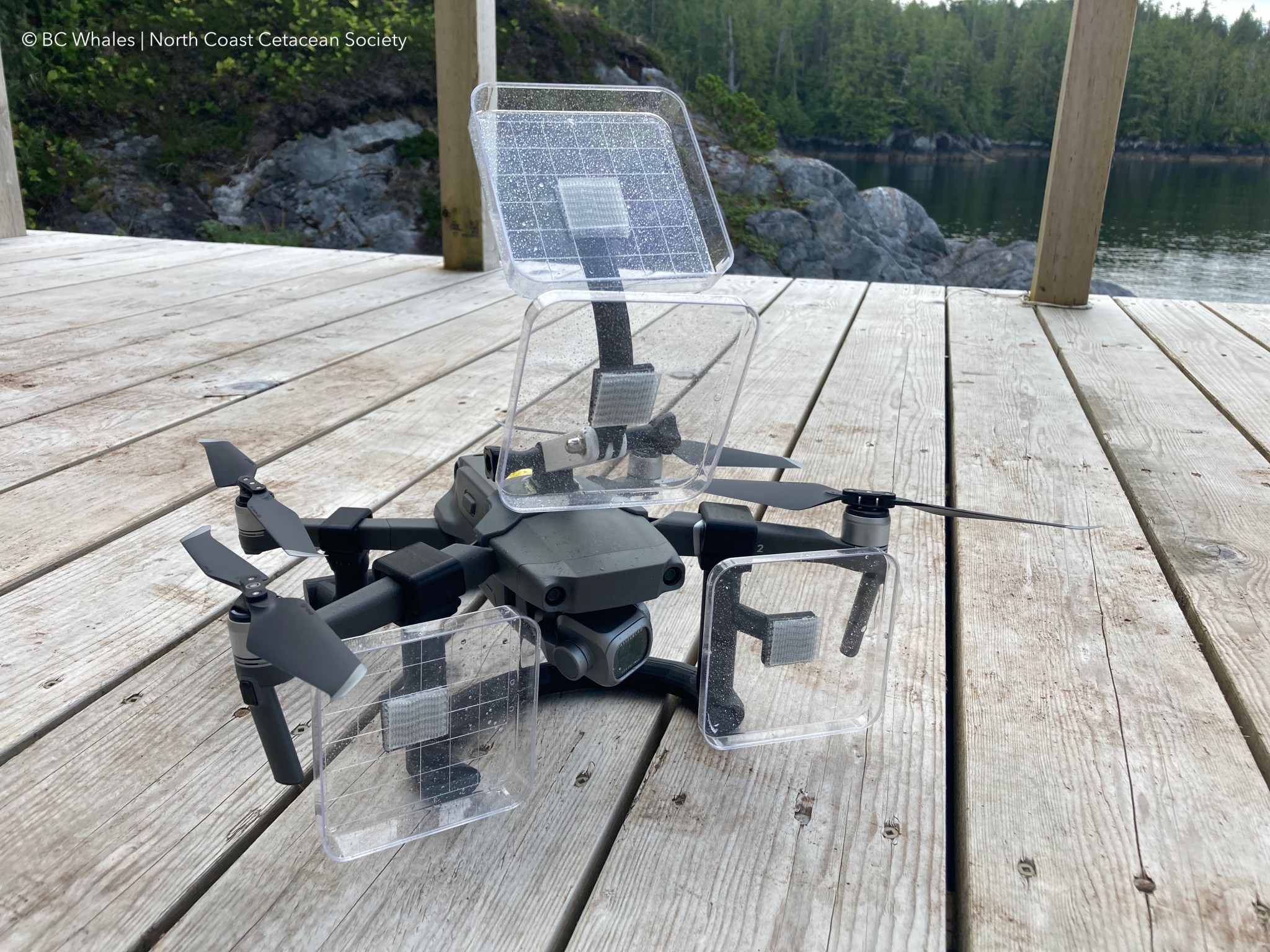
A drone samples whale blow off the coast of British Columbia, Canada. Image: North Coast Cetacean Society
Whale vomit can be turned into expensive perfume. Whale carcasses will sink to the bottom and become marine life habitats. Whale pee nourishes the entire ocean . But how about whale snot ? The microbes and other biological material emitted from their blowholes when the giant cetaceans breathe has helped scientists sequence an entire whale genome: Take that whale vomit. The findings are detailed in a study published today in the journal Molecular Ecology Resources .
Drones and snot
Whole genomes are crucial for animal conservation . With genomic data, researchers can measure population health, to see how much genetic diversity and inbreeding is present. It can also help identify individual animals for monitoring, help determine an animal’s sex, and estimate the population’s size.
To obtain genetic data from whales , marine biologists historically have had to conduct a skin biopsy.…