Scientists have discovered a new way to help predict which men may develop prostate cancer , more than a decade before they do.
The work from a team at Oxford University also found proteins linked to aggressive forms of the disease, pinpointing with more accuracy which cancers may become life-threatening.
The largest study of its kind found clear biological differences between men who later developed prostate cancer and those who did not.
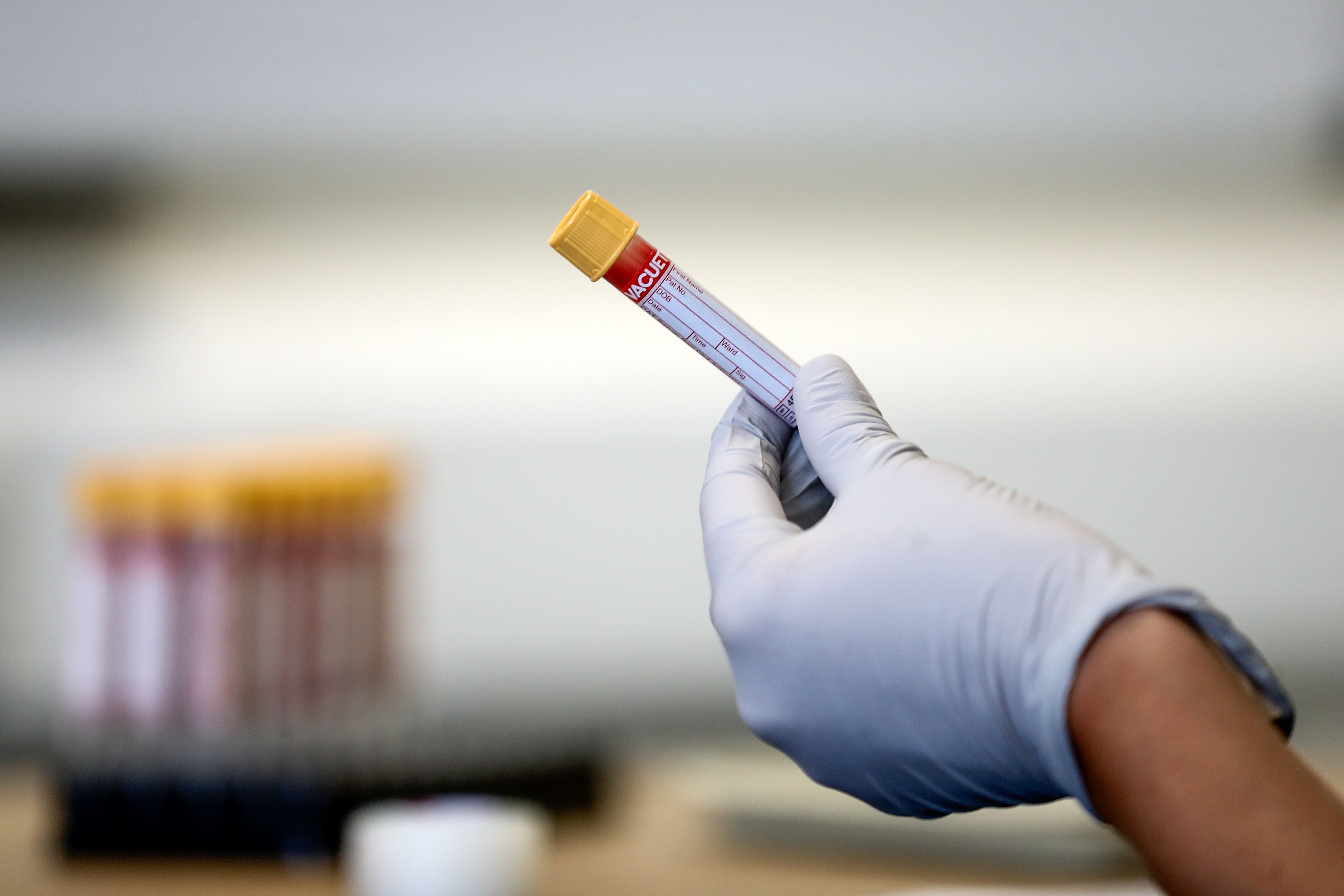
The research examined blood samples from 982 men who later developed prostate cancer. A further 1,573 men, randomly selected from the European Prospective Investigation into Cancer and Nutrition, were also included.
The results were published in European Urology and presented at the American Society of Human Genetics (ASHG) annual meeting.
Researchers measured more than 6,000 proteins in the blood and participants were followed up for around 16 years.
Overall, 12 proteins were found that were linked to prostate cancer diagnosed more than 15 years later including GZMK,…