Tied to the Sabarimala case are also questions of practices among religious communities like Parsis and Dawoodi Bohras.
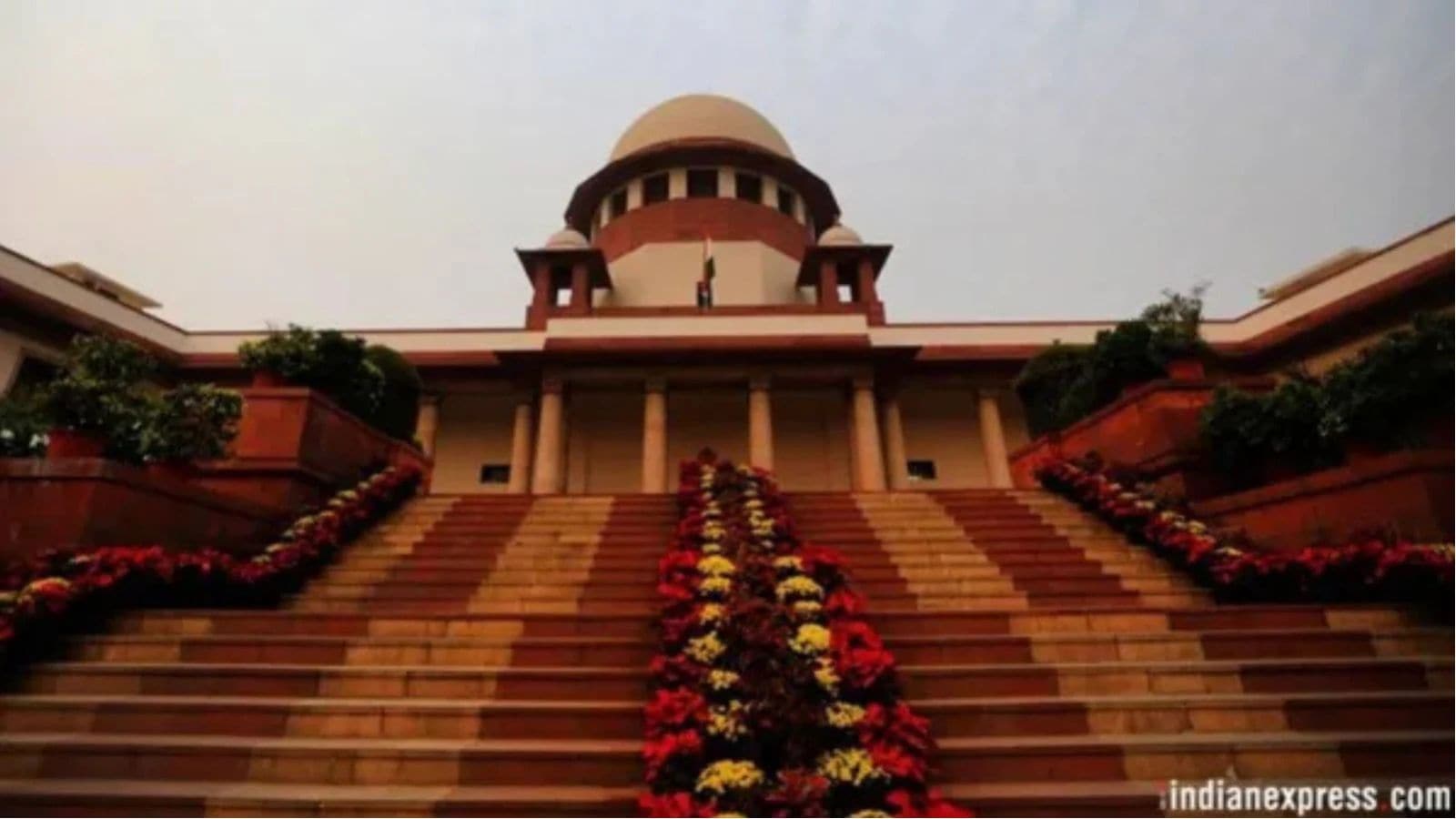
UNDERLINING THAT India’s civilisational status is closely linked to its religion, the Supreme Court on Thursday wondered whether it would not be harming that identity if it starts interfering with every religious dispute.
“What is unique about India? Why are we a civilisation despite having so much plurality and diversity? One of the constants in our society is the relationship between humans — man, woman and child — and religion; it is so intimate to everyone,” said Justice B V Nagarathna, who is a part of the nine-judge SC bench hearing the Sabarimala reference.
The bench, presided by Chief Justice of India Surya Kant and comprising Justices Nagarathna, M M Sundresh, Ahsanuddin Amanullah, Aravind Kumar, Augustine George Masih, Prasanna B Varale, R Mahadevan and Joymalya Bagchi, is hearing constitutional questions arising from petitions seeking review of the SC’s September 28, 2018…