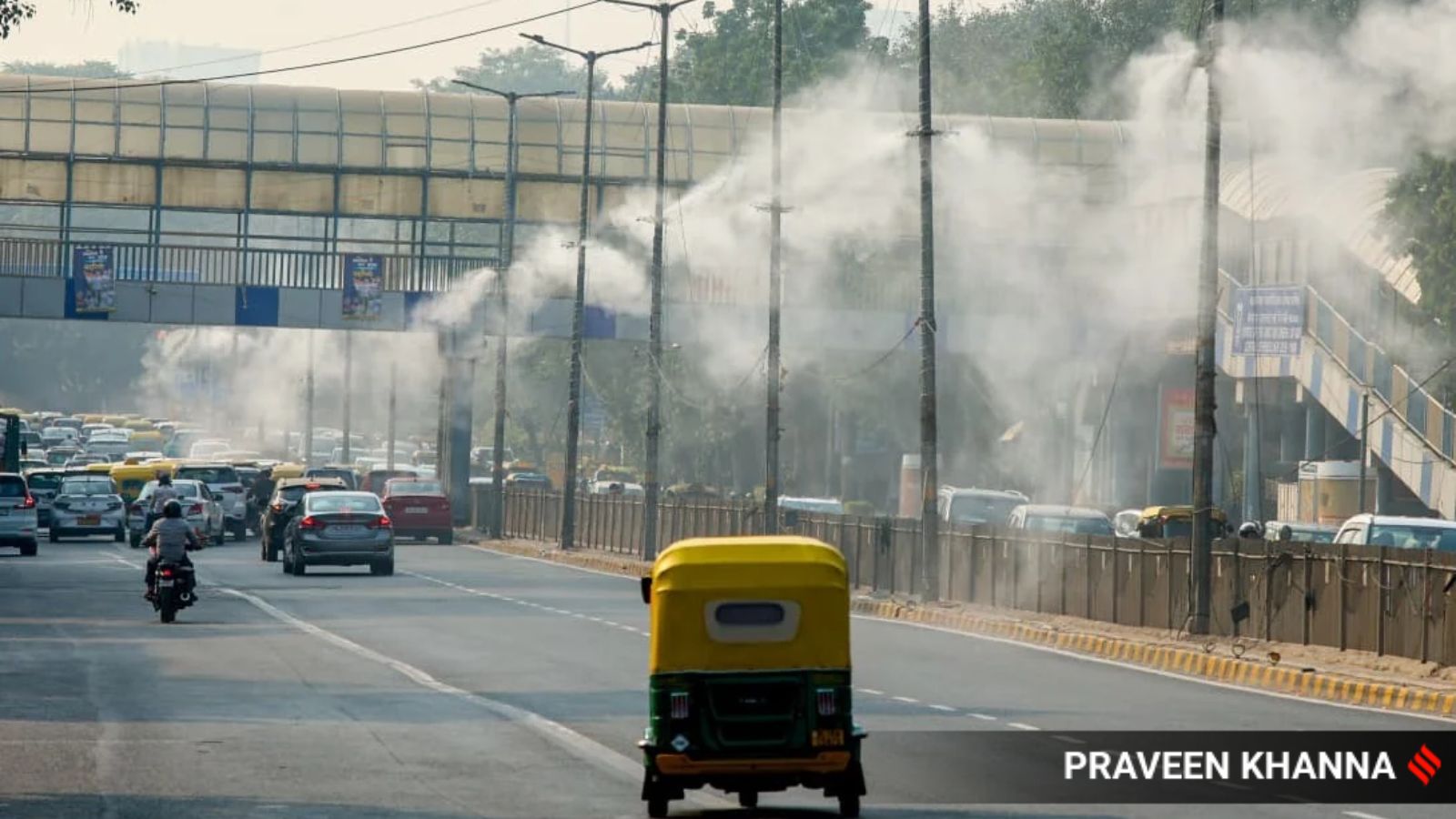
In north India’s autumns, particularly around the week of Diwali, smoke from crop burning adds to the annual Diwali spike in the air quality index, or AQI. The geography of the Indo-Gangetic plains, changes in the pattern of prevailing winds and temperature inversions common at this time conspire to trap the dirty air in place. In that week, and through much of the later winter season, India’s air pollution problem springs sharply into focus.
A recent study showed that 83 of the 100 most polluted cities in the world were in this country. This isn’t a problem only in parts of northern India — whether in the north, south, east or west, air pollution levels are stubbornly high. Progress in reducing them has stalled even as the health toll rises.
Data Blindspots
In India, the AQI is calculated based on the amounts of eight pollutants in the air we breathe. Of them, PM2.5 and PM10 represent the concentration, by mass, of particles of size up to 2.5 microns and up to 10 microns.…