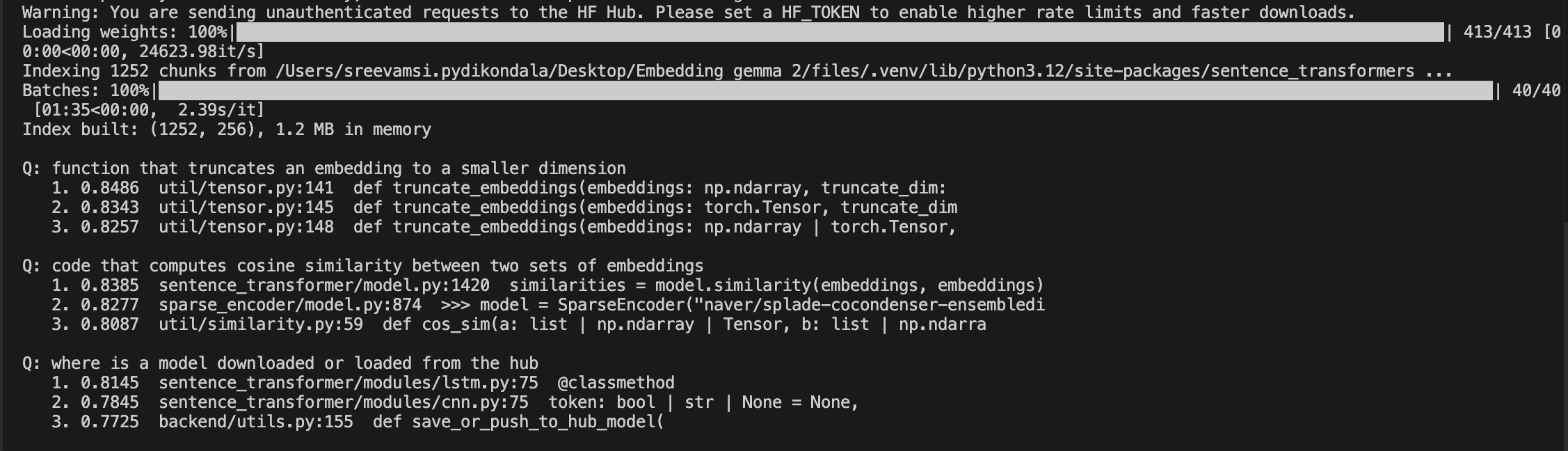
Imagine building a search engine for your company’s knowledge base. Someone searches for a bug described in a Slack message, but the answer is buried in a code file. Another remembers a chart from a presentation but not its title. A third wants to find a video using a text description.
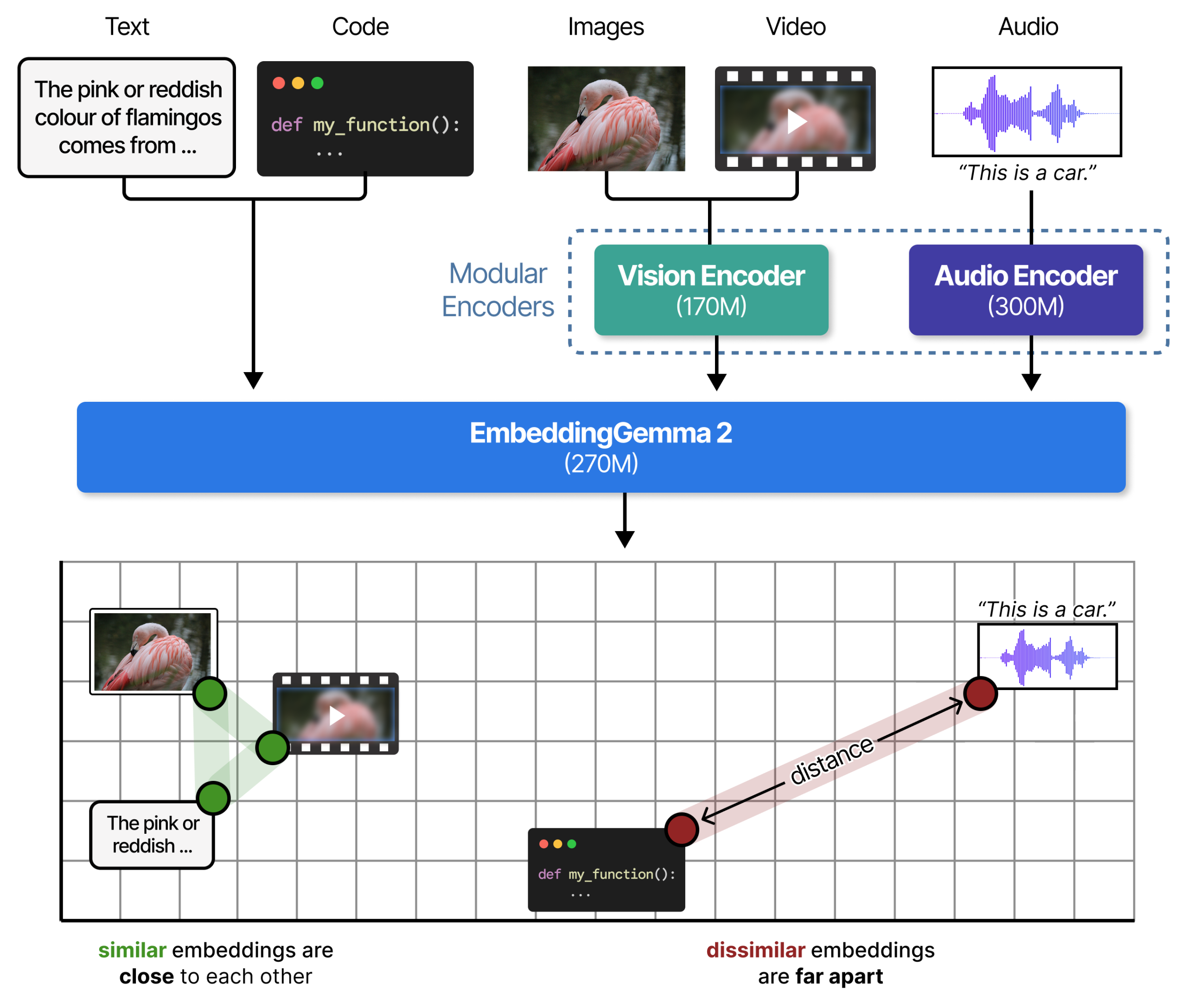
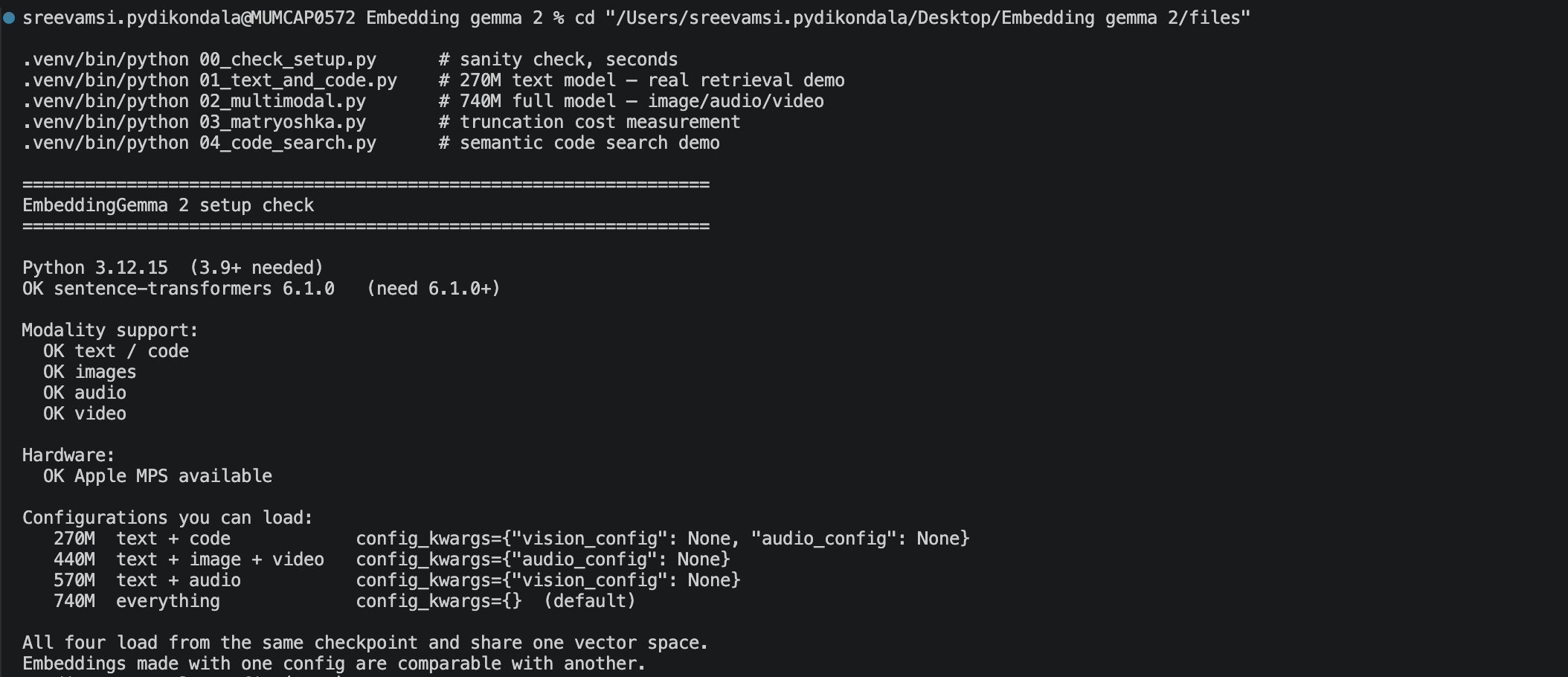
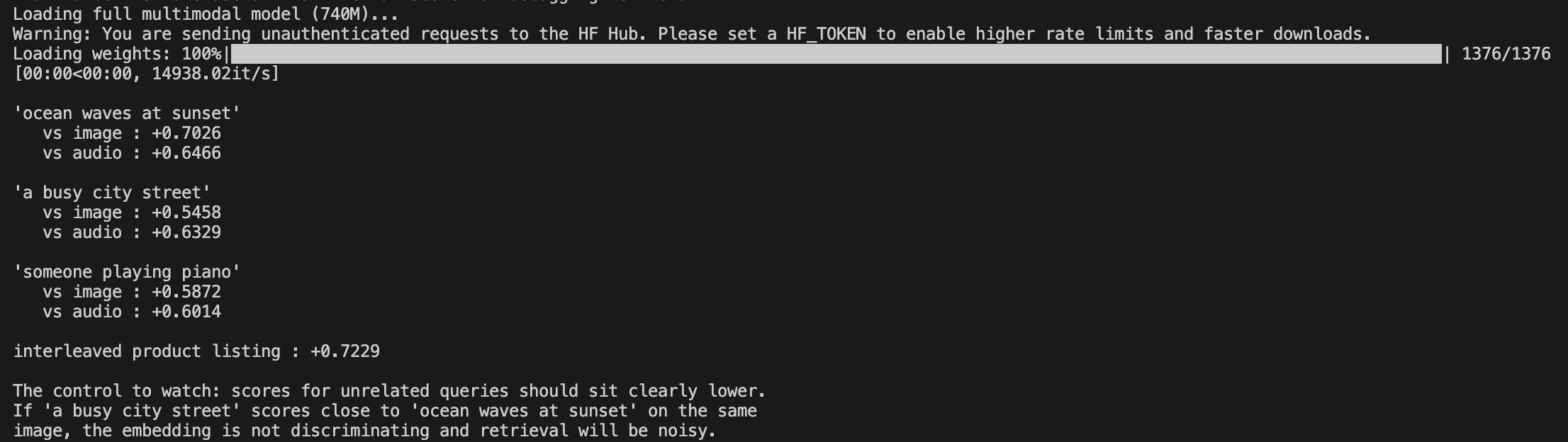
To make these searches work, an embedding model must understand the meaning of content and represent it as numerical vectors that can be compared. Google’s original EmbeddingGemma focused on compact text embeddings. EmbeddingGemma 2 takes this further by bringing text, code, images, video, and audio into one shared embedding space. It also lets developers choose which encoders to load and reduce vector dimensions to save storage.
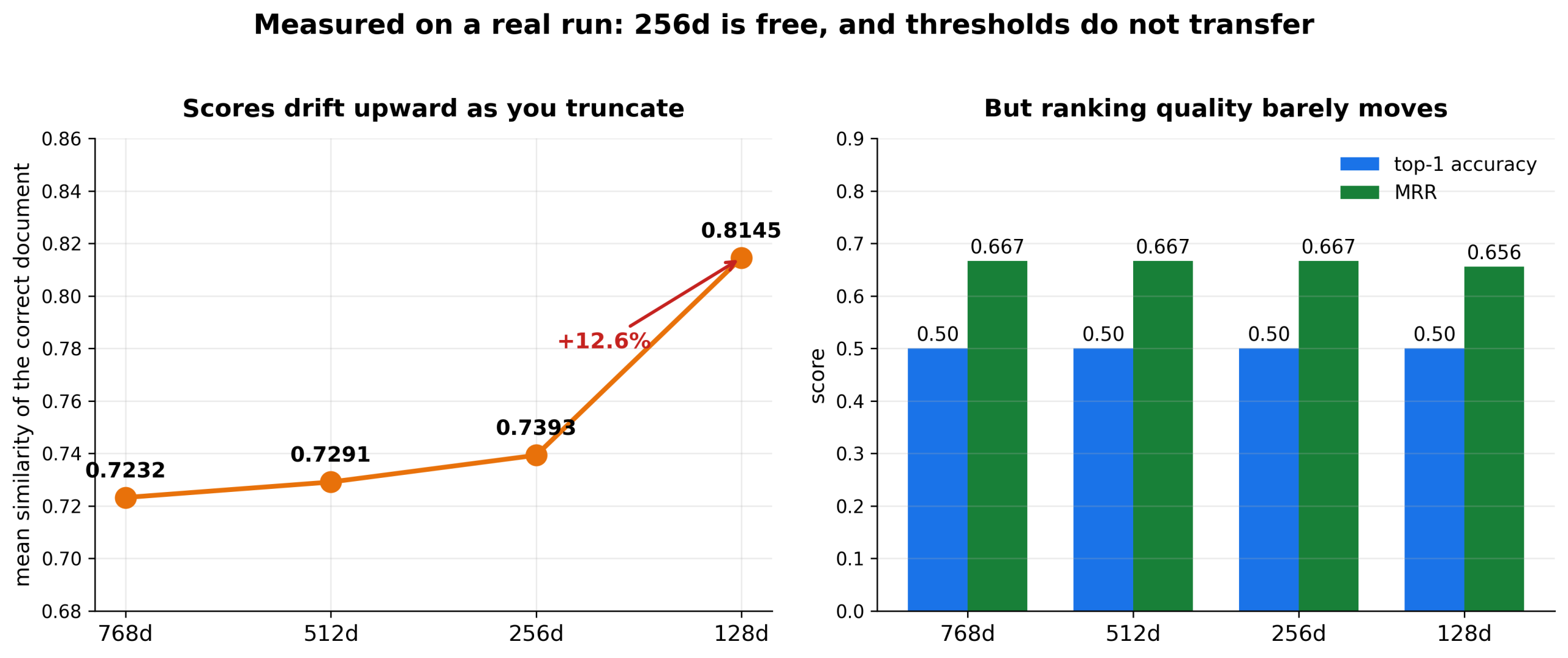
But do these improvements translate into better retrieval and lower storage costs?…