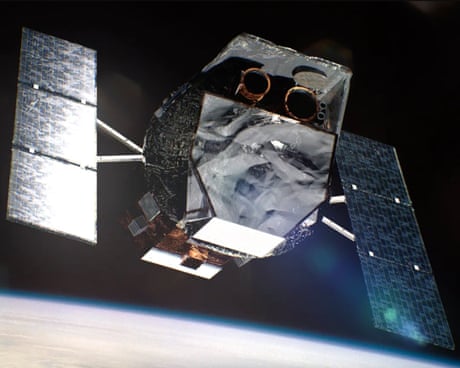
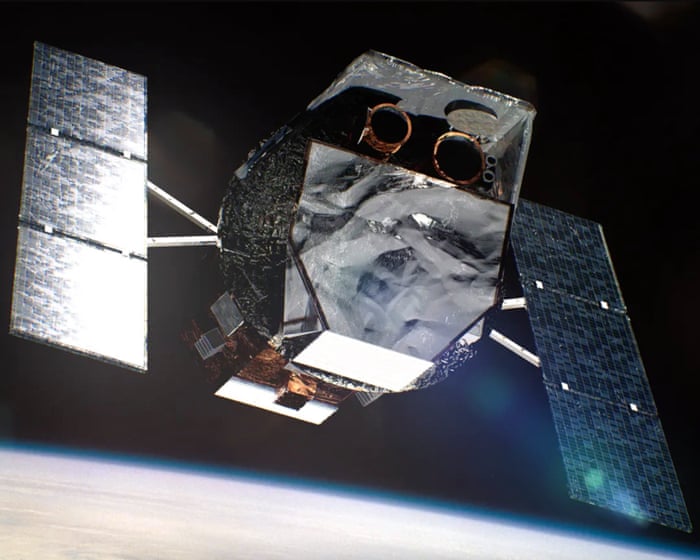
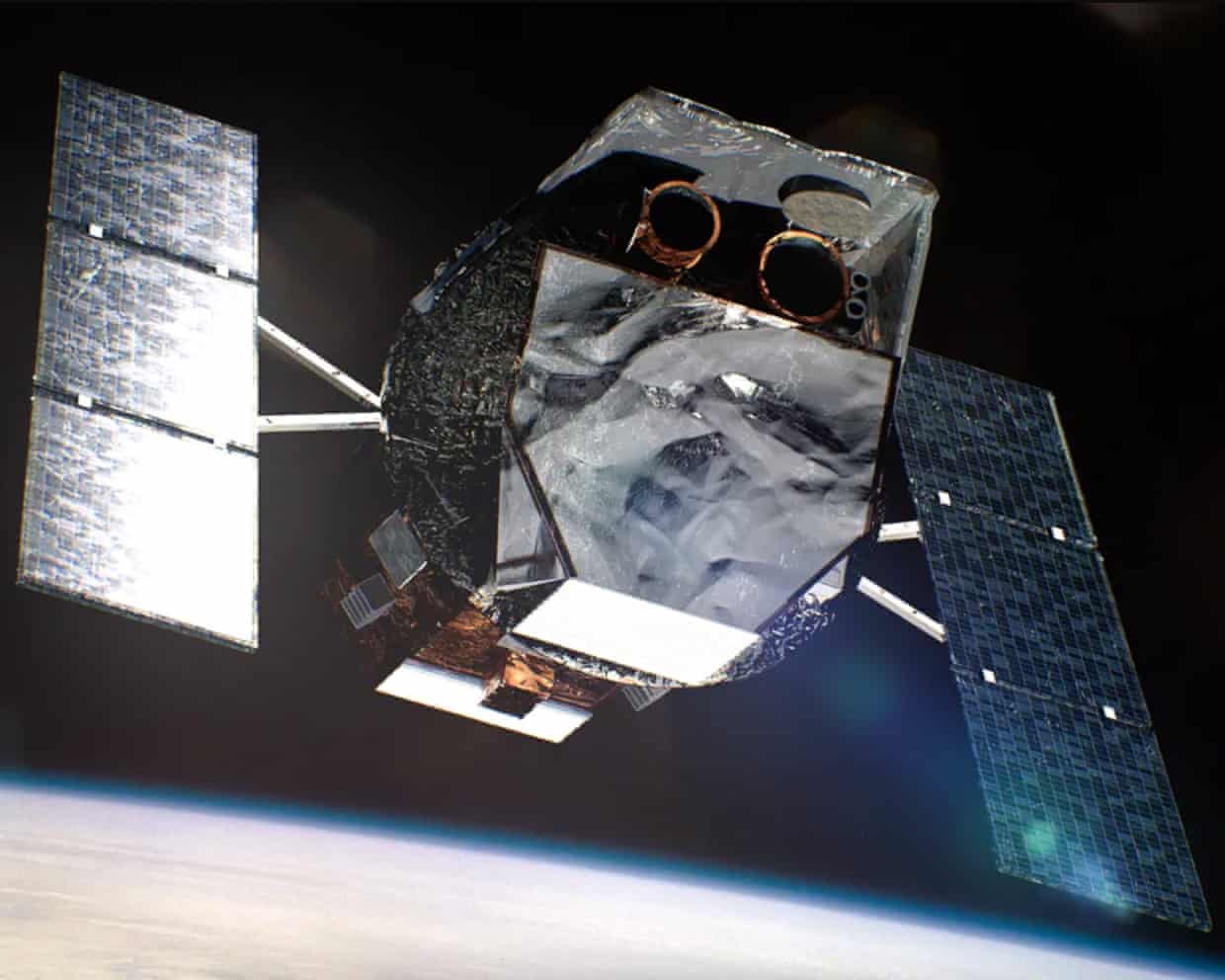
Nasa ’s Neil Gehrels Swift Observatory, which has spent two decades studying the most powerful explosions in the cosmos, is expected to re-enter the Earth’s atmosphere on Wednesday, burning up in the process.
The satellite, which was designed to operate with its three telescopes for just two years, is no longer able to steer or observe, and its re-entry is uncontrolled.
The US Space Force predicts the 3,200lb spacecraft will hit the atmosphere at about 3.30am ET on 4 November. Nasa says most of the spacecraft will burn up, but some components are expected to survive.
“Re-entry locations of any surviving components can vary from hemisphere to hemisphere and depend on when it re-enters,” the agency said in a blogpost, adding that surviving fragments are limited between 20.6 degrees south latitude and 20.6 degrees north latitude.
The agency added: “The risk of harm coming to anyone on Earth is unlikely – approximately 1 in 2,100.…