In A Fine Balance , one of the finest novels about modern India set in the 1960s and 1970s, Rohinton Mistry powerfully conveys a sense of the social meaning of the vote for the Indians at the bottom of the ladder. Narayan, a Dalit tailor, insists on marking his own ballot in an upcoming election instead of allowing an upper-caste landlord’s men to vote on his behalf.
Dukhi, his father, warns him against it. “It is still my right,” Narayan replies. “And I will exercise it in the next election, I promise you.”
Dukhi urges him not to risk his life.
“Life without dignity is worthless,” Narayan replies.
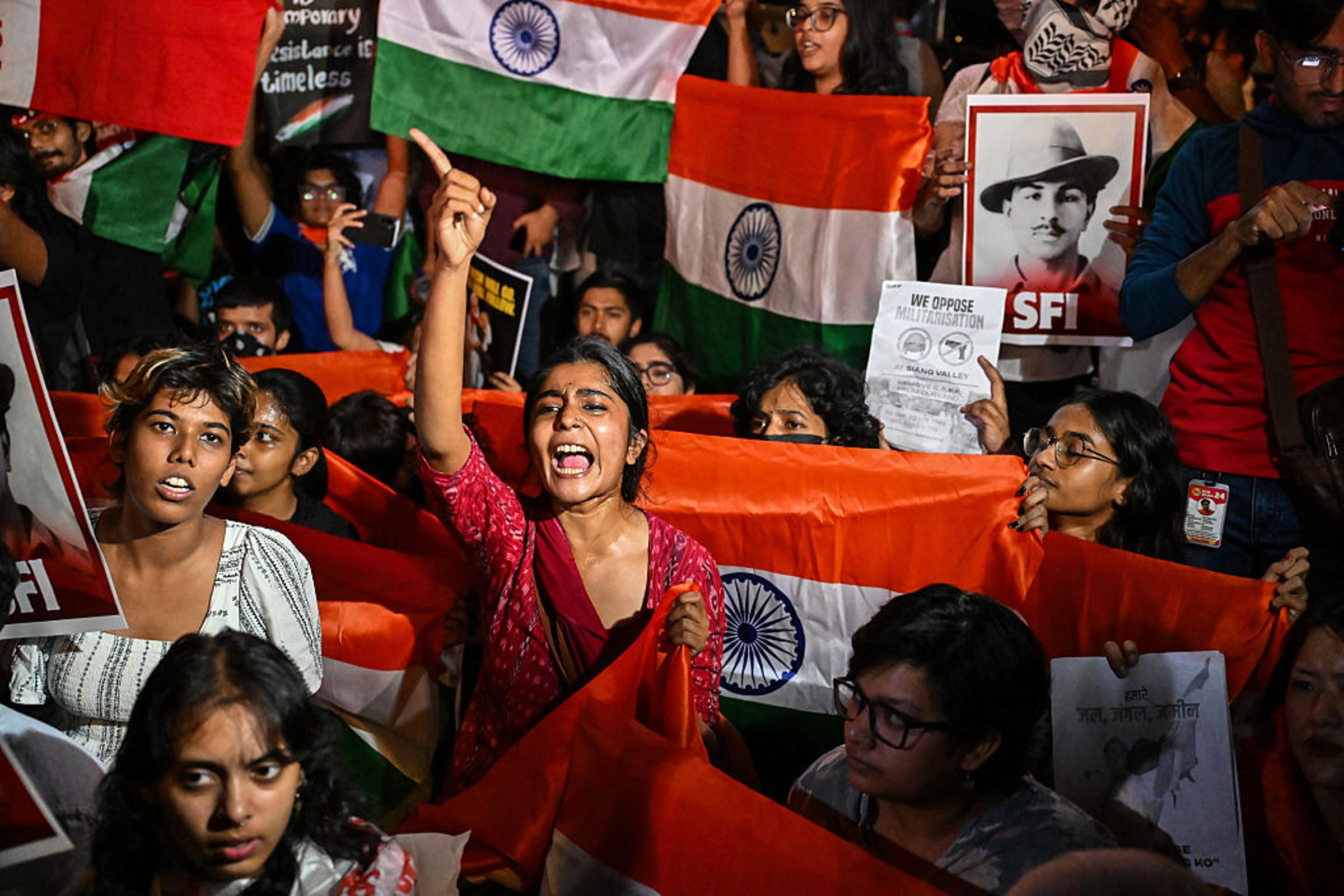
I have been rereading Mistry’s novel over the past few weeks as a series of protests has turned October into a month of fierce battles over the integrity of India’s elections, the accountability of its institutions, the right to protest, and the soul of its democracy.
A nascent Gen-Z movement, Cockroach Janta Party, which organized protests over education and unemployment in Delhi in June and July and forced…