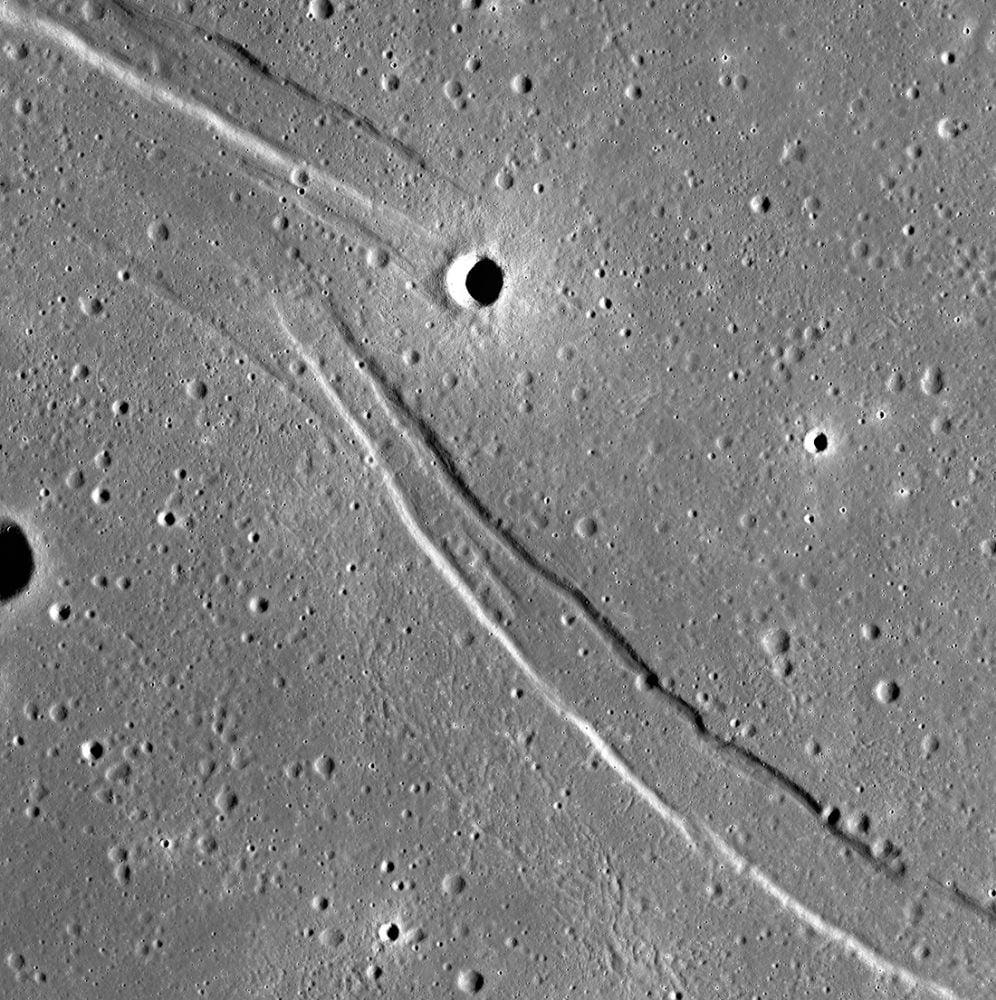
Scientists have known for years that the Moon is shrinking. Surface features called young thrust fault scarps tell the tale. Though each one is small, collectively, they let planetary scientists calculate the rate of shrinkage.
New research in The Planetary Science Journal calculates an updated rate of shrinkage for the Moon. It's titled " Thrust Faulting and the Late-stage Contraction of the Moon ," and the lead author is Thomas Watters. Watters is from the Center for Earth and Planetary Studies at the Smithsonian’s National Air and Space Museum.
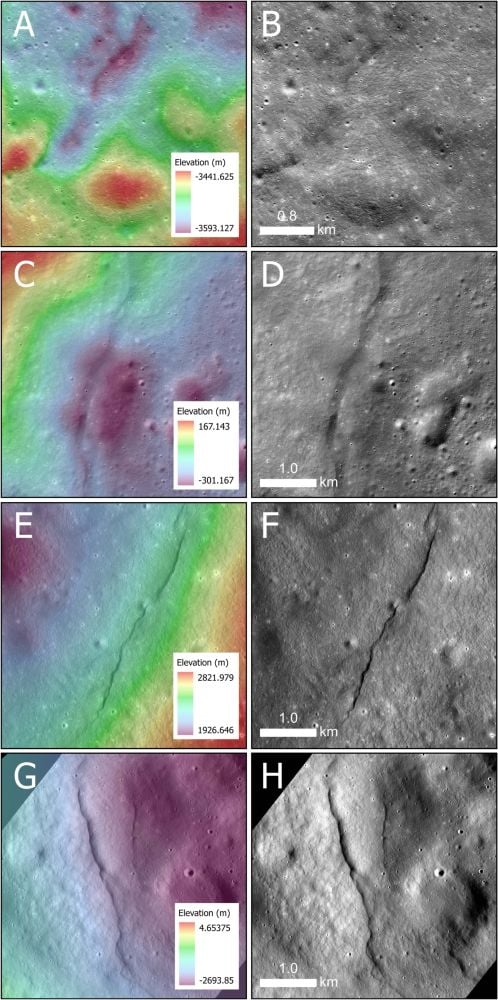
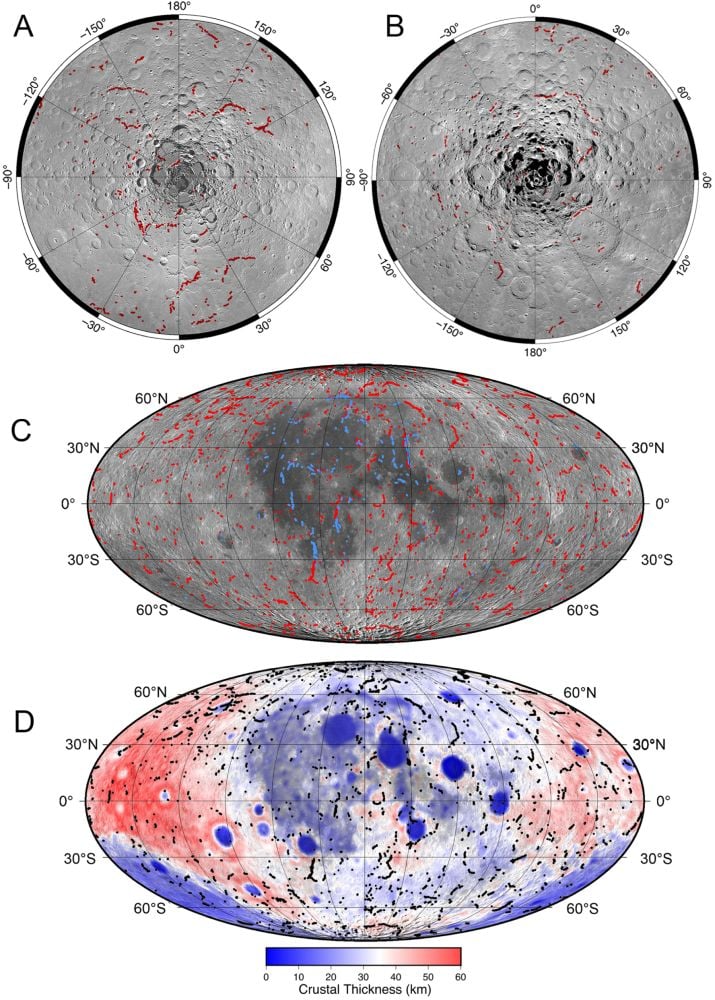
"Lunar Reconnaissance Orbiter Camera images have revealed thousands of young thrust fault scarps in the highlands and mare," Watters and his co-researches write. "These relatively small-scale faults are the expression of a period of late-stage lunar global contraction."
NASA's Lunar Reconnaissance has been observing the Moon for 17 years, and is the longest-running lunar orbiter.…