W hen the UK government launched its “Protect and Survive” public information campaign in 1980 on how to stay alive after a nuclear attack, it was met with a combination of scepticism, disbelief and derision.
The advice included how to build a “fallout room” at home, how to whitewash windows to protect from a blast, and how to store a dead body for up to five days.
You might expect this would have prompted widespread panic, but in fact it led to a political backlash, and was later lampooned on TV and in music.
It shows the risks governments take when launching such campaigns, and the fine balance that must be struck between hammering home a practical message without causing panic – or other unintended reactions.
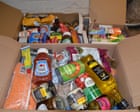
The government’s new Be Ready campaign is advising the public to stock up on three day’s worth of supplies for use during severe weather or cyber-attacks, so help can be directed to the most vulnerable first.
Be Ready document Two-page document advises the public to stock up on three day’s worth…