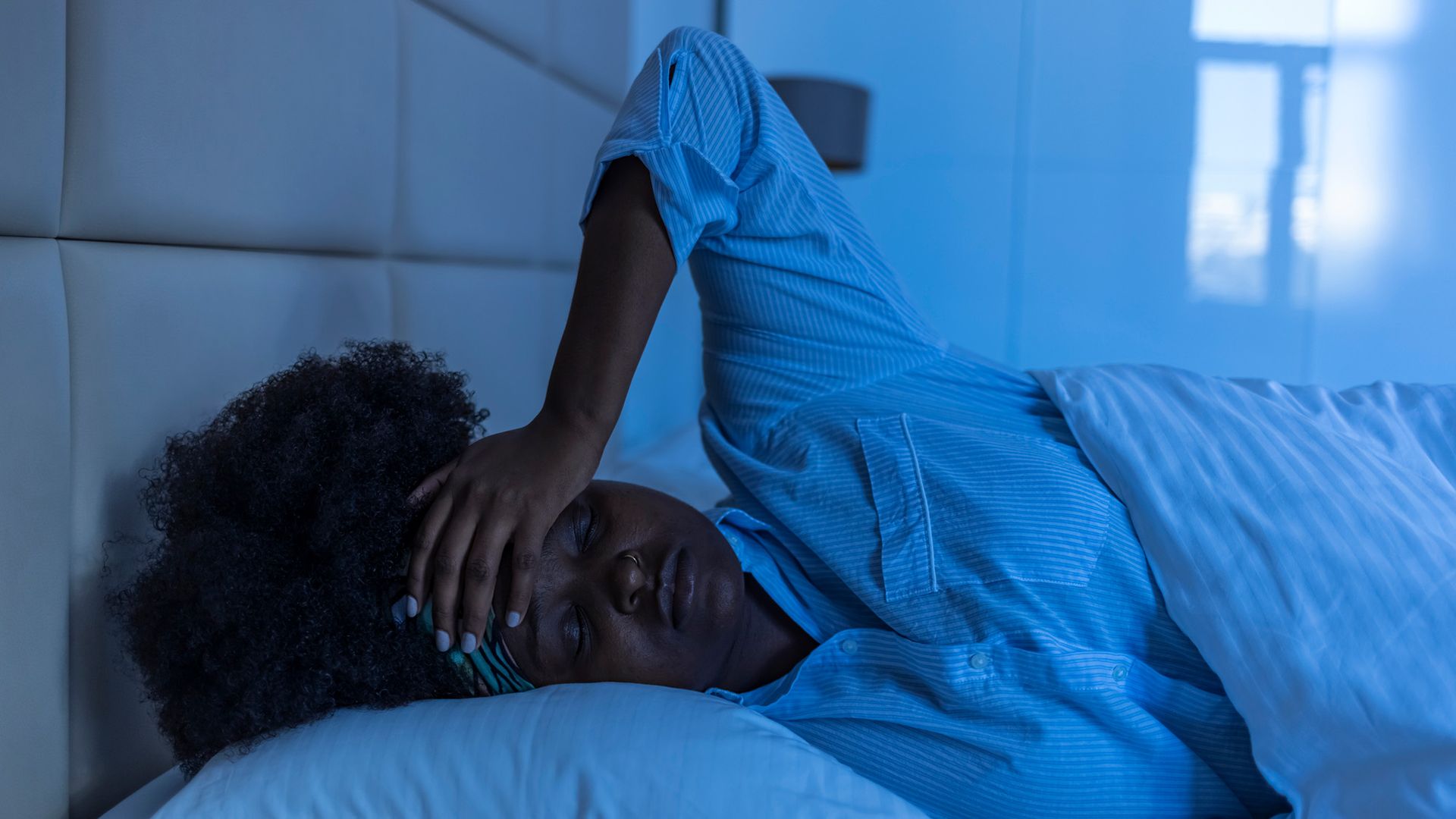
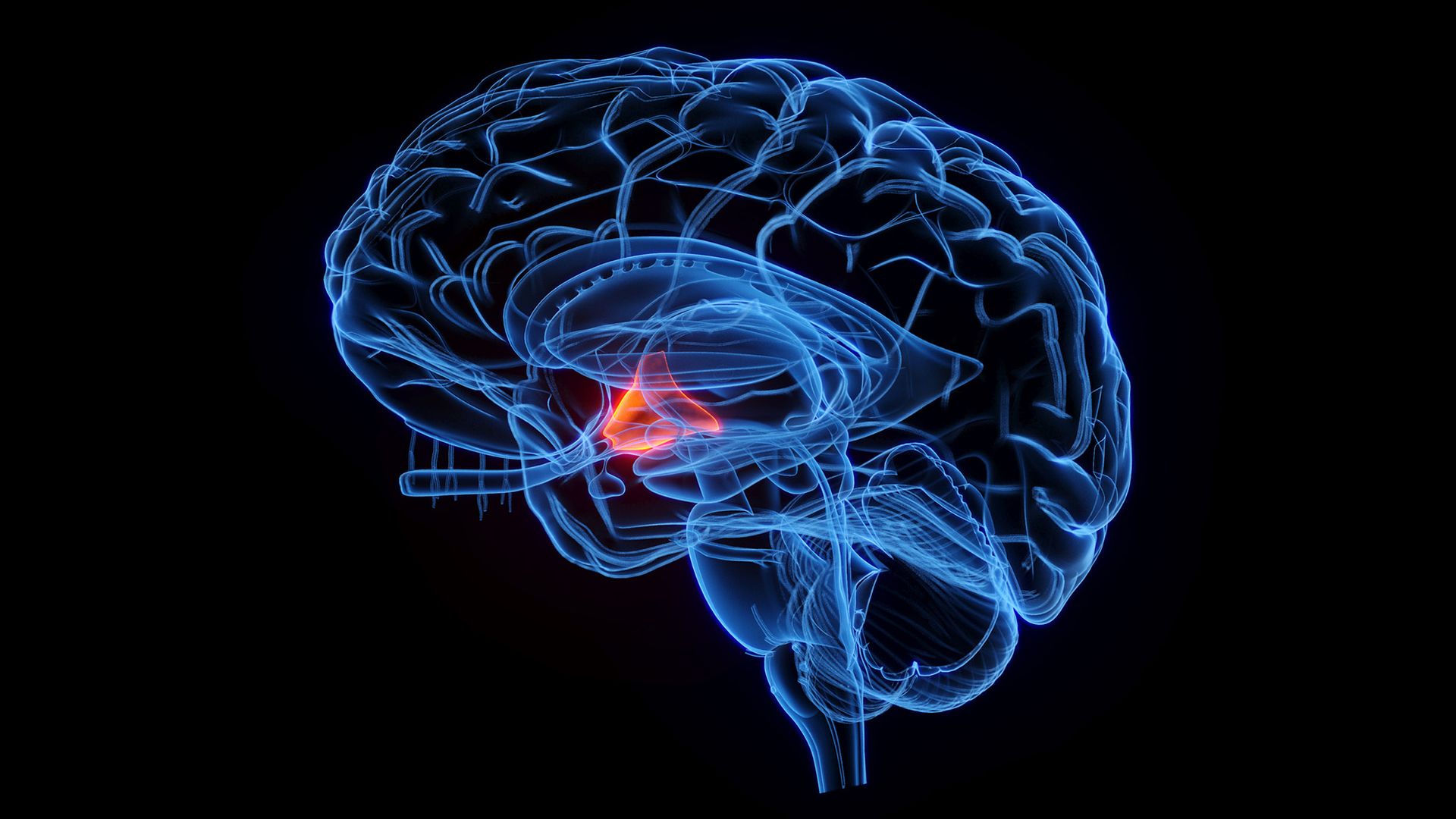
Some people with depression sleep far more than average, wake up exhausted, habitually stay up late, and experience mood shifts with the seasons. A new study suggests that these symptoms may cluster in a distinct subtype of depression that's tied to the body's internal clock.
While research has long linked a scrambled circadian rhythm to a risk of mood disorders, neuroscientists are now proposing that these disruptions define a specific form of depression that they call "circadian depression." First conceptualized in 2021, the body-clock subtype may affect about 1 in 4 people with severe, recurrent or persistent depression, the researchers estimate.
Get the world’s most fascinating discoveries delivered straight to your inbox.