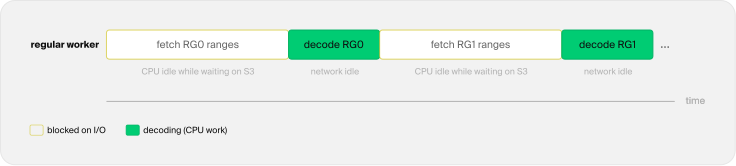
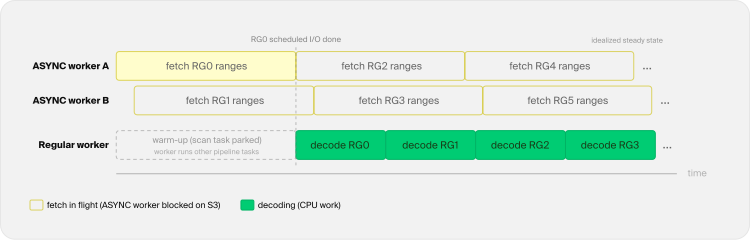
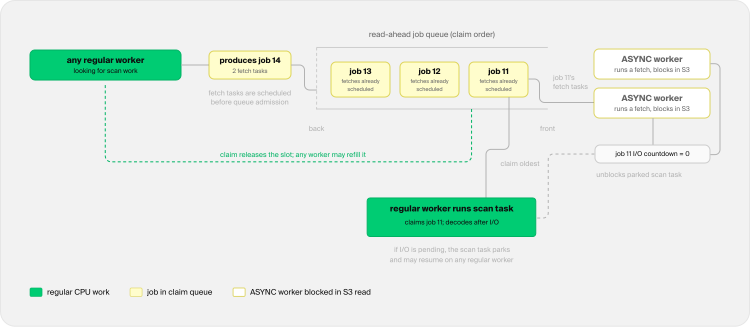
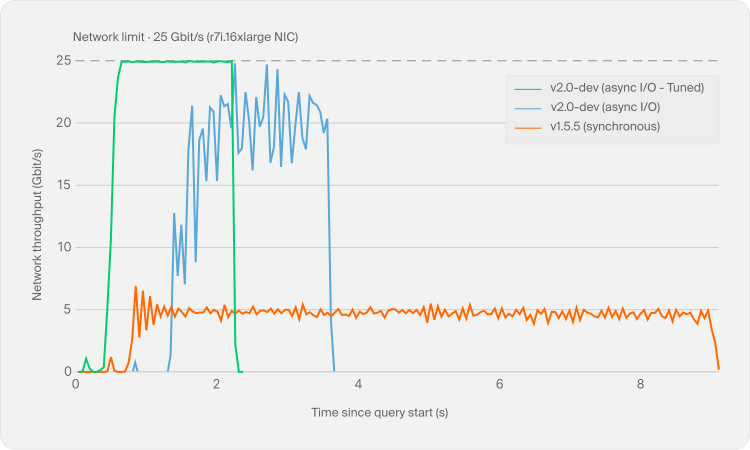
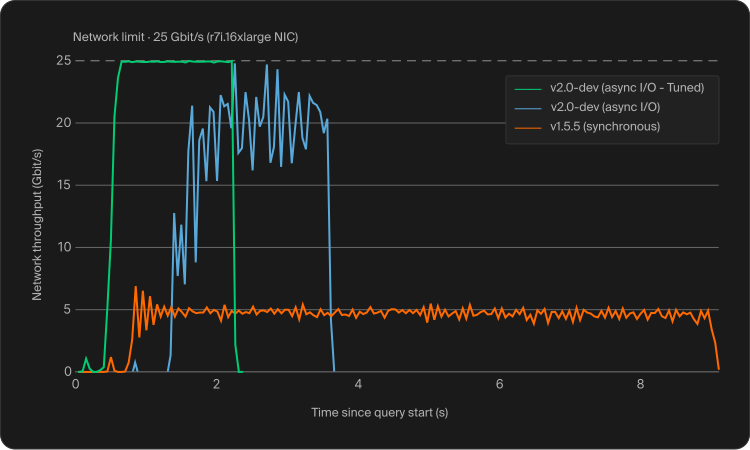
TL;DR: Starting with v2.0, scheduled for fall 2026, DuckDB will support asynchronous reads of Parquet and CSV files. This can significantly speed up queries when synchronous I/O does not saturate the available bandwidth, as is typical in EC2/S3 compute-storage setups.
It doesn't matter how fast query operators are in a database system if we can't pull in the data quickly. For most of DuckDB's history, however, this problem was largely avoided by pruning data early. By pushing down filters and projections, we could ensure that we only read what we actually needed.
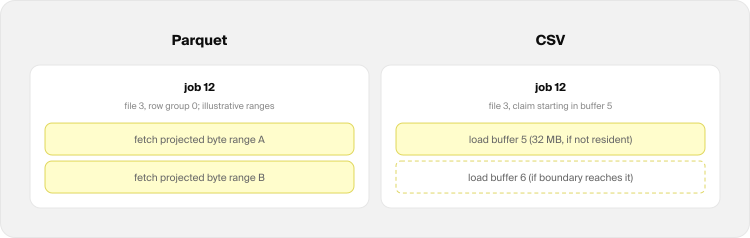
This worked particularly well because DuckDB primarily ran locally, with its main use case being as a quick-draw database engine for querying data directly from your machine's SSD. We could split the data into several partitions, such as row groups for Parquet files or fixed-size buffers for CSV files, and load them with low latency and high bandwidth. As a result, the main bottlenecks were elsewhere: subqueries, joins, aggregations, and so on.…