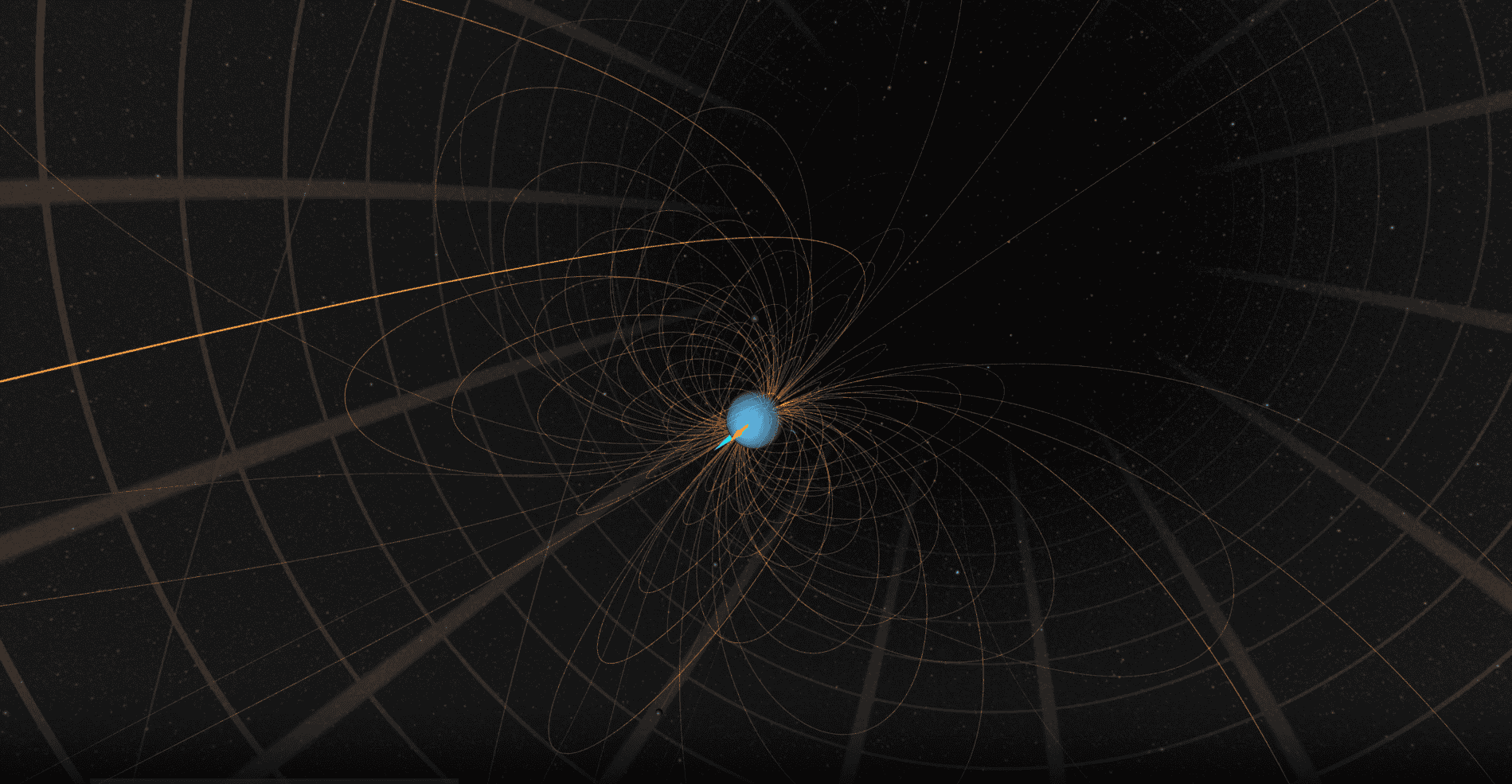
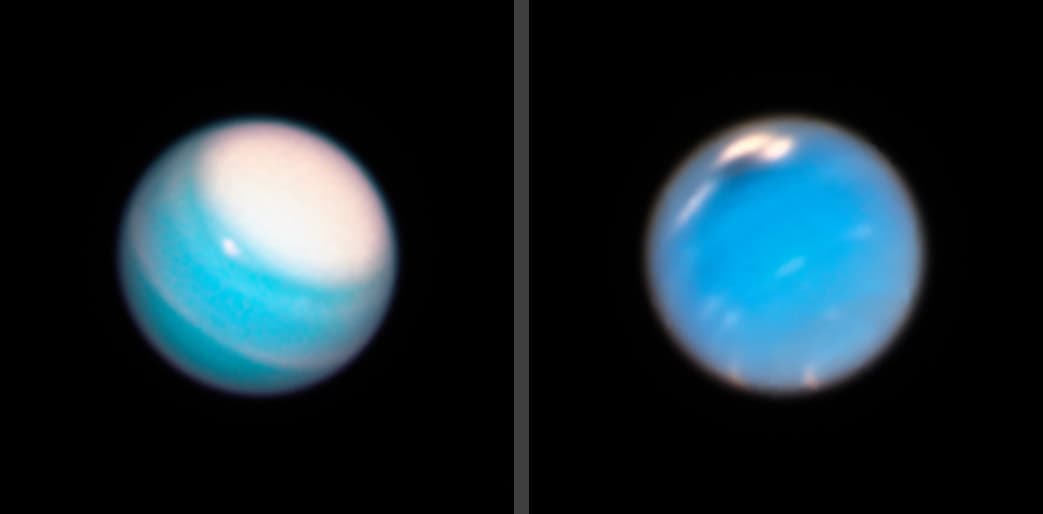
A new phase of solid superionic ice has been created for the first time in the laboratory. By heating a tiny sample of ultrapure water while compressing it to extreme pressures, physicists at the French Alternative Energies and Atomic Energy Commission (CEA) succeeded in forming an ice phase that features a hexagonal close-packed (hcp) structure and liquid-like hydrogen diffusing through a solid lattice of oxygen atoms. This demonstration could help us better understand the structure of ice giant planets such as Uranus and Neptune, which may harbour this form of ice deep within their interiors.
Unlike water’s familiar liquid, vapour and ice phases, superionic ice can only exist when water is subjected to tens or even hundreds of GPa of pressure at temperatures above 1000-2000 K.…