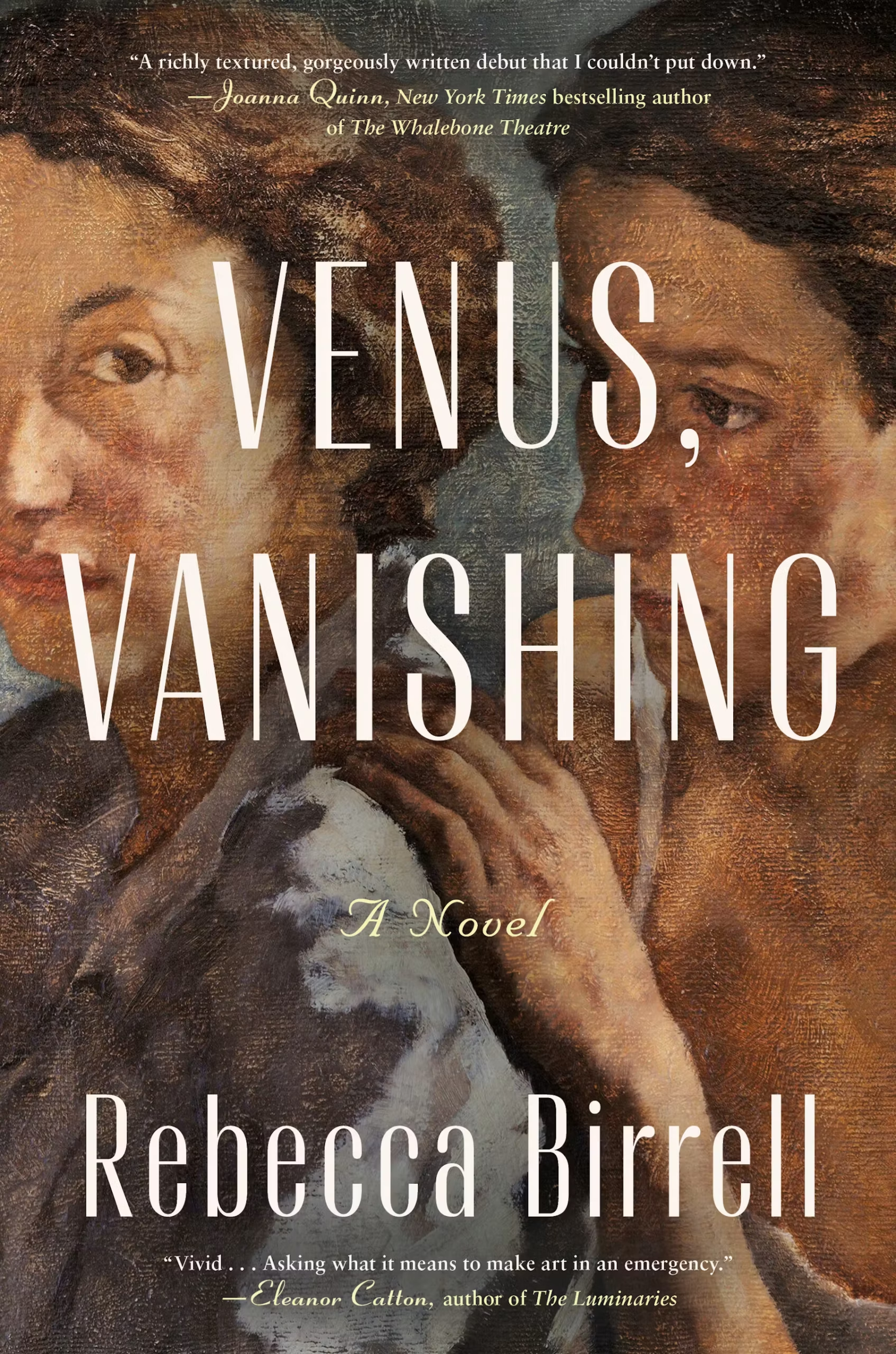
Is it telling that I was always more interested in the amateurs? When I think about the literary depictions of artists I liked best, they tend to share certain qualities: frustrated effort, a willfulness about vocation that verges on delusion, persistence despite the indifference of others and the uncertainty of the rewards.
Article continues after advertisement
The blueprint for this preference is the shy, thwarted Lily Briscoe in Virginia Woolf’s 1927 novel To the Lighthouse . Lily fears the judgement of Mr. Ramsay that would inevitably flow from his looking at her picture, but is also floored with melancholy when she considers how it will most likely (as was a common fate for women artists) be “rolled up and stuffed under a sofa.” Painting for Lily is at once pleasurable, a “dancing rhythmical movement” that Woolf describes in tactile detail and a battle with “an ancient formidable enemy.” Lily’s inner life is consumed by this ambivalence, but it isn’t clear whether she is actually a talented painter,…