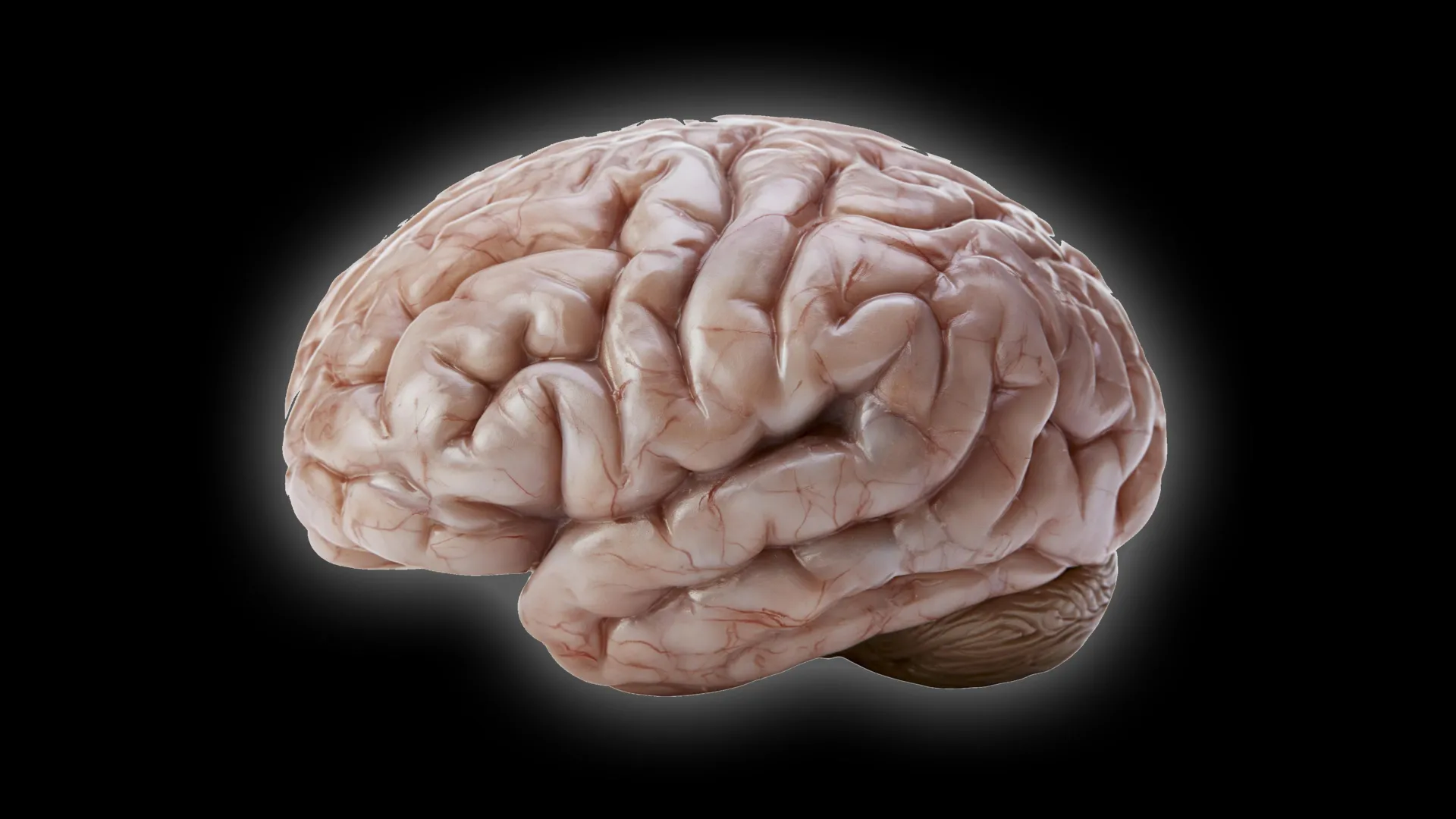
Most primates have relatively large brains covered in distinctive folds and grooves. However, common marmosets ( Callithrix jacchus ) are an unusual exception. These small monkeys have brains that are almost entirely smooth, with very little folding. Scientists at the German Primate Center (DPZ), the Leibniz Institute for Primate Research in Göttingen, have now identified several cellular processes that help explain this difference.
Using miniature brain structures known as organoids, the researchers discovered that certain neural progenitor cells, which produce neurons, develop differently in marmosets than in humans. These differences involve the cells' structure, the speed at which they divide, and the timing of their development. Together, these changes reduce the number of neurons produced, contributing to the smaller size and smoother surface of the marmoset brain.…