India is preparing to count its population again after a 16-year gap. The country’s first census took place in 1871, emerging from the aftermath of the Revolt of 1857, when the British colonial administration increasingly turned to statistics, ethnography, and linguistic surveys to make sense of a population it believed it had failed to understand.
Counting alone was not enough. People also had to be categorised by caste, tribe, religion, and language, turning enumeration into an instrument of imperial governance.
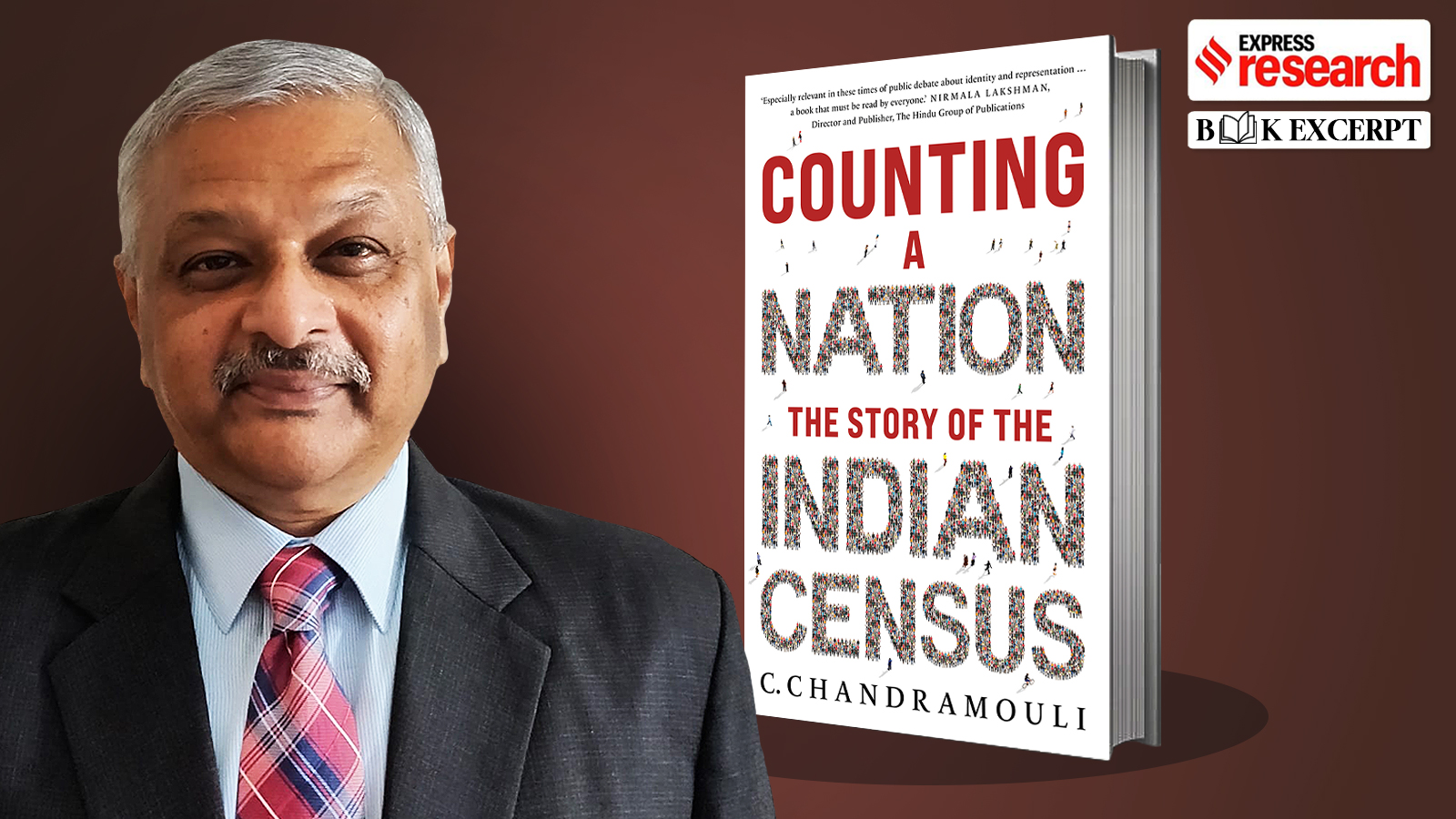
In his new book, Counting the Nation: The Story of the Indian Census, C Chandramouli, former Registrar General and Census Commissioner of India, traces the intellectual foundations of this exercise through the work of colonial-era administrators, linguists and Orientalist scholars.
In this excerpt, he examines how figures such as Edward Tuite Dalton, Max Müller, and George Grierson helped construct frameworks for understanding India’s social, cultural and linguistic diversity, shaping the…