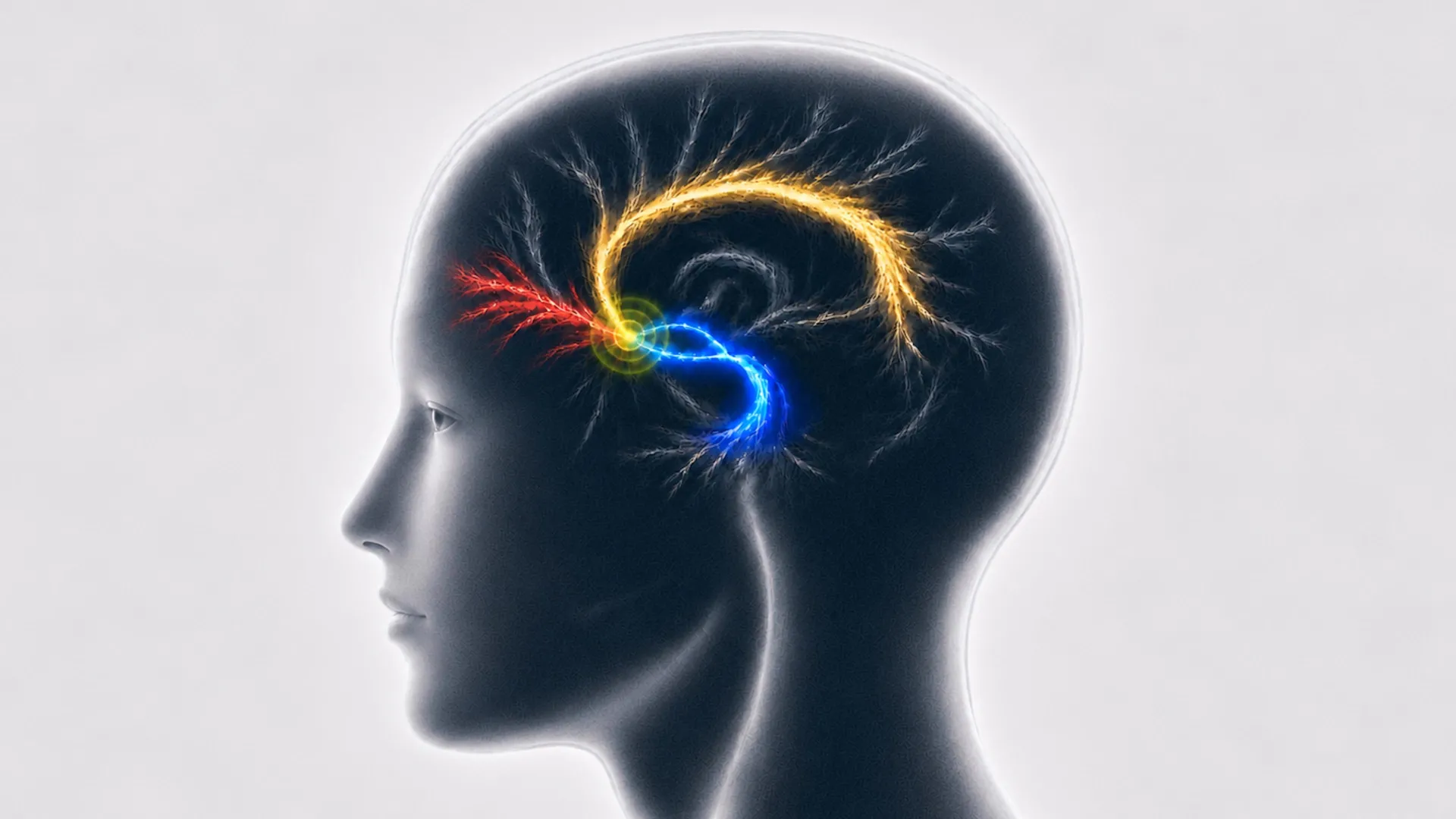
Scientists at Mount Sinai have identified three important brain connections associated with long-term improvement in patients receiving deep brain stimulation (DBS) for severe depression that has not responded to conventional treatments. The discovery could help researchers make this experimental therapy more precise and effective.
Published October 1 in the American Journal of Psychiatry , the research examined the largest group of patients assembled across multiple independent cohorts to date who had received subcallosal cingulate deep brain stimulation (SCC DBS) for treatment-resistant depression.
The researchers found that lasting improvements were consistently associated with electrical stimulation reaching three specific white matter pathways: the cingulum bundle, forceps minor, and medial uncinate fasciculus/ventral amygdalofugal pathways.
These findings strengthen the case for using detailed maps of the brain's connections to determine exactly where electrodes should be implanted, rather than…