Scientists discovered that the thick, sticky fluid surrounding glioblastoma tumors can make brain cancer cells smaller, more flexible, and better at invading surrounding tissue.…
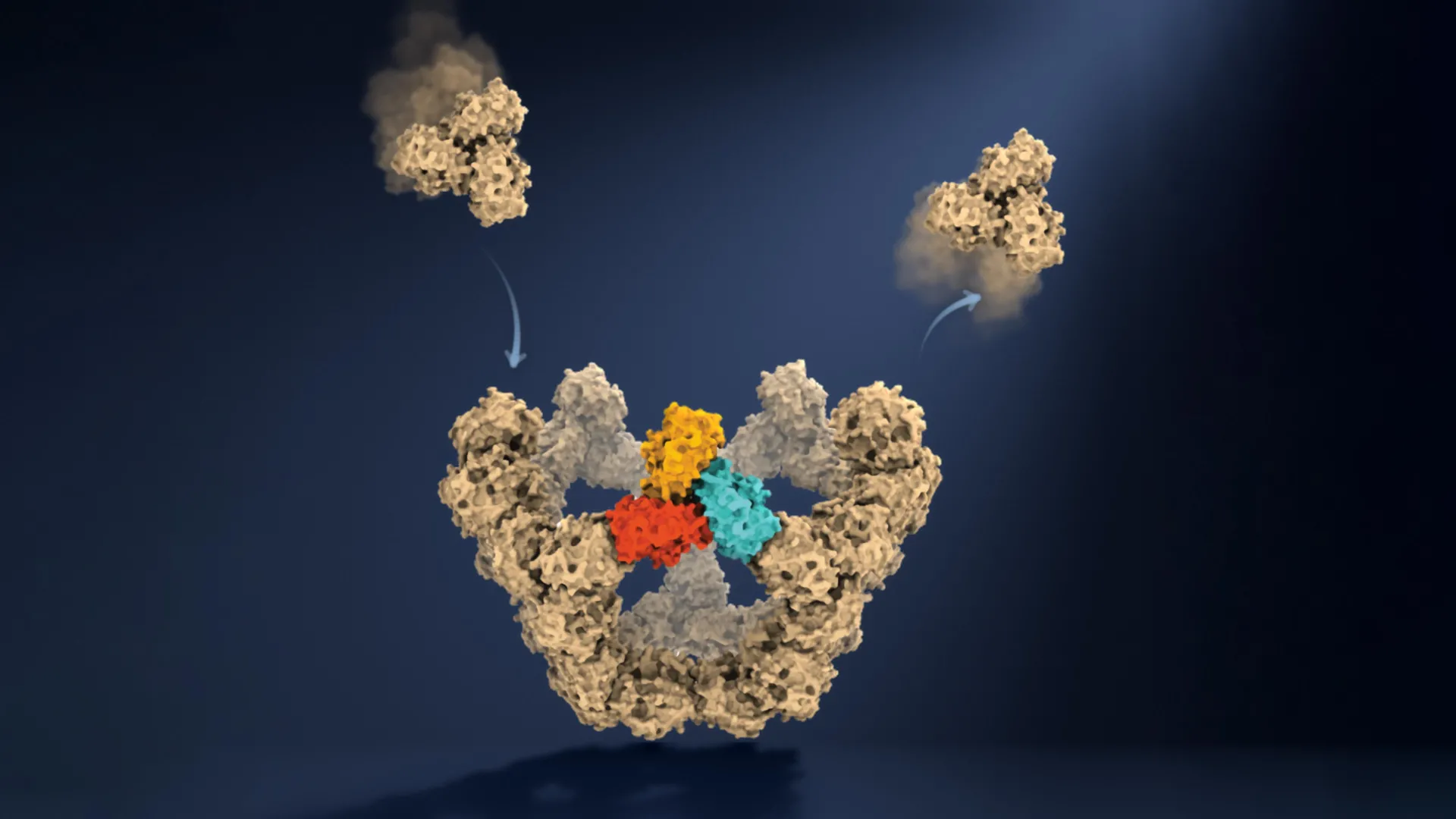
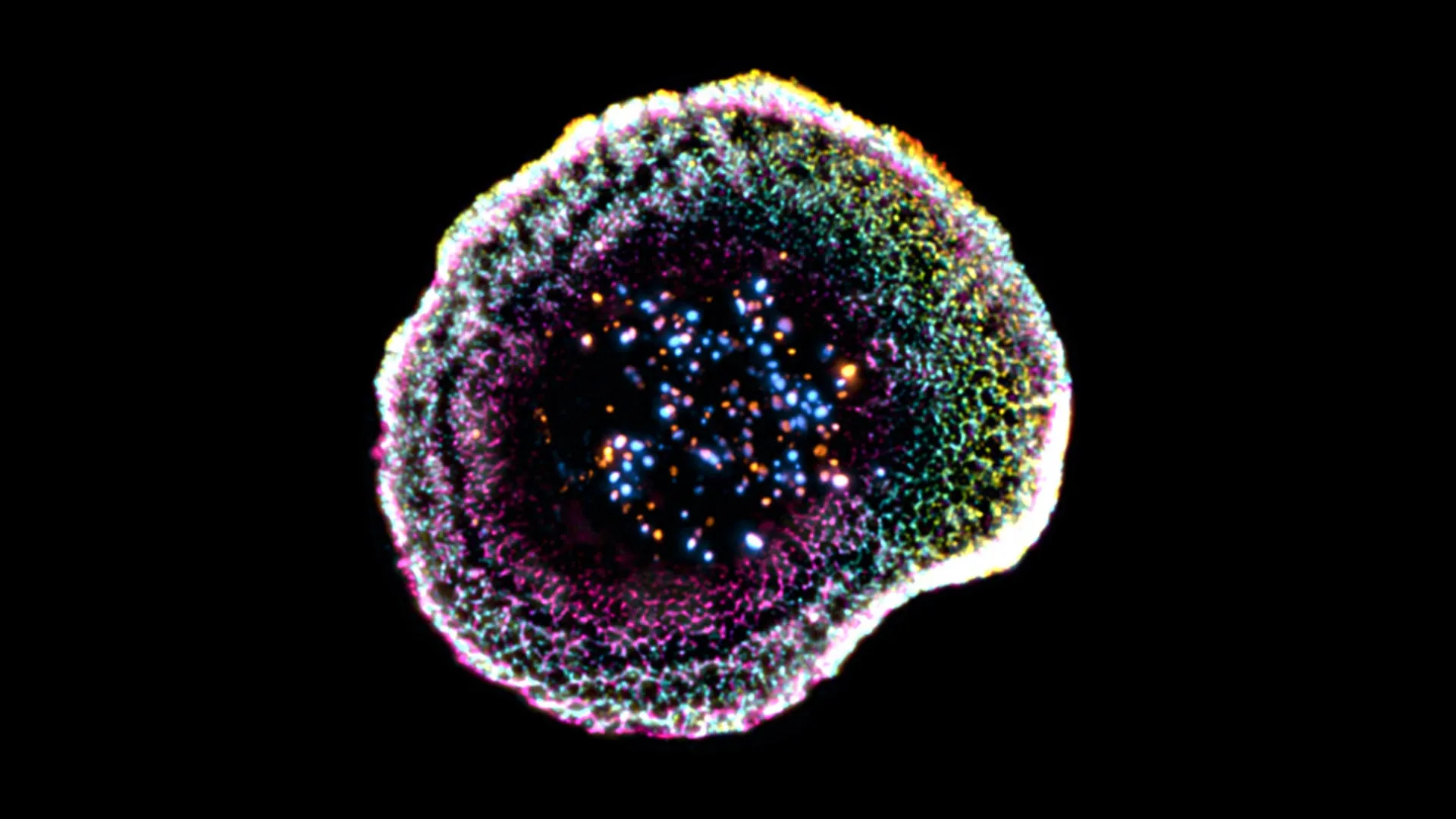
Scientists have captured virus-like particles assembling themselves step by step, revealing how a surprisingly simple process of trial and error produces complex structures with remarkable precision.…
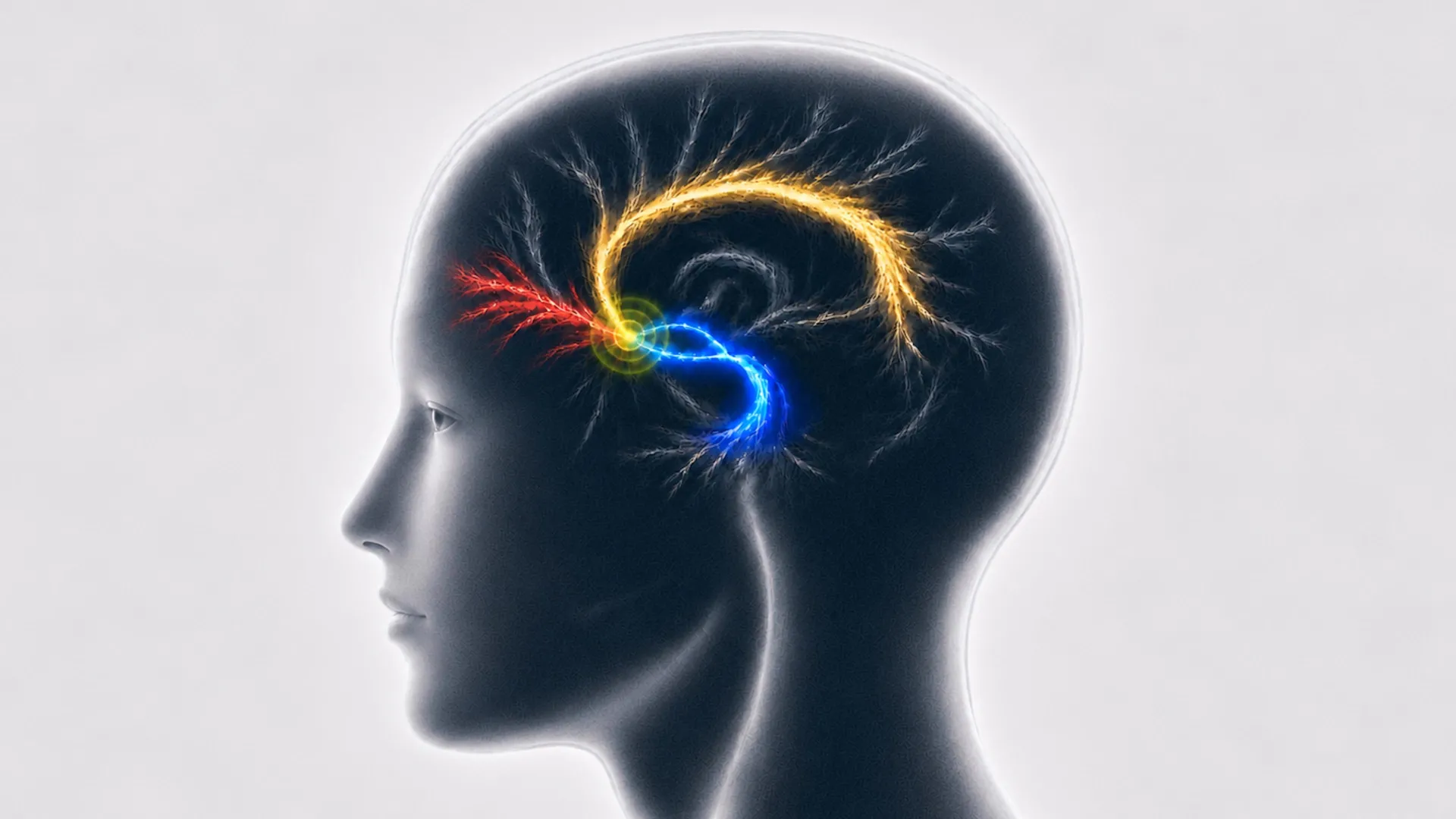
Researchers have uncovered three brain pathways linked to lasting improvements in people receiving deep brain stimulation for severe, treatment-resistant depression.…
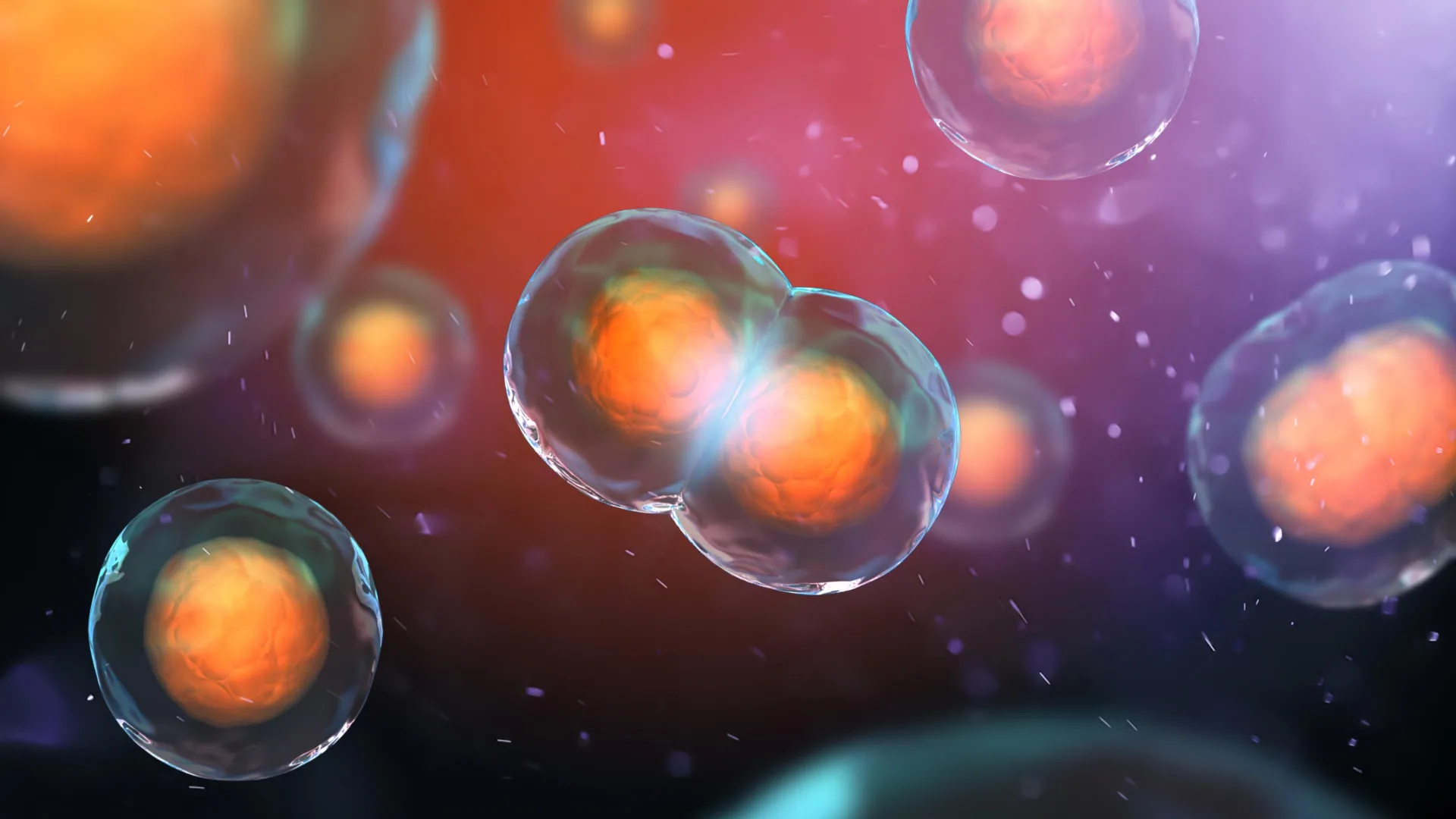
Scientists have uncovered a surprising twist in how cells behave when division goes wrong. Sometimes a cell successfully copies its DNA but fails to split into two, leaving it with double the genetic material — a mistake linked to aging, cancer, and other…
Scientists in Sweden have taken a major step toward a potential cure for type 1 diabetes by developing a more reliable way to create insulin-producing cells from human stem cells.…
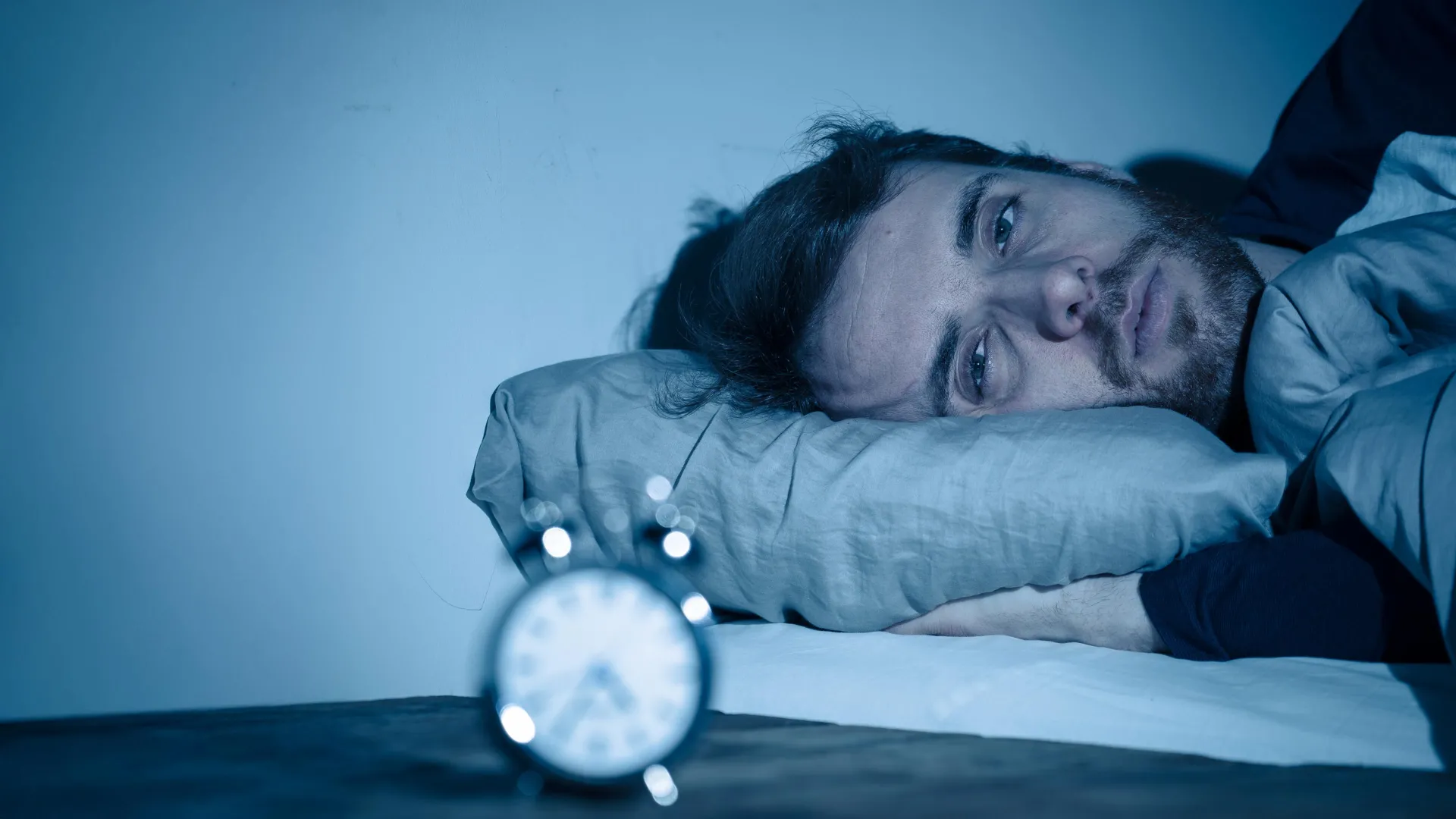
A chaotic sleep schedule in your 40s might be quietly setting the stage for heart trouble later. Researchers tracking thousands of people for over a decade found that those with highly inconsistent bedtimes—especially when they slept less than eight…
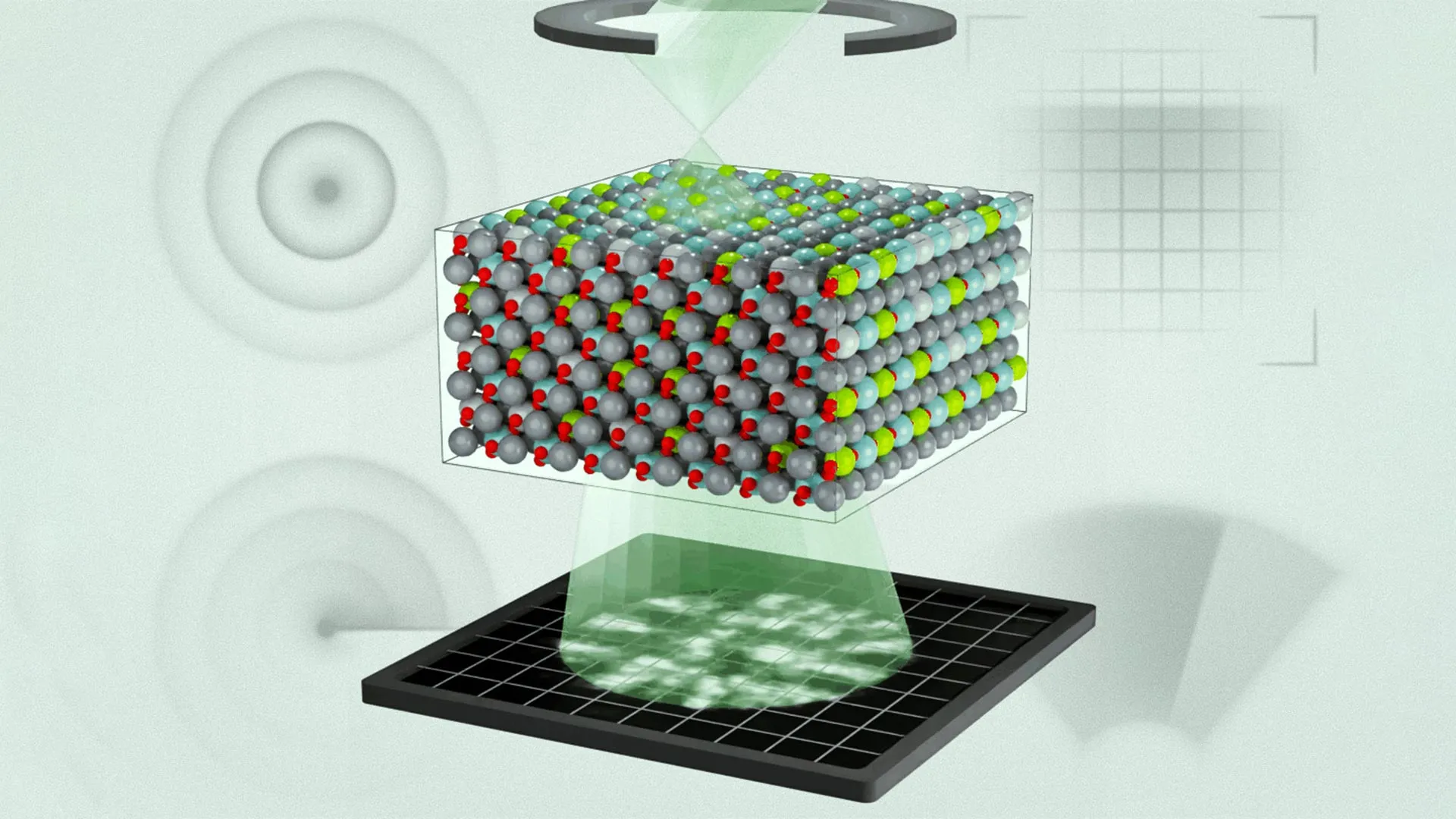
For decades, relaxor ferroelectrics have powered everything from medical ultrasounds to sonar systems, yet their inner atomic structure remained a mystery—until now.…
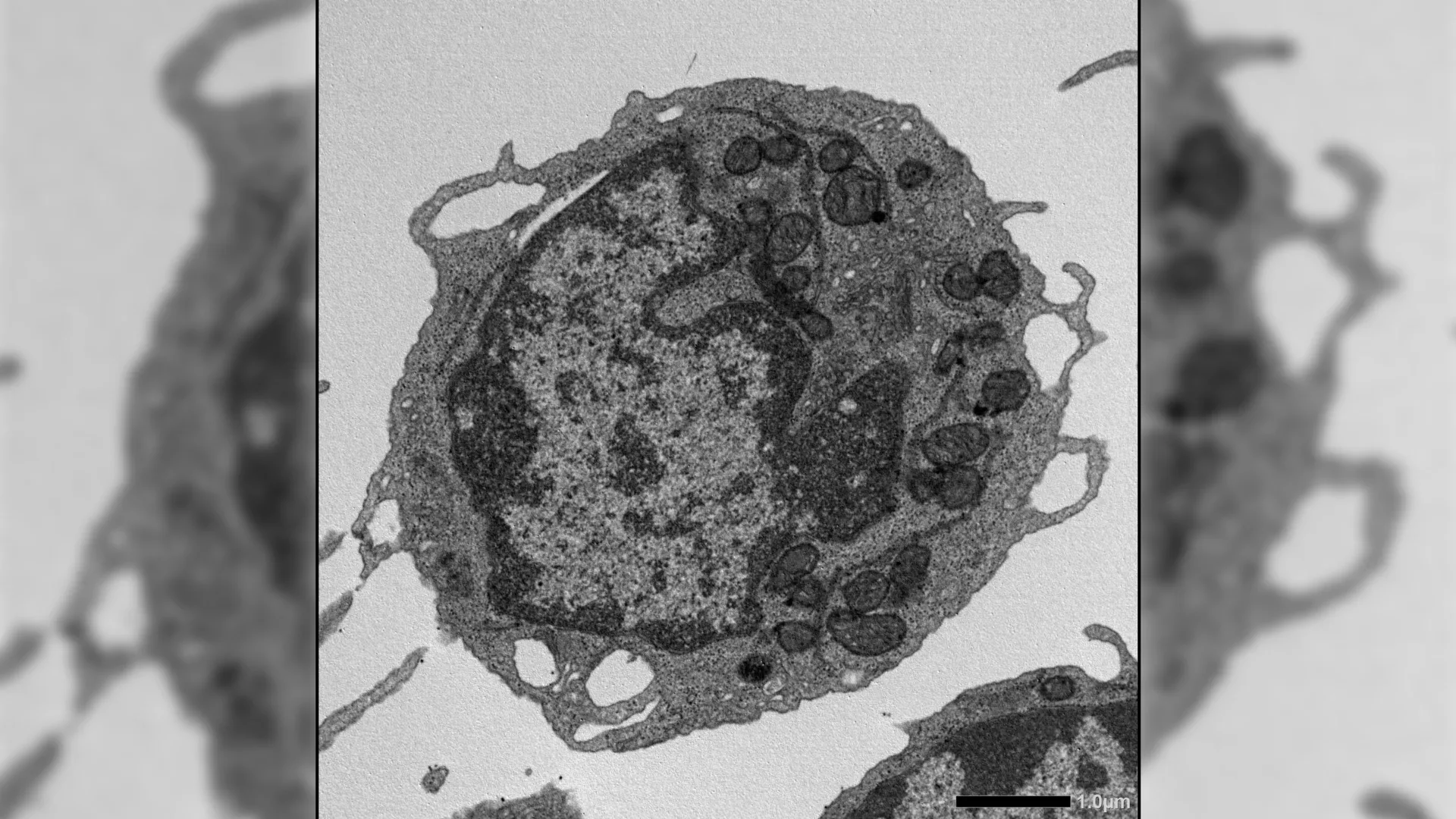
The body’s “killer” T cells don’t just attack—they strike with astonishing precision, forming a tiny, highly organized contact zone that lets them destroy dangerous cells without harming their neighbors.…
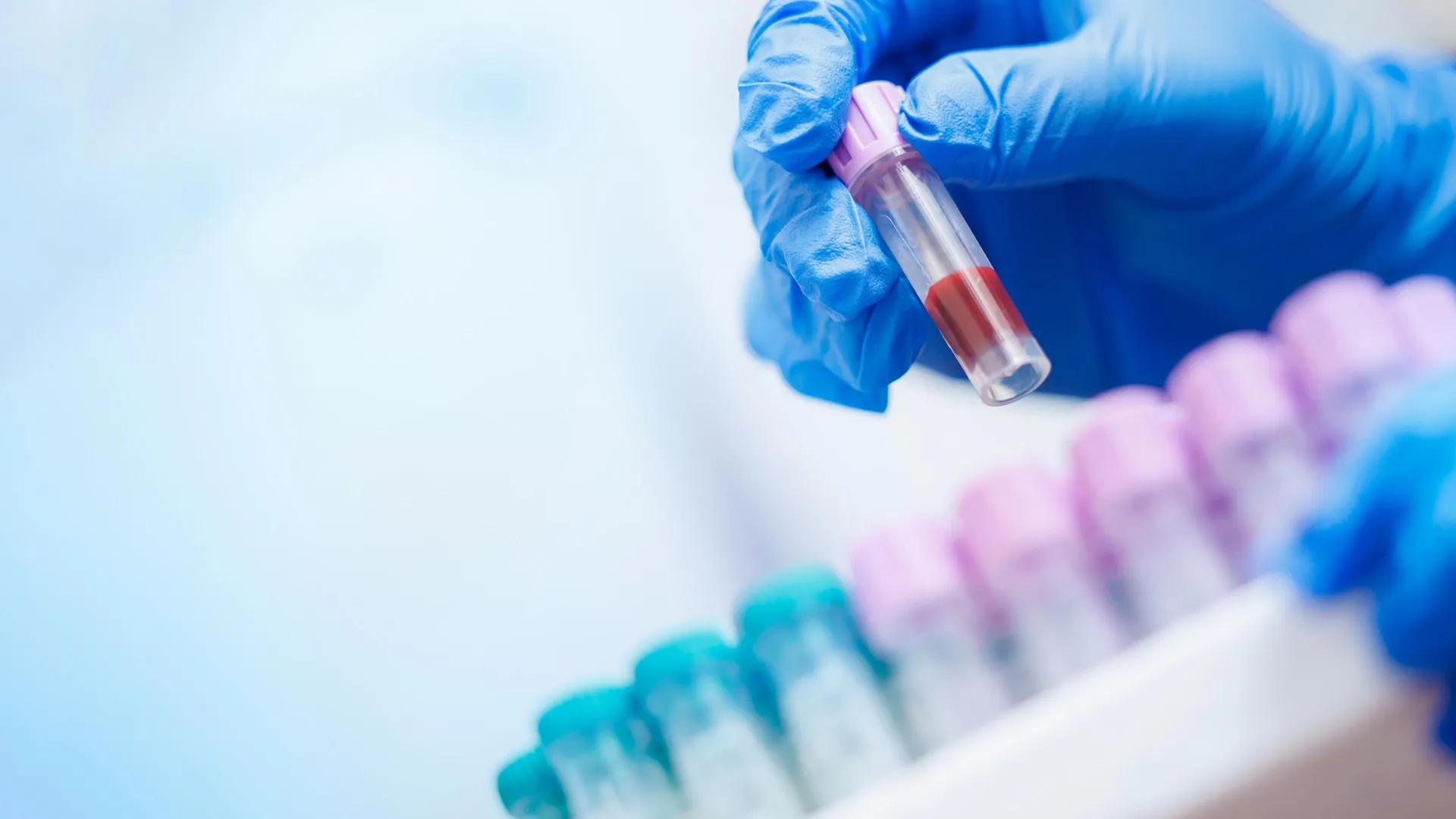
A routine blood marker tied to inflammation may reveal Alzheimer’s risk years in advance. Scientists found that higher neutrophil levels—part of the body’s first immune response—were linked to a greater chance of developing dementia.…
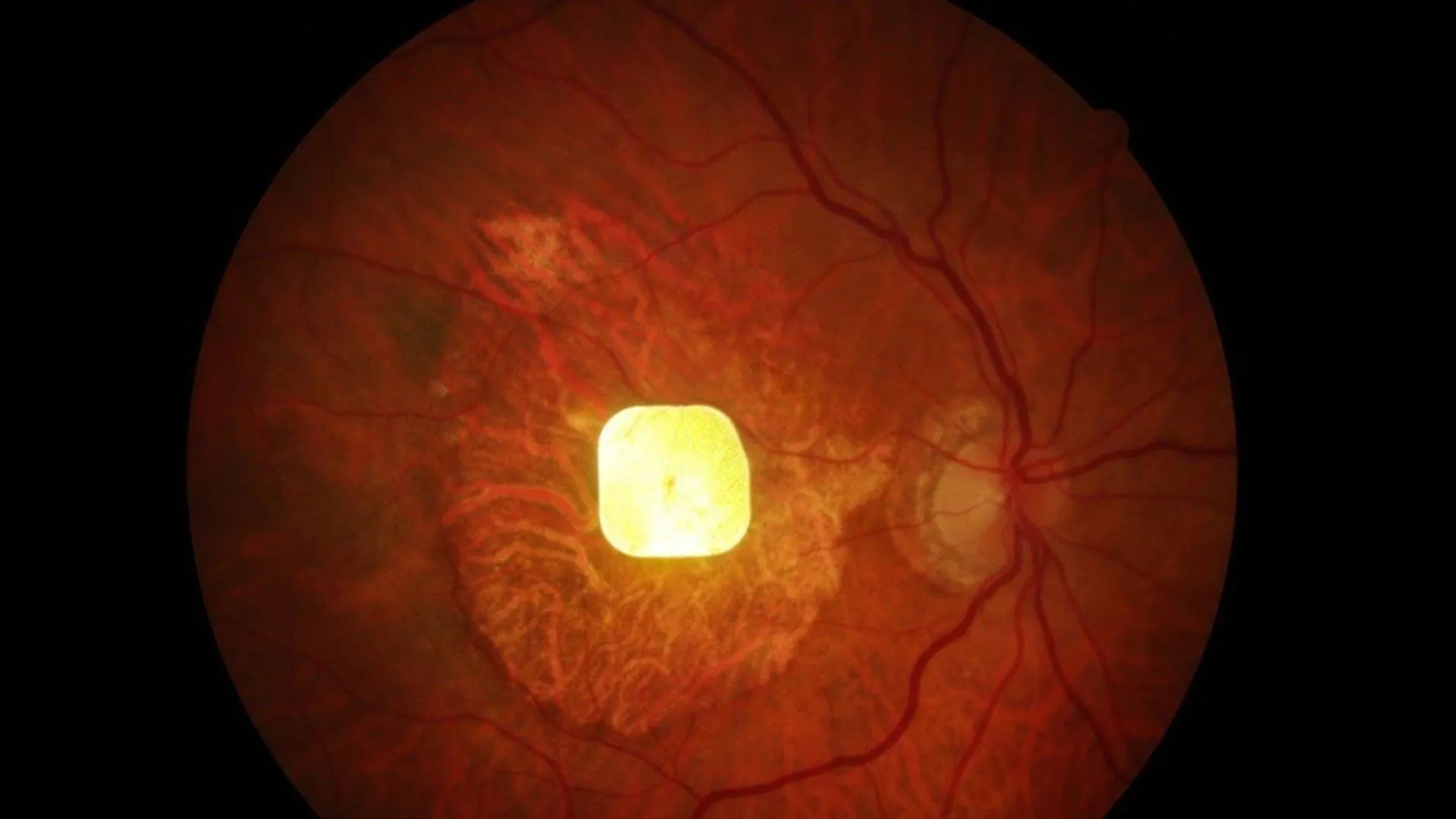
A tiny wireless implant is giving new hope to people blinded by advanced age-related macular degeneration. In a major international clinical trial, more than 80% of participants regained meaningful central vision, with many able to read letters and even…