Scientists have developed an AI-powered approach that makes experimental bionic vision technology more precise, helping predict the flashes and shapes of light perceived by a blind man with a brain implant.…
A major study of nearly 1,900 older adults suggests that stopping statins after age 70 may be relatively safe in the short term for people who have never experienced a heart attack or stroke.…
A new study found that energy drinks and stimulant supplements were linked to disproportionately frequent reports of serious heart problems, including 11 times more reports of cardiac arrest and 4.5 times more reports of heart attacks.…
Scientists have discovered that a buildup of a protein called Miro1 may be a hidden driver of insulin resistance in Type 2 diabetes, with preclinical experiments showing that removing it restores the muscles’ response to insulin.…
A study of nearly 5,800 adults found that heart scans measuring calcium buildup in the arteries led to the same observed rate of major cardiovascular events as traditional risk assessments, despite recommending statins to far fewer patients.…
Stanford researchers have discovered an AI-identified natural molecule that dramatically suppresses appetite and promotes fat loss in animals, potentially offering an Ozempic-like weight-loss treatment without common digestive side effects or significant…
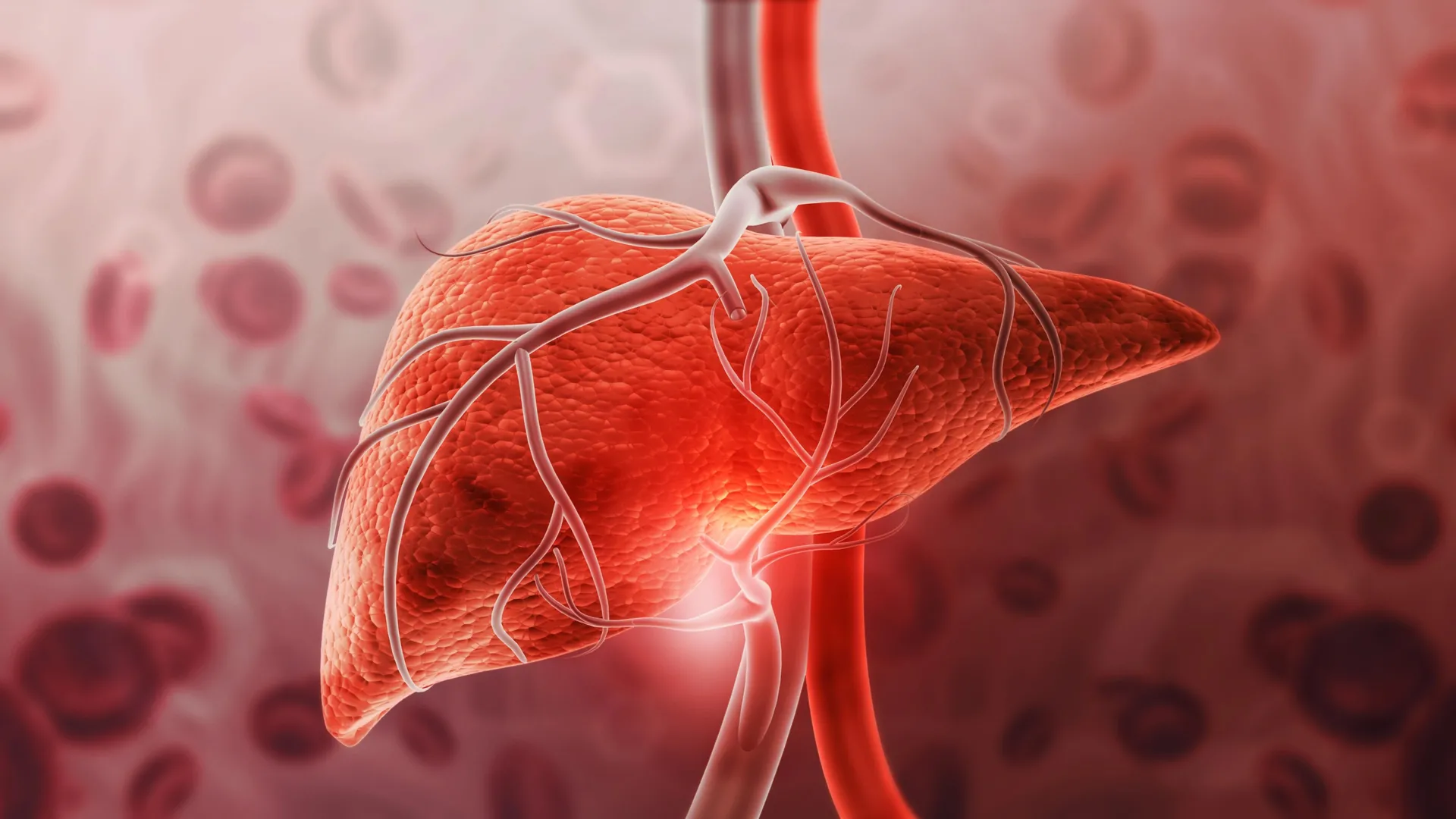
A surprising discovery suggests that rejuvenating the liver could help protect against Alzheimer’s disease and heart disease. USC researchers found that an experimental drug restored aging liver cells in rats, cutting levels of an Alzheimer’s-linked…
A major new study challenges the idea that moderate drinking is safe, finding that even relatively small amounts of alcohol increase the risk of cancer, heart disease, and premature death.…
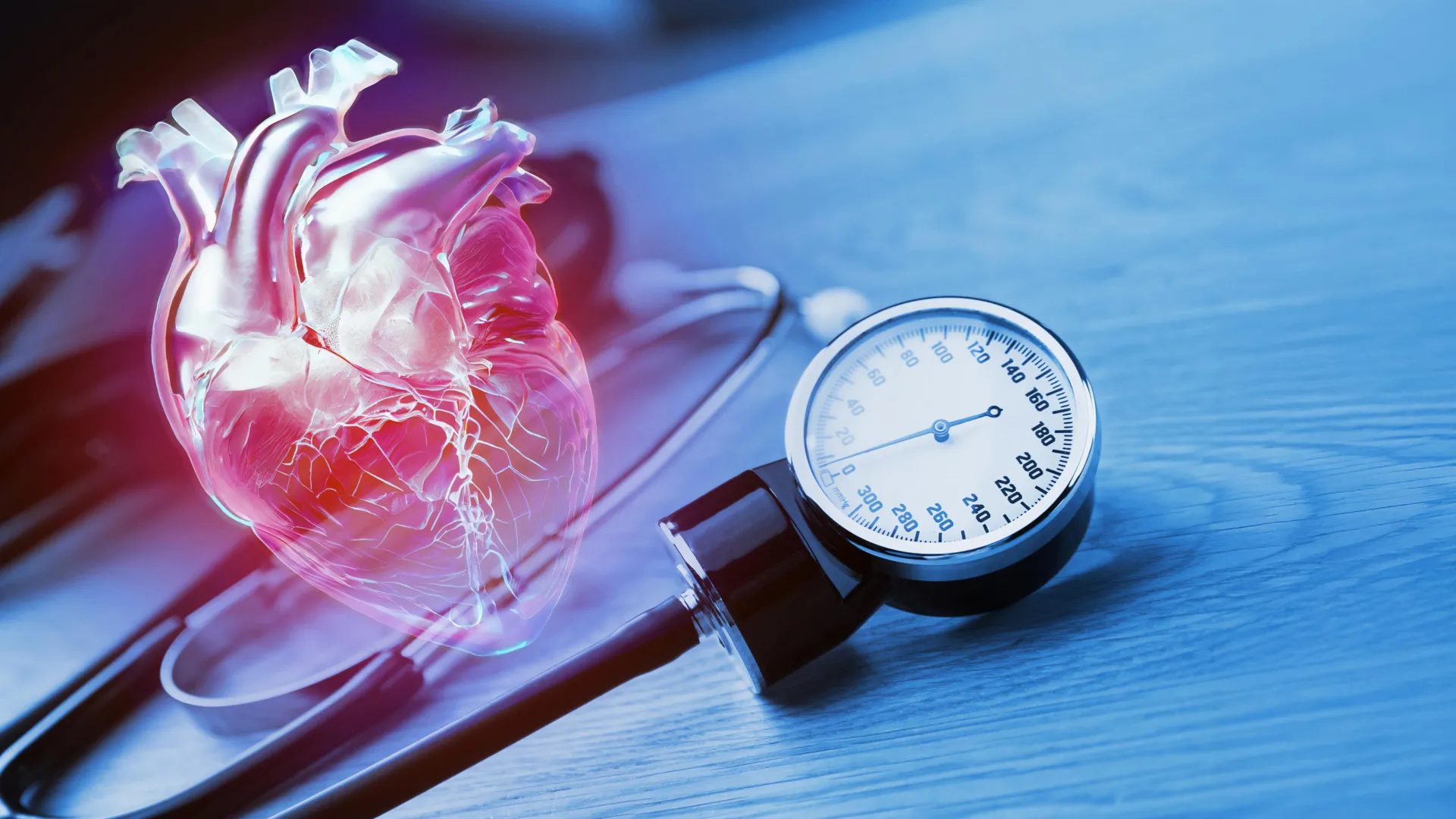
Scientists are calling for a major rethink of how we manage high blood pressure, suggesting that eating more potassium could be just as important as cutting back on salt.…
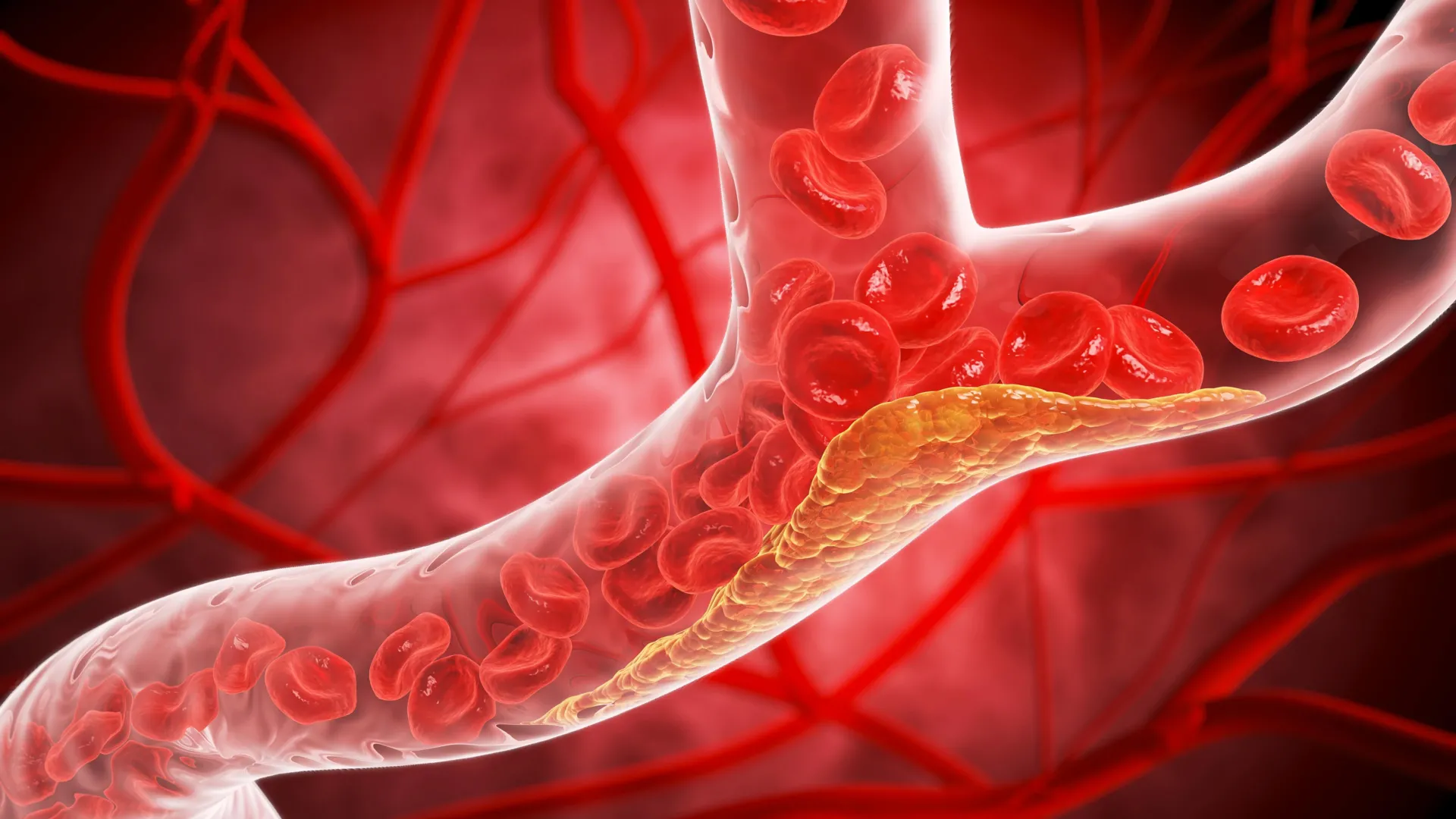
Scientists have uncovered a hidden mechanism that allows high-cholesterol diets to undermine the body's natural cholesterol defenses, and blocking it dramatically lowered harmful LDL cholesterol in mice.…
A major new study reveals that drinking just two alcoholic beverages a day is associated with a 1 in 25 lifetime risk of death from alcohol-related causes, challenging the idea that moderate drinking is harmless.…
A small device that gently stimulates nerves through the ear could offer a new way to tackle stubborn high blood pressure. In a clinical trial of 63 patients already taking medication, the treatment proved safe, easy to use at home, and well tolerated.…
A common liver disease affecting nearly 30% of adults worldwide may be far more complicated than scientists previously realized. Mayo Clinic researchers have discovered that fatty liver disease actually consists of five distinct biological subtypes, each…
Walking just 3,000 steps a day could help slow Alzheimer’s-related brain changes, according to new research. Scientists discovered that physical activity was linked to less buildup of harmful tau proteins and nearly half the cognitive and functional…
A study by DZNE finds that healthy eating is associated with slower biological aging—and that there is more than one way to eat healthily. The researchers examined ten dietary patterns considered healthy, including the Mediterranean, Nordic, and a…
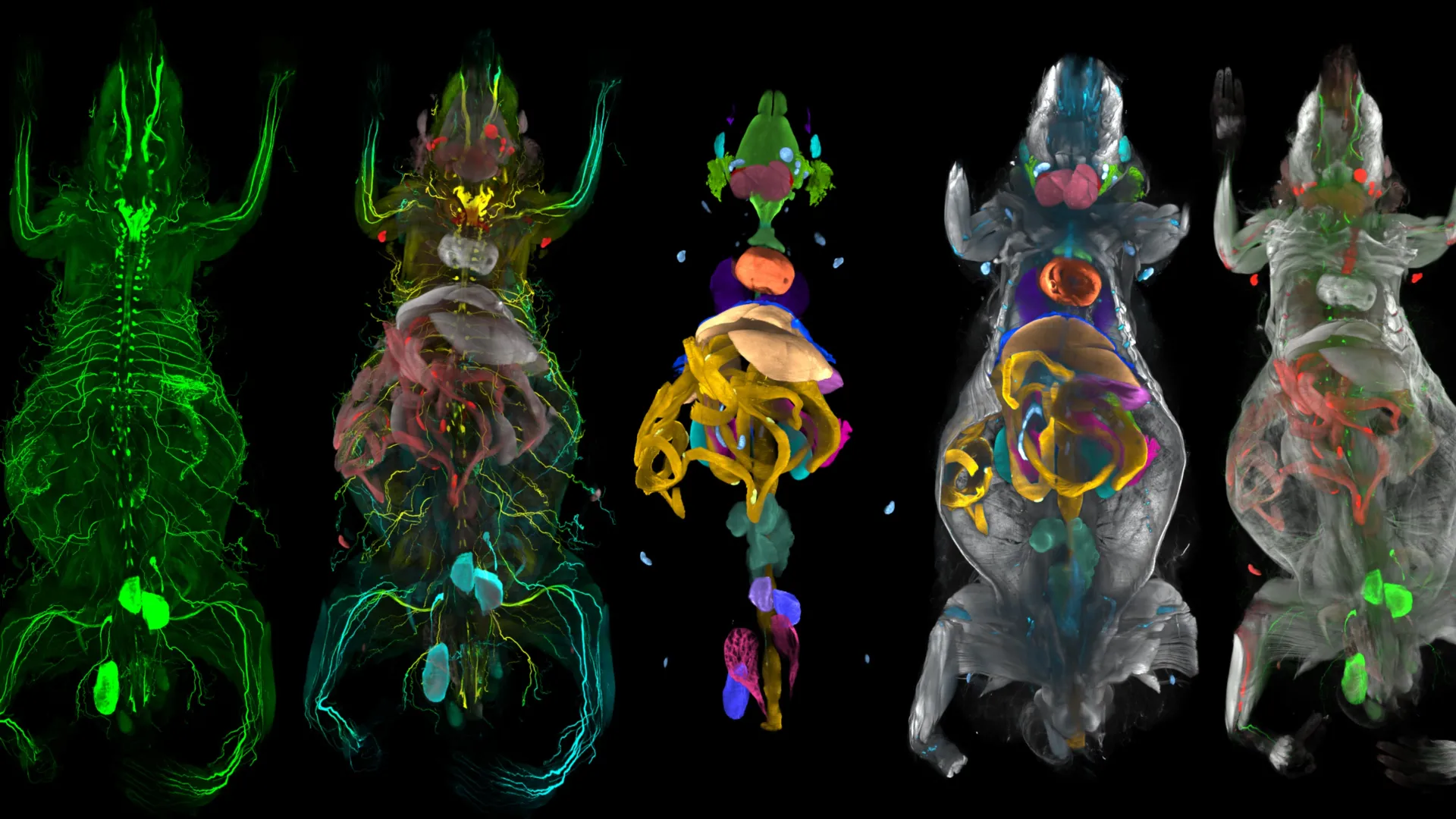
Scientists have created an AI-powered system that can scan and map an entire mouse body in extraordinary detail — and it just uncovered a surprising new effect of obesity.…