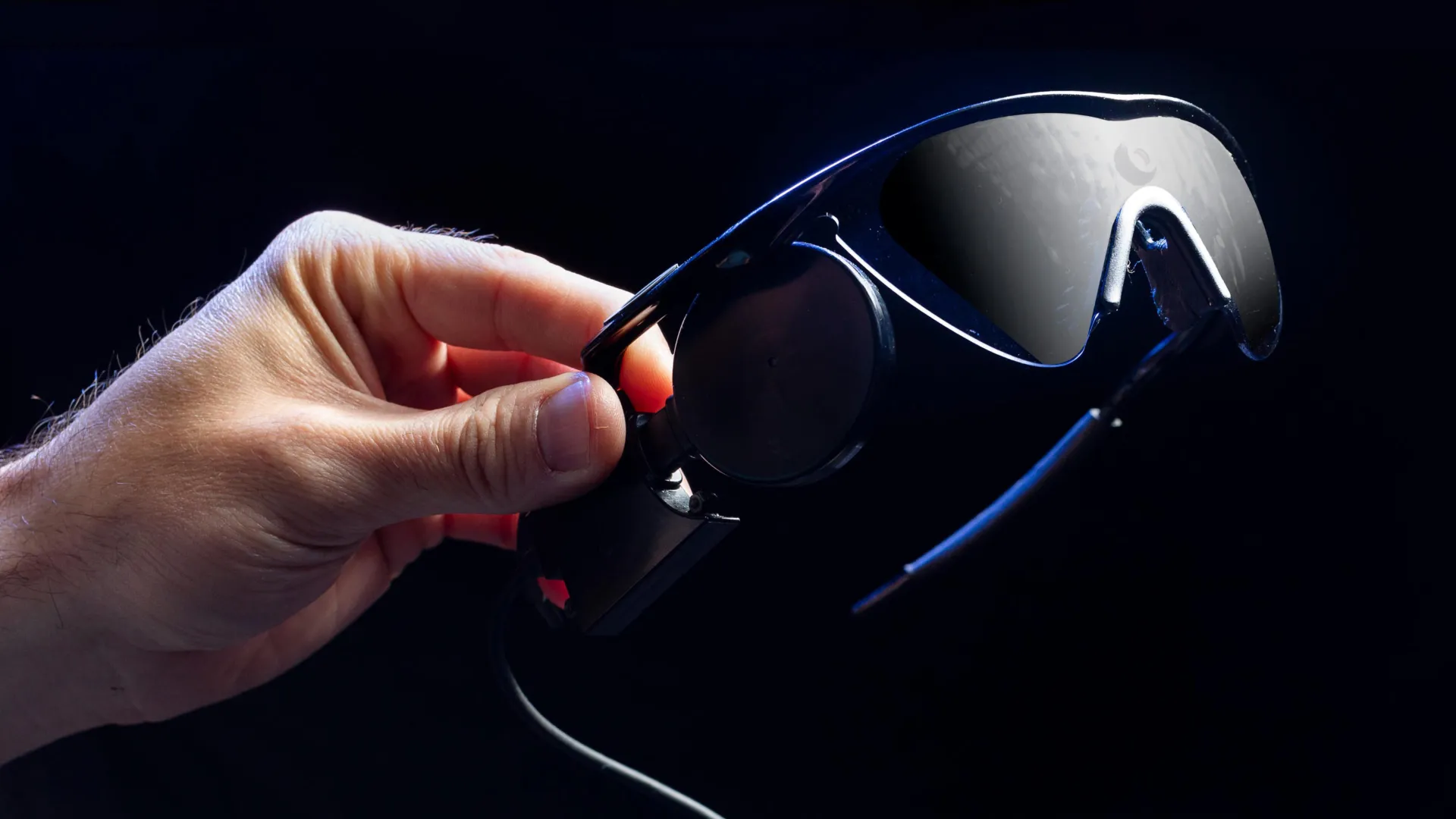
Artificial intelligence could help overcome one of the biggest challenges in restoring vision to people who are blind: getting a brain implant to produce reliable visual experiences. Researchers from three institutions, including UC Santa Barbara, have demonstrated that AI can improve how precisely an experimental visual prosthesis stimulates the brain and predicts what a person perceives.
The team used a deep learning system to develop electrical stimulation patterns for electrodes temporarily implanted in the visual cortex, the region at the back of the brain responsible for processing visual information. By analyzing the brain's responses, the technology gave researchers greater control over neural activity and helped them better anticipate the visual sensations produced by the implant.
Published online in the journal Neuron , the proof-of-concept study represents progress toward more advanced visual prostheses, sometimes described as bionic eyes.…