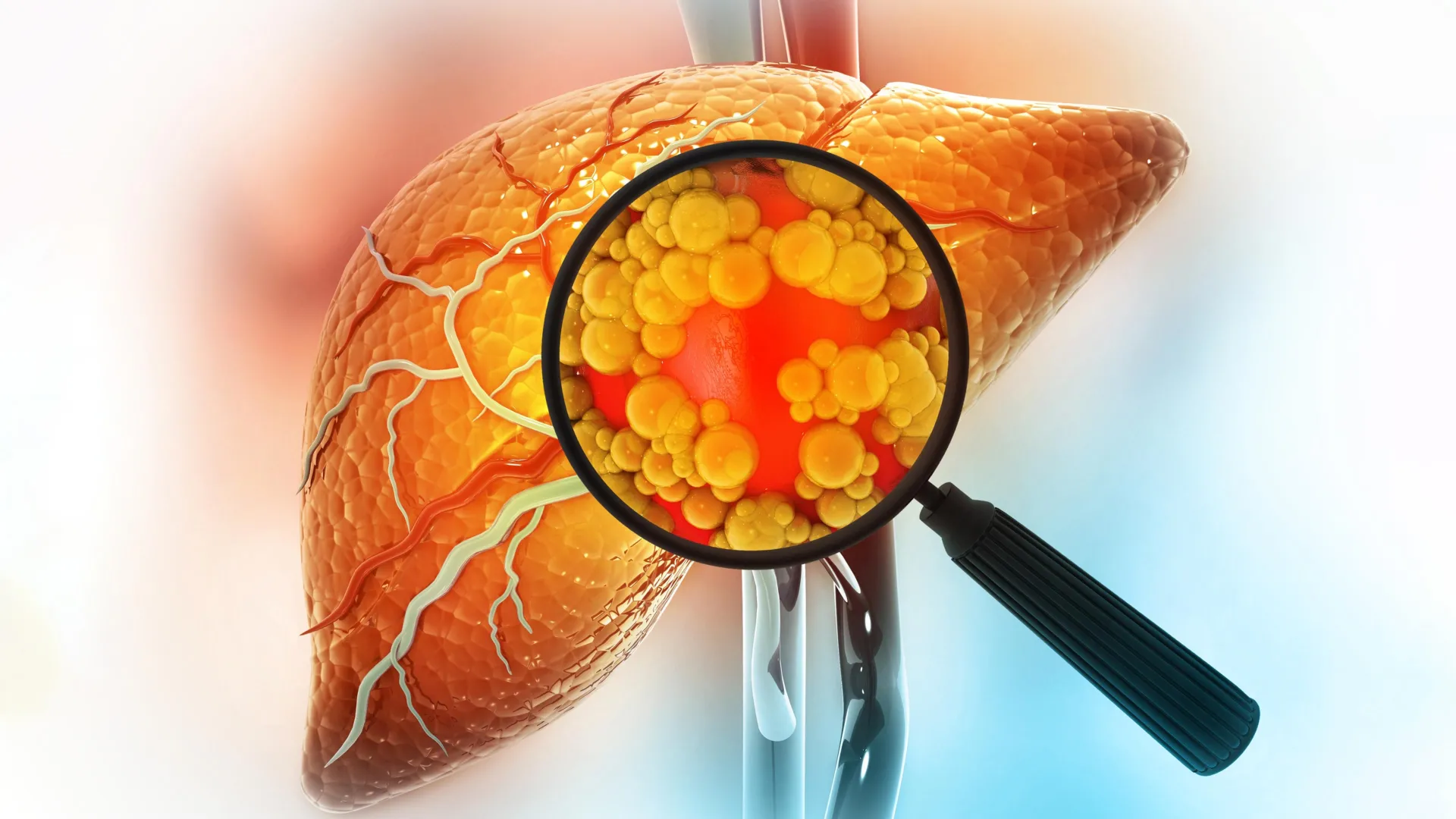
A common liver disease affecting nearly 30% of adults worldwide is far more complex than previously understood. Researchers at Mayo Clinic have identified five biologically distinct forms of the condition, each associated with different risks of serious health complications, including heart disease, liver failure, cancer, and the need for a liver transplant.
The findings, published in Nature Communications , come from a collaboration between Mayo Clinic and Virginia Tech. Scientists discovered that metabolic dysfunction-associated steatotic liver disease, or MASLD, can develop through several different biological pathways. Some are closely connected to obesity and diabetes, while others appear to be driven by inherited genetic differences.
One of the most important findings involves the genetic forms of the disease.…