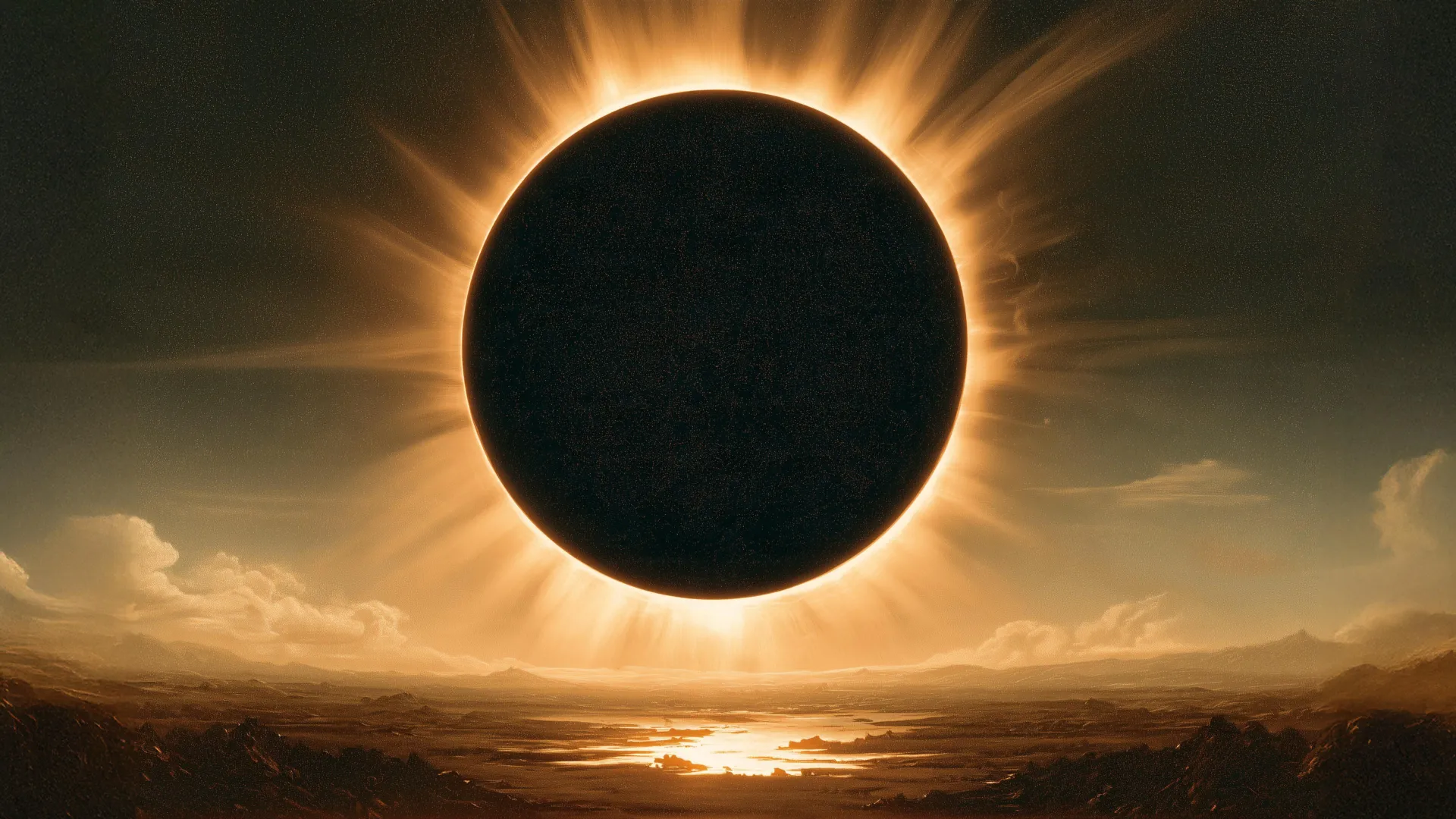
An international research team has revisited one of the oldest precisely dated records of a total solar eclipse, uncovering new details about how Earth's rotation has changed over thousands of years. By combining historical geography with modern astronomical calculations, the scientists reconstructed an eclipse that occurred in 709 BCE and determined how it would have appeared from Qufu, the ancient capital of China's Lu Duchy.
The researchers also examined an early account that may describe the solar corona, the Sun's faint outer atmosphere that becomes visible to the naked eye during a total solar eclipse. Their analysis of its possible shape suggests that the Sun was returning to a more active phase following an extended period of unusually low activity.
Published in Astrophysical Journal Letters , the findings provide more precise evidence of Earth's rotation speed in ancient times.…