Scientists have discovered a strange stellar pair more than 5,000 light-years away, where a dead star spinning every eight minutes produces mysterious radio pulses while orbiting a Sun-like star.…
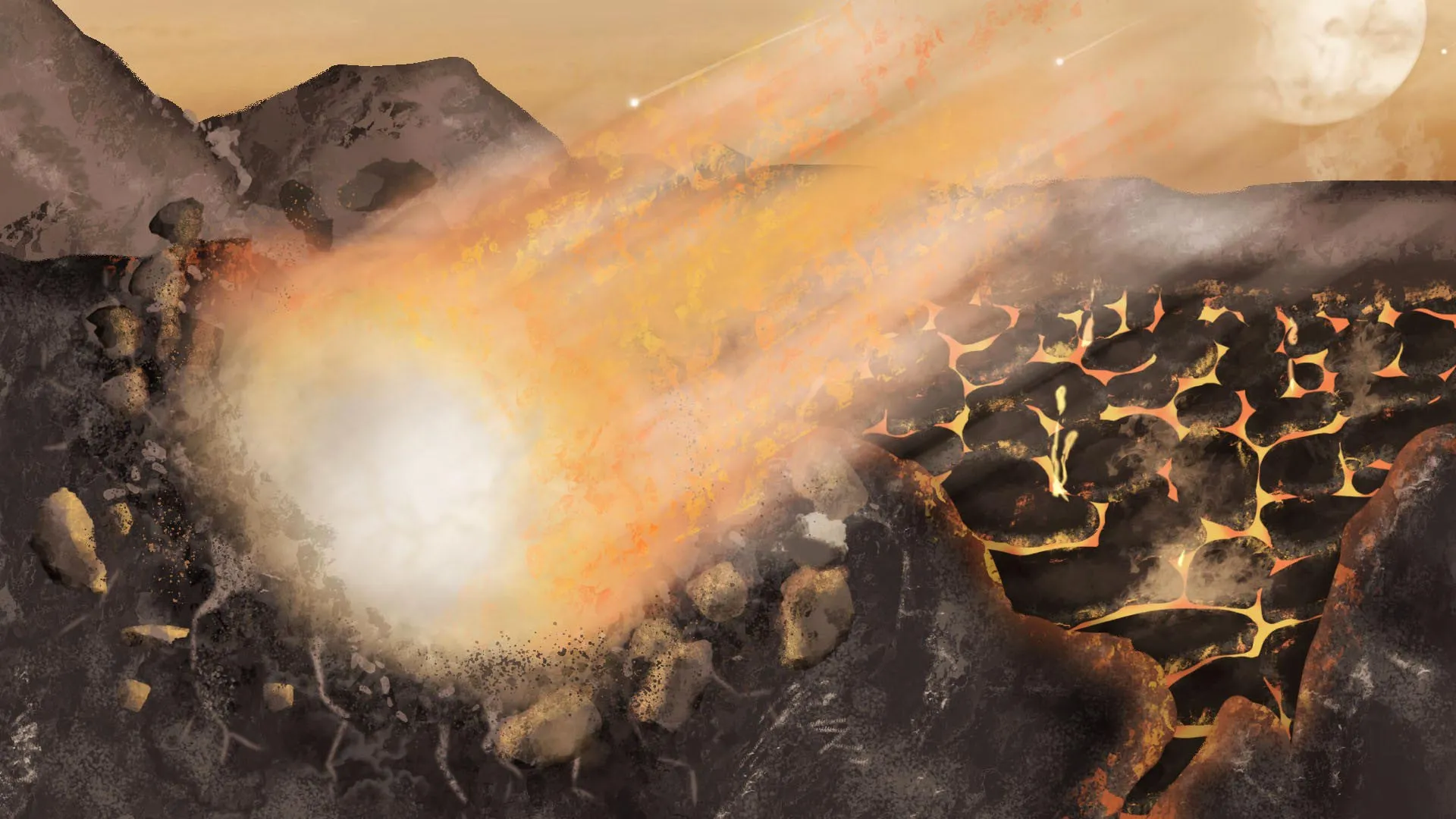
A century-old theory about the origins of life on Earth may be wrong. New research from the University of Cambridge suggests that comets traveled too fast and struck at unfavorable angles for the fragile molecules needed for life to survive, making…
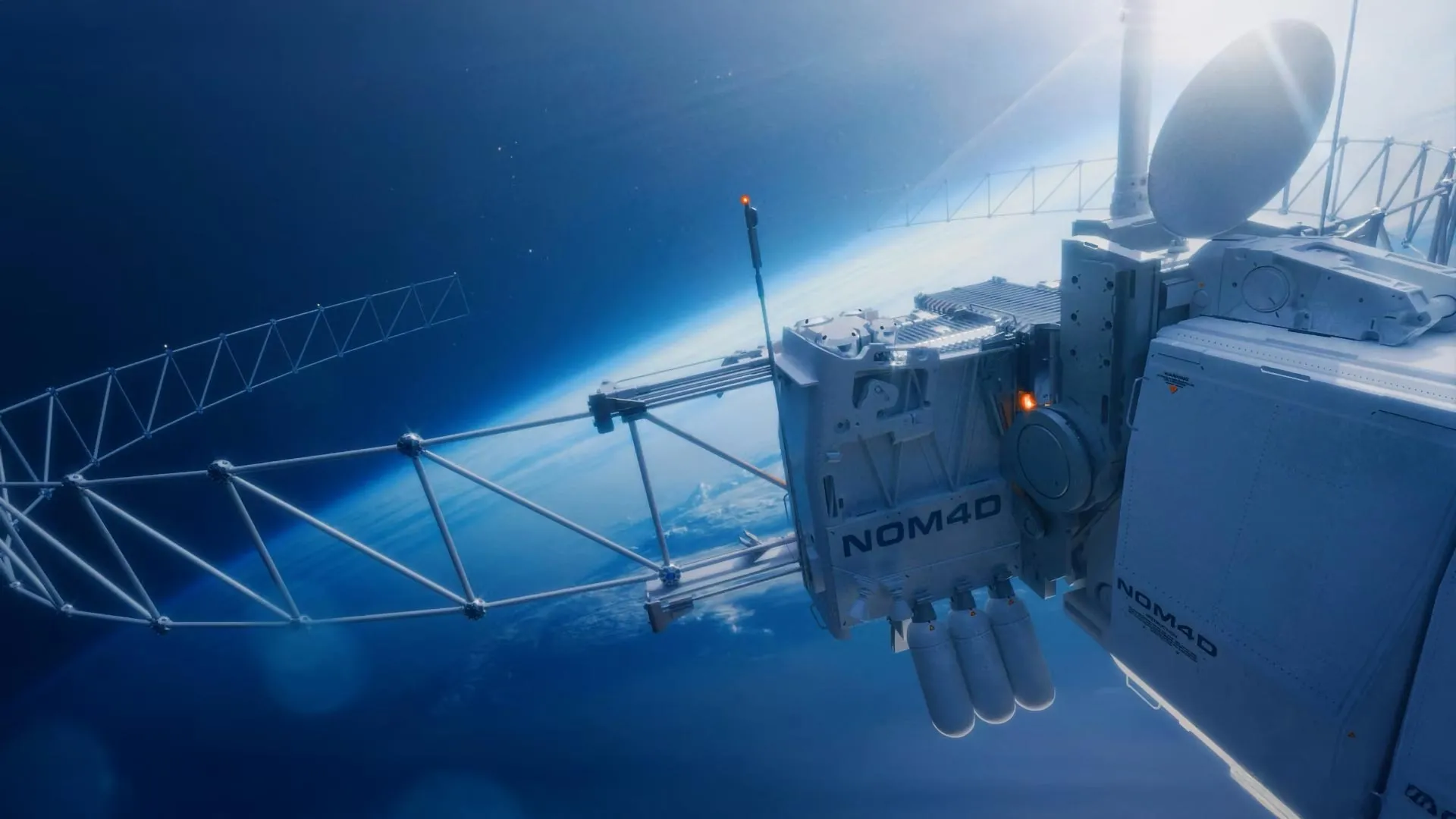
For the first time, a robot has autonomously built part of a structure in space, demonstrating a breakthrough that could fundamentally change space exploration.…
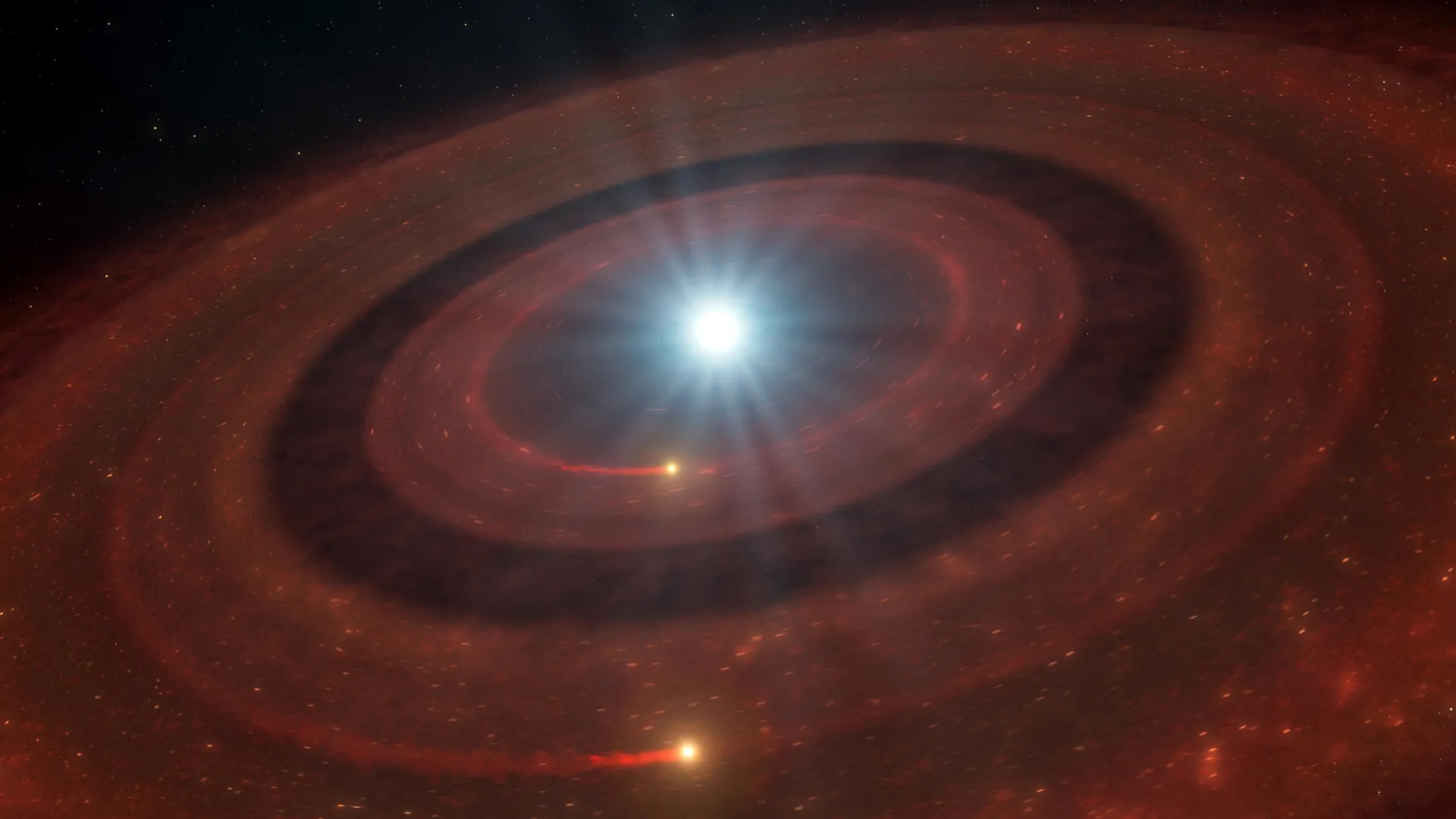
Astronomers have discovered a strange double ring of planetary wreckage around a dead star, revealing a possible preview of our Solar System's distant future.…
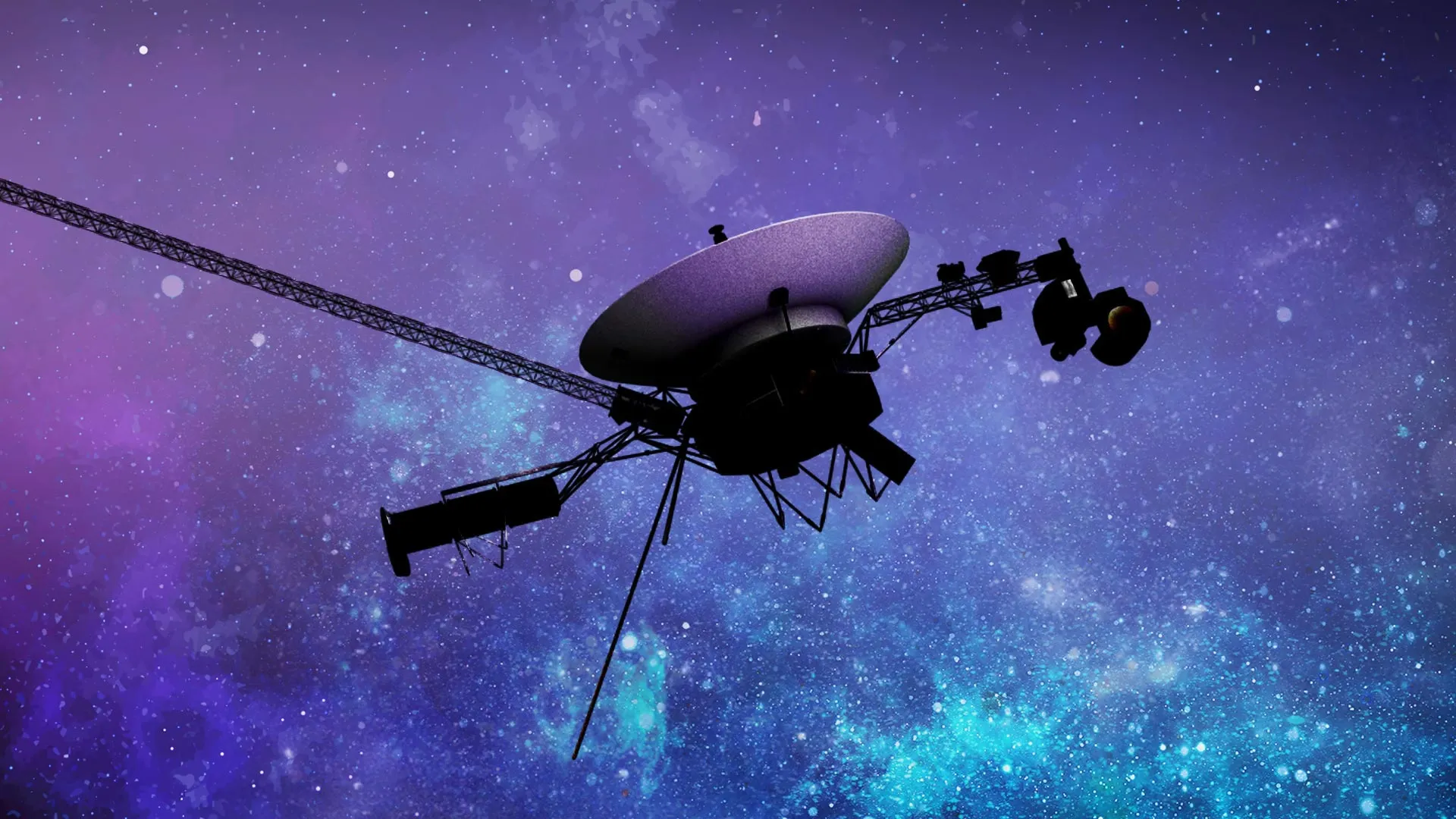
NASA’s Voyager 1 is approaching an extraordinary milestone nearly 50 years after its launch, even as engineers battle dwindling power and mysterious technical problems.…
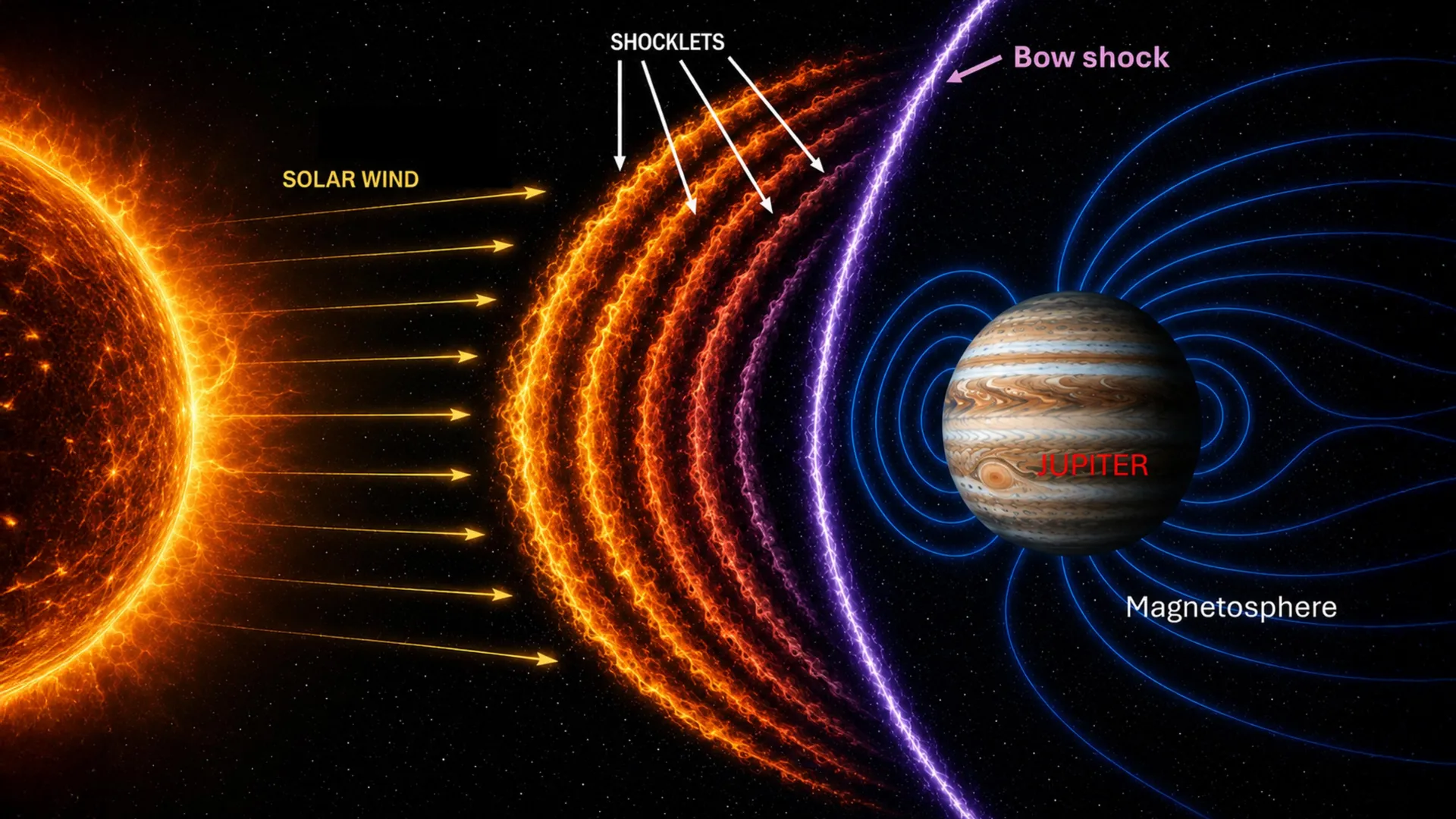
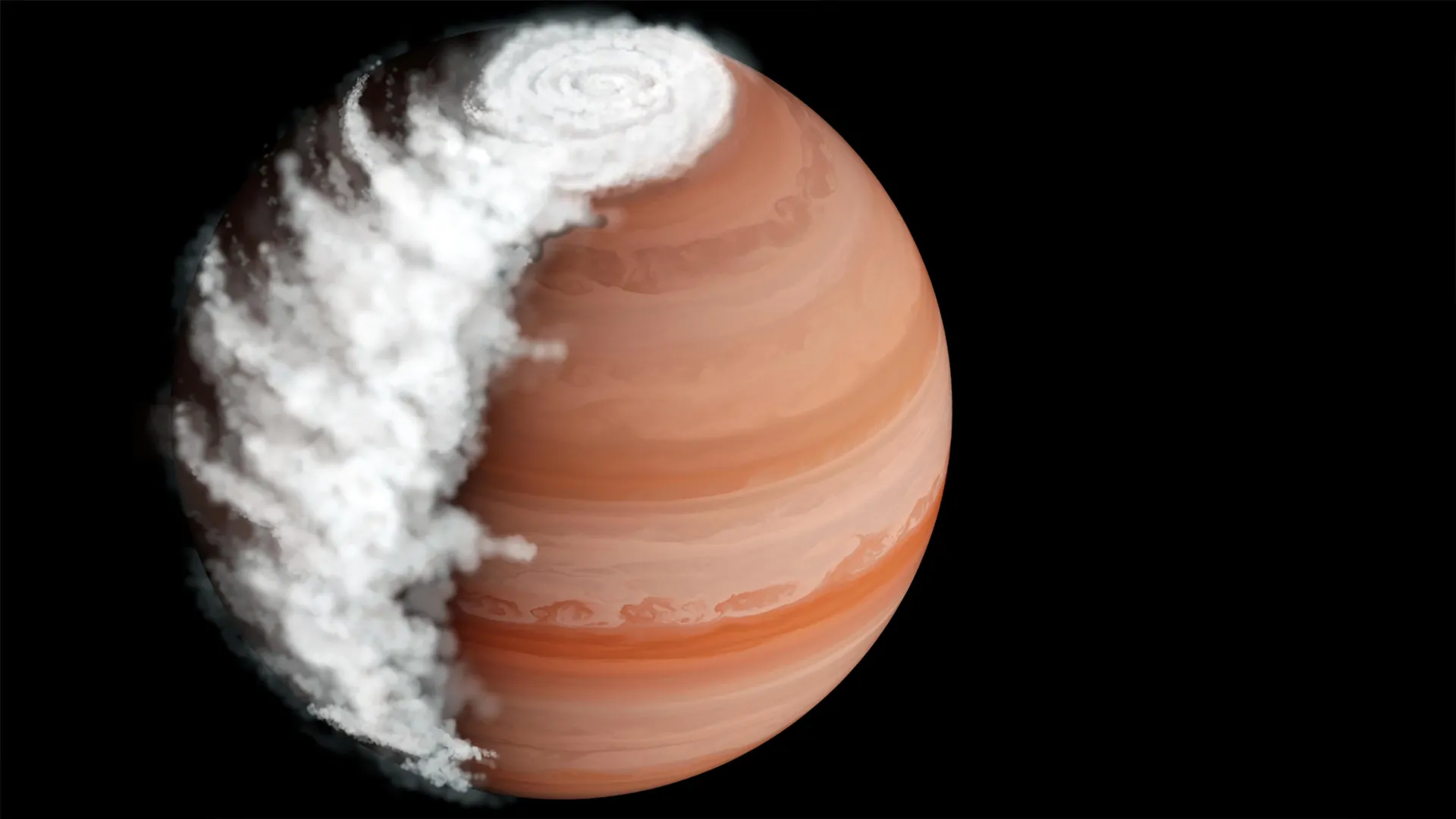
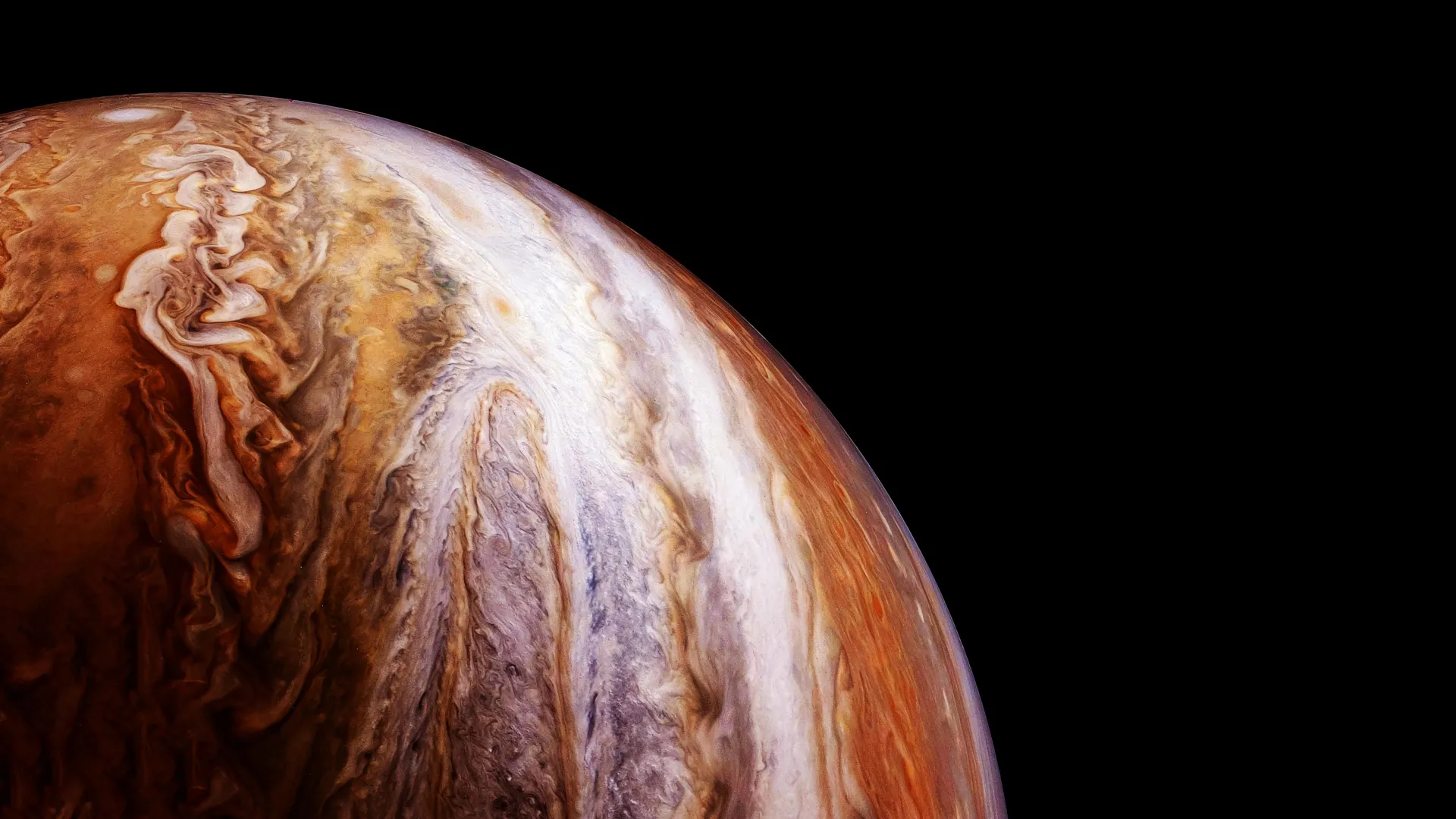
NASA’s Juno spacecraft has discovered that Jupiter uses a surprisingly complex system of powerful plasma waves and multiple shock regions to defend against the solar wind.…
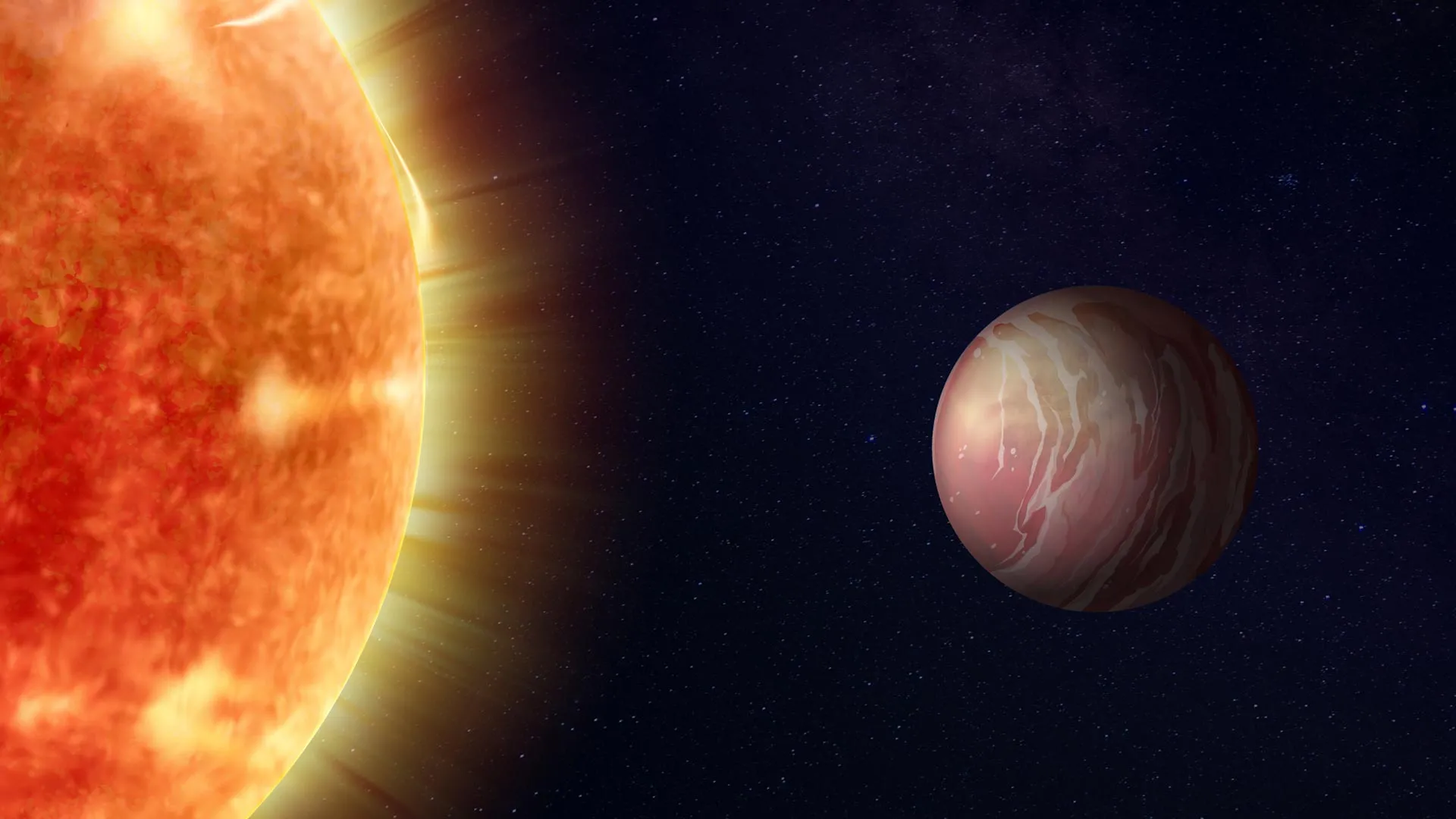
A scorching lava planet 280 light-years away has surprised astronomers by apparently maintaining a thick atmosphere despite conditions that should have stripped it away billions of years ago.…
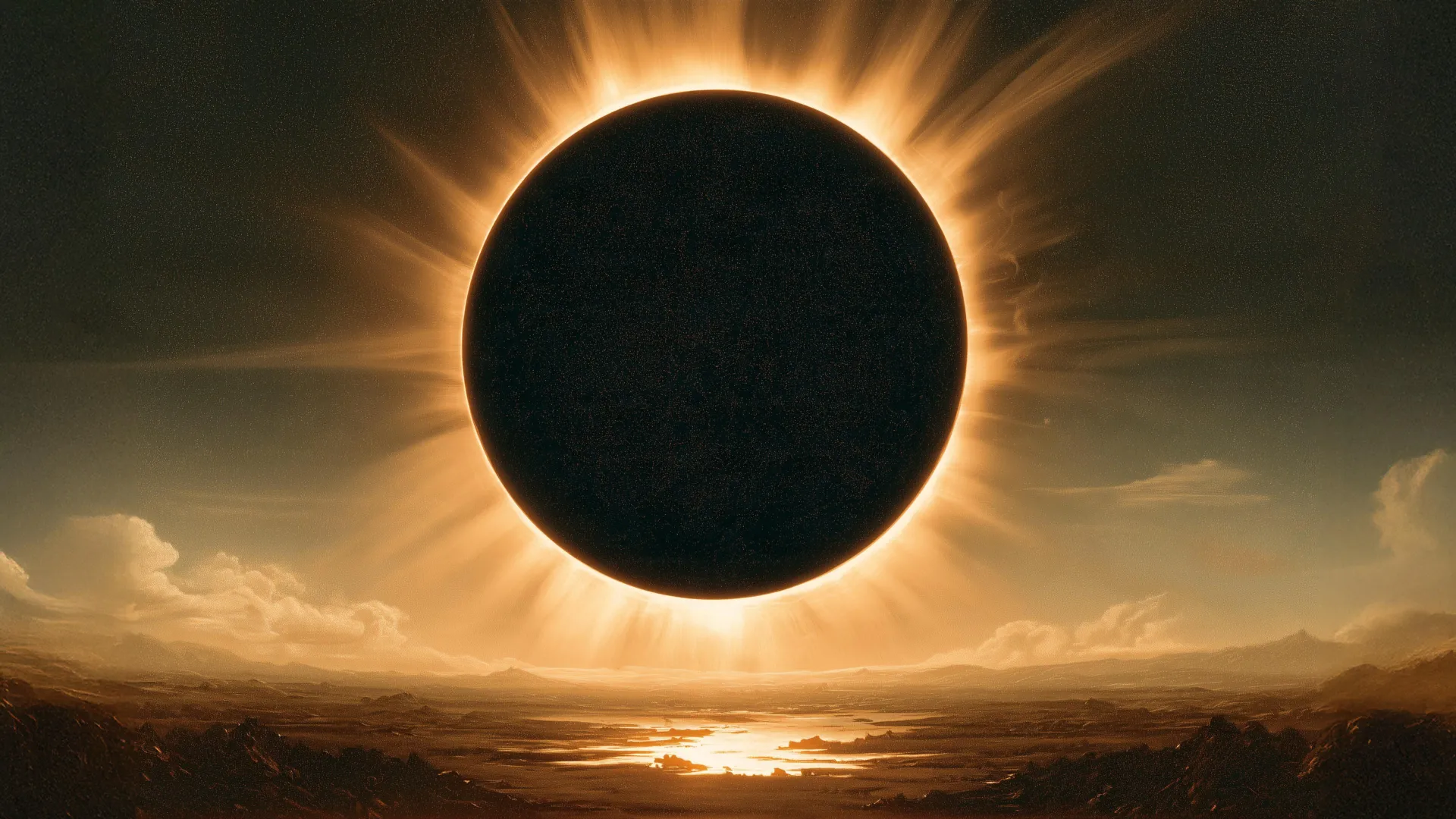
A solar eclipse recorded more than 2,700 years ago is revealing surprising secrets about Earth's rotation and the Sun's ancient behavior. By correcting an eight-kilometer error in the location of an ancient Chinese capital, scientists were able to…
Astronomers have uncovered evidence of a bizarre, potentially historic discovery: the first moon ever detected beyond our Solar System. Unlike familiar moons, this mysterious object is at least as massive as Jupiter and orbits a brown dwarf, which itself…
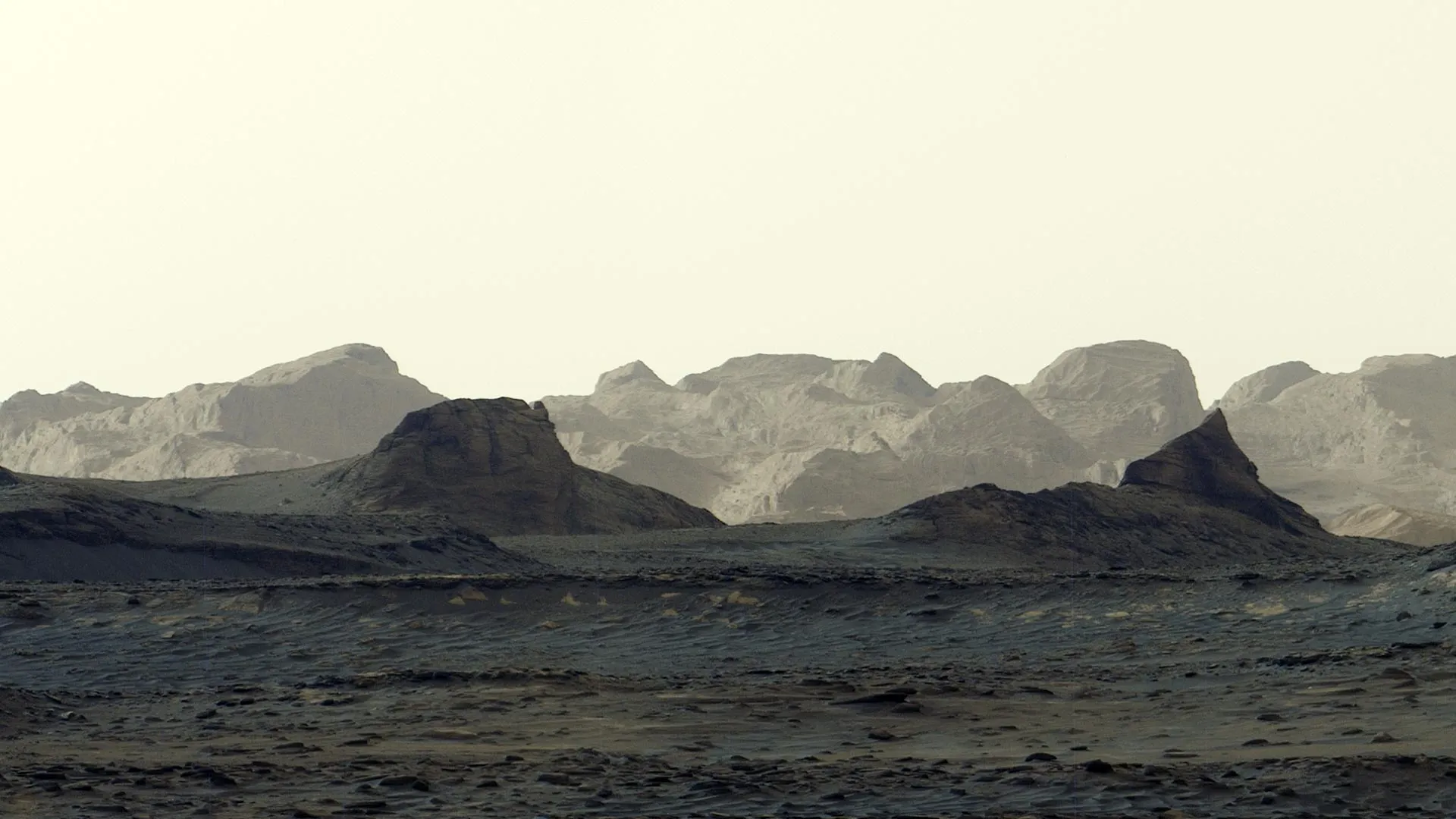
NASA’s Curiosity rover has revealed a spectacular new view of mysterious, wind-carved cliffs on Mars that may hold evidence of ancient volcanic activity.…
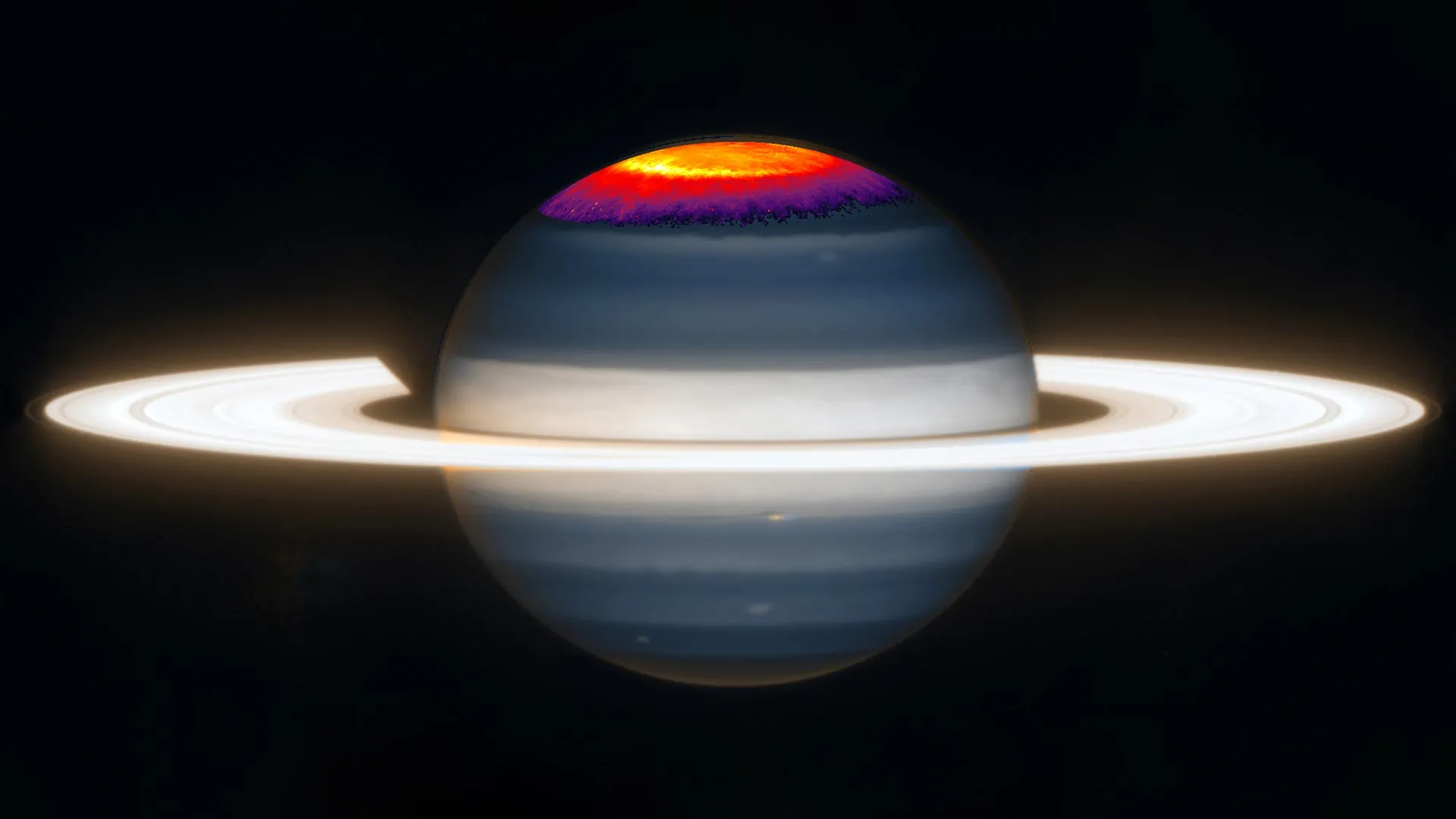
A decades-old mystery about Saturn has finally been solved thanks to the James Webb Space Telescope. Scientists discovered that Saturn’s changing “rotation rate” was never caused by the planet speeding up or slowing down, but by powerful winds high in its…
Hubble has revealed a giant planet-forming disk unlike anything astronomers have seen before. Nicknamed “Dracula’s Chivito,” the enormous structure appears turbulent and oddly lopsided, with towering filaments visible on only one side.…
A scorching, airless world just 48 light-years away is offering scientists a rare glimpse into the geology of distant planets. Using the James Webb Space Telescope, researchers studied LHS 3844 b—a tidally locked “super-Earth” with a permanent dayside hot…
Scientists have uncovered the true boundary of the Milky Way’s star-forming region using stellar “age mapping.” They found a telltale U-shaped pattern showing that star formation drops sharply around 35,000–40,000 light-years from the center.…
A mysterious cosmic explosion has astronomers buzzing, as a strange event may hint at an entirely new kind of stellar cataclysm. After detecting ripples in space-time, scientists spotted a fast-fading red glow that initially looked like a rare…
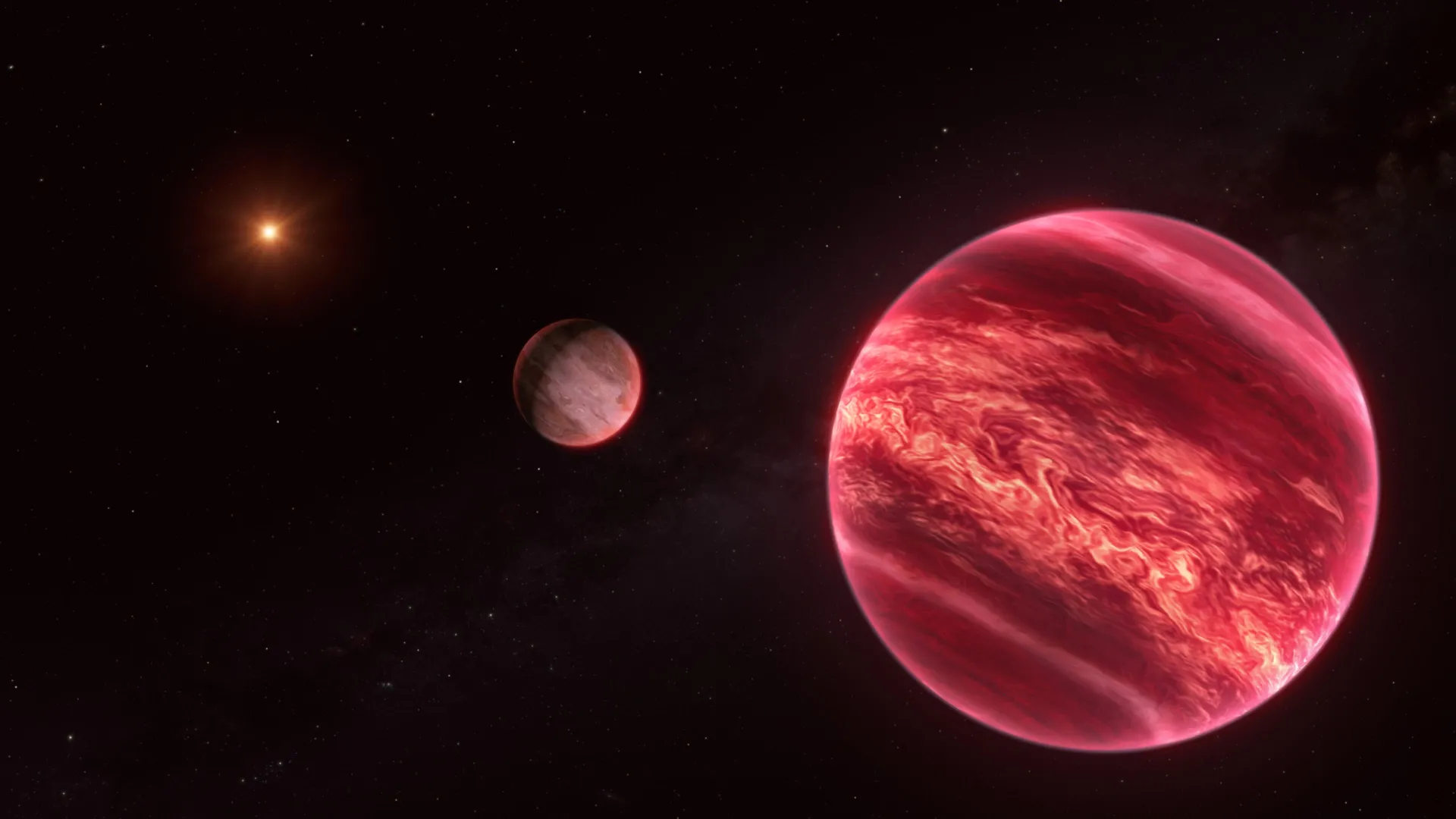
Scientists have discovered unexpected water-ice clouds on a distant, Jupiter-like exoplanet, challenging current atmospheric models. By directly imaging Epsilon Indi Ab with the James Webb Space Telescope, they found less ammonia than expected—likely…
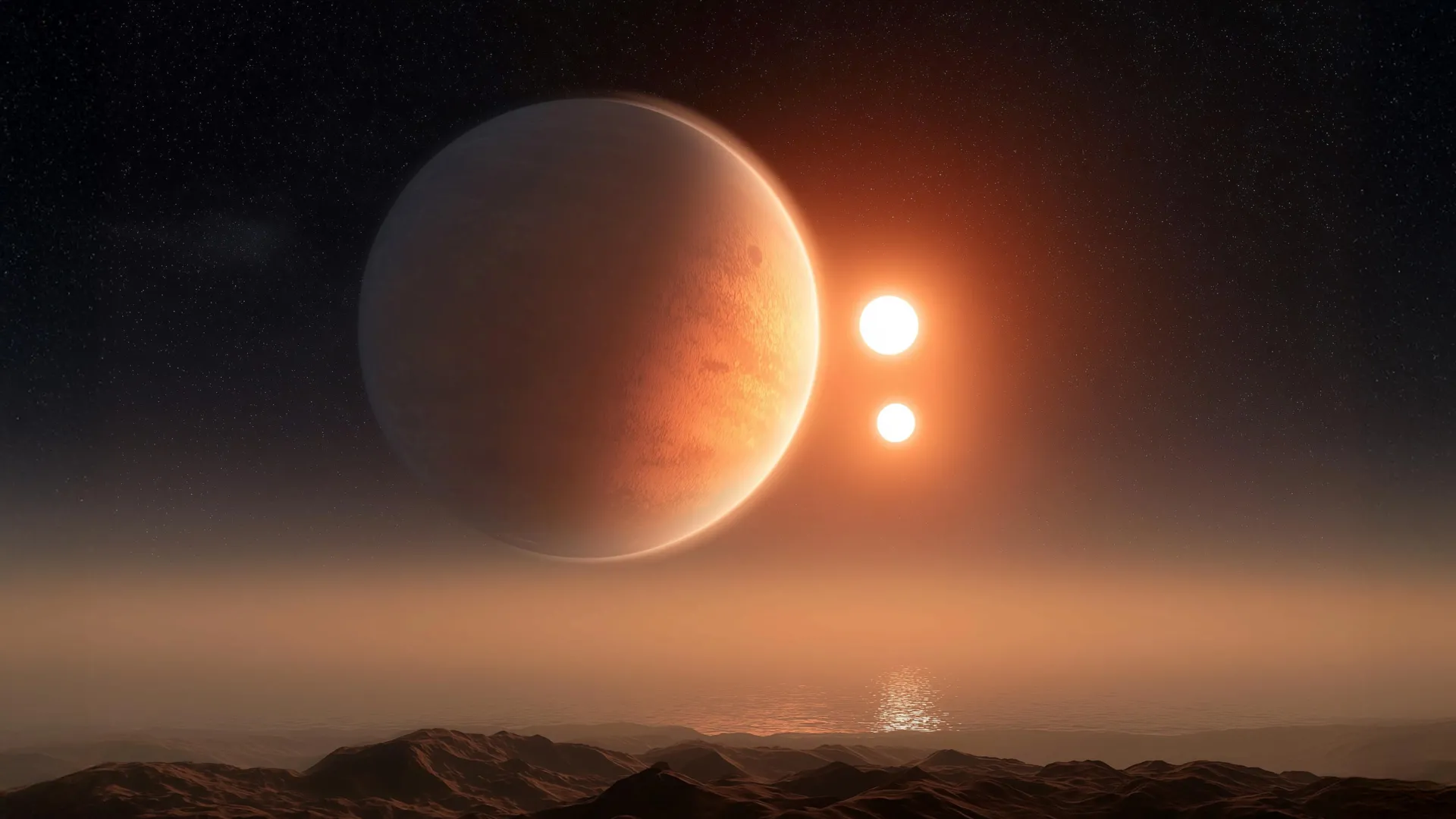
Astronomers have long been puzzled by a cosmic mystery: planets orbiting two stars—like Star Wars’ Tatooine—are surprisingly rare, even though they should be common.…
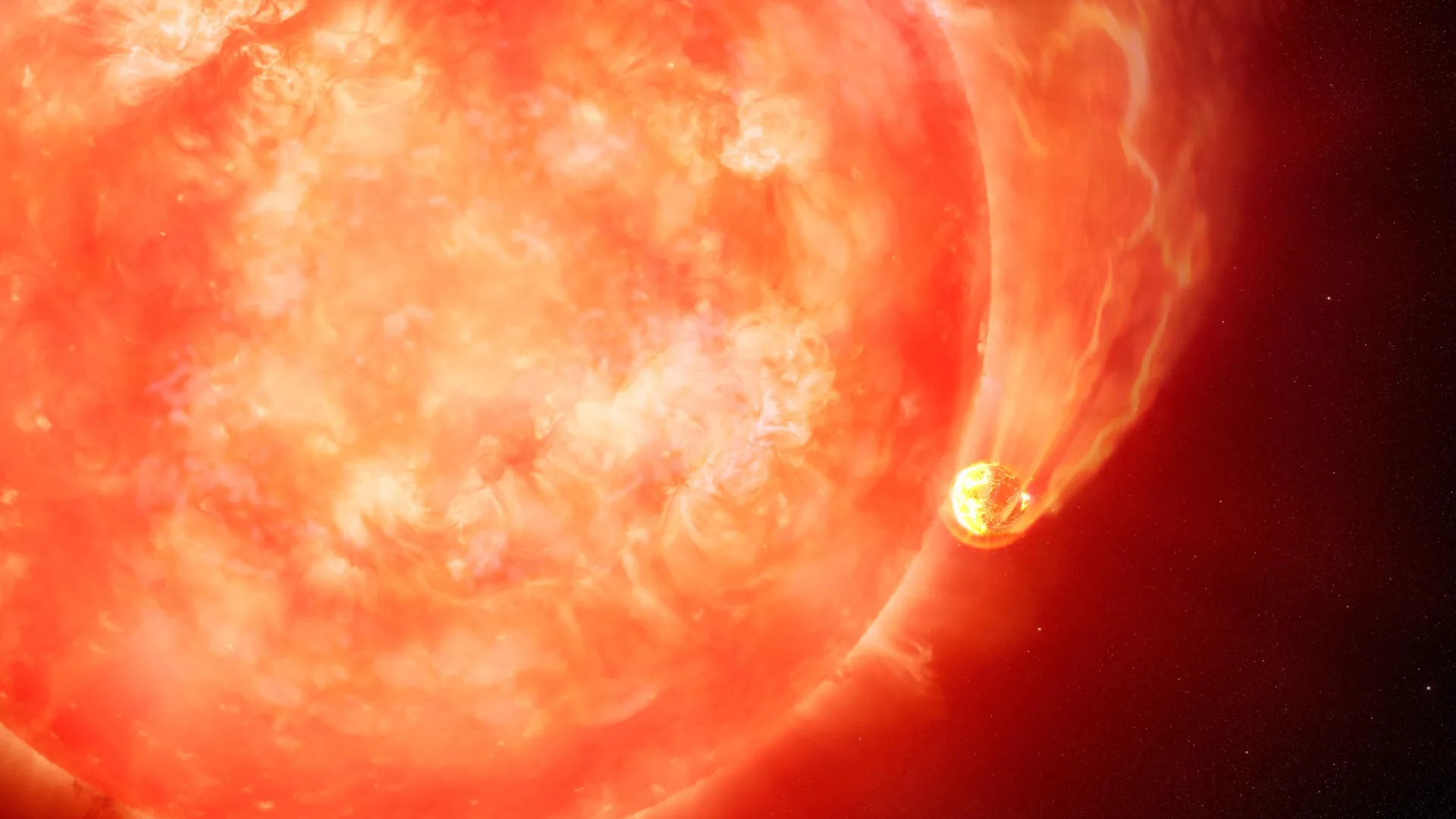
Dying stars may be wiping out nearby giant planets as they expand into red giants. Astronomers found that these close-in planets become increasingly rare around more evolved stars, suggesting many have already been swallowed.…