Menu

#SpaceTelescopes

26 posts

Feed·
20 of 26 posts
Astronomers may have discovered the first moon beyond our Solar System
📰
0Read More

Astronomers may have discovered the first moon beyond our Solar System

ScienceDaily·3 days ago
#jvEOu8mR

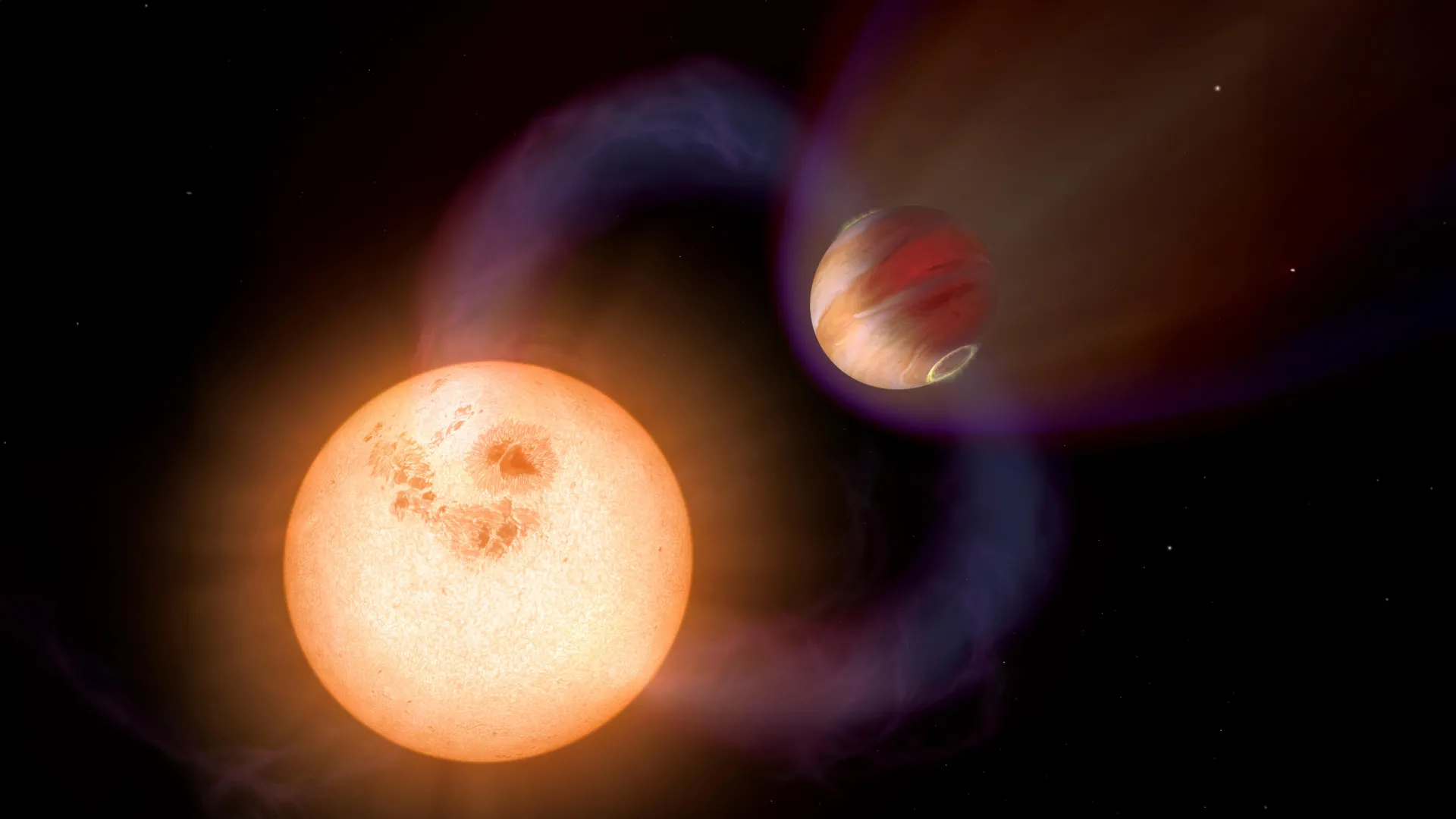
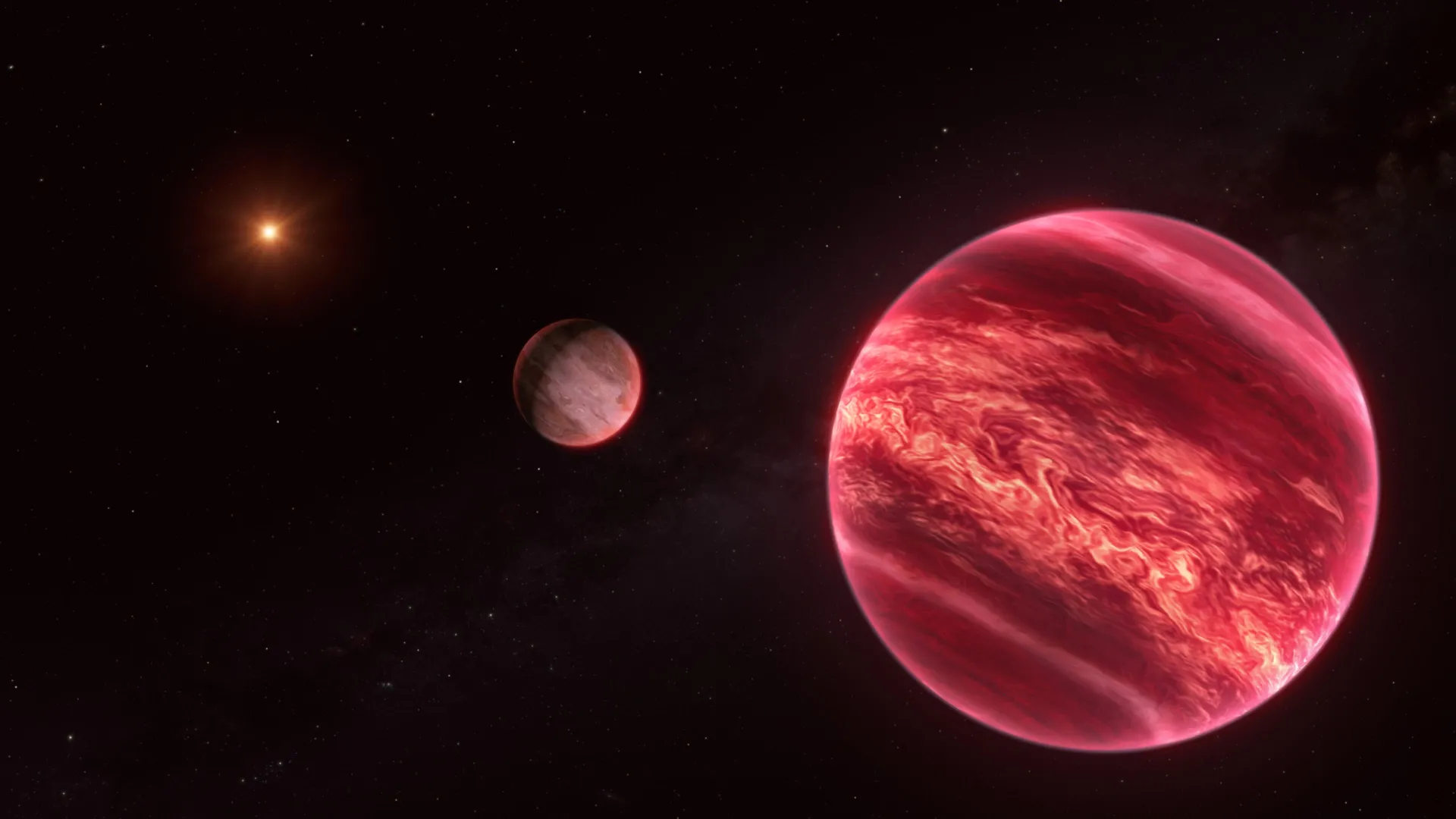
Astronomers have uncovered evidence of a bizarre, potentially historic discovery: the first moon ever detected beyond our Solar System. Unlike familiar moons, this mysterious object is at least as massive as Jupiter and orbits a brown dwarf, which itself…
15s
Three giant black holes discovered in a galaxy from the dawn of time
📰
0Read More

Three giant black holes discovered in a galaxy from the dawn of time

ScienceDaily·3 days ago
#KDpPSVW1

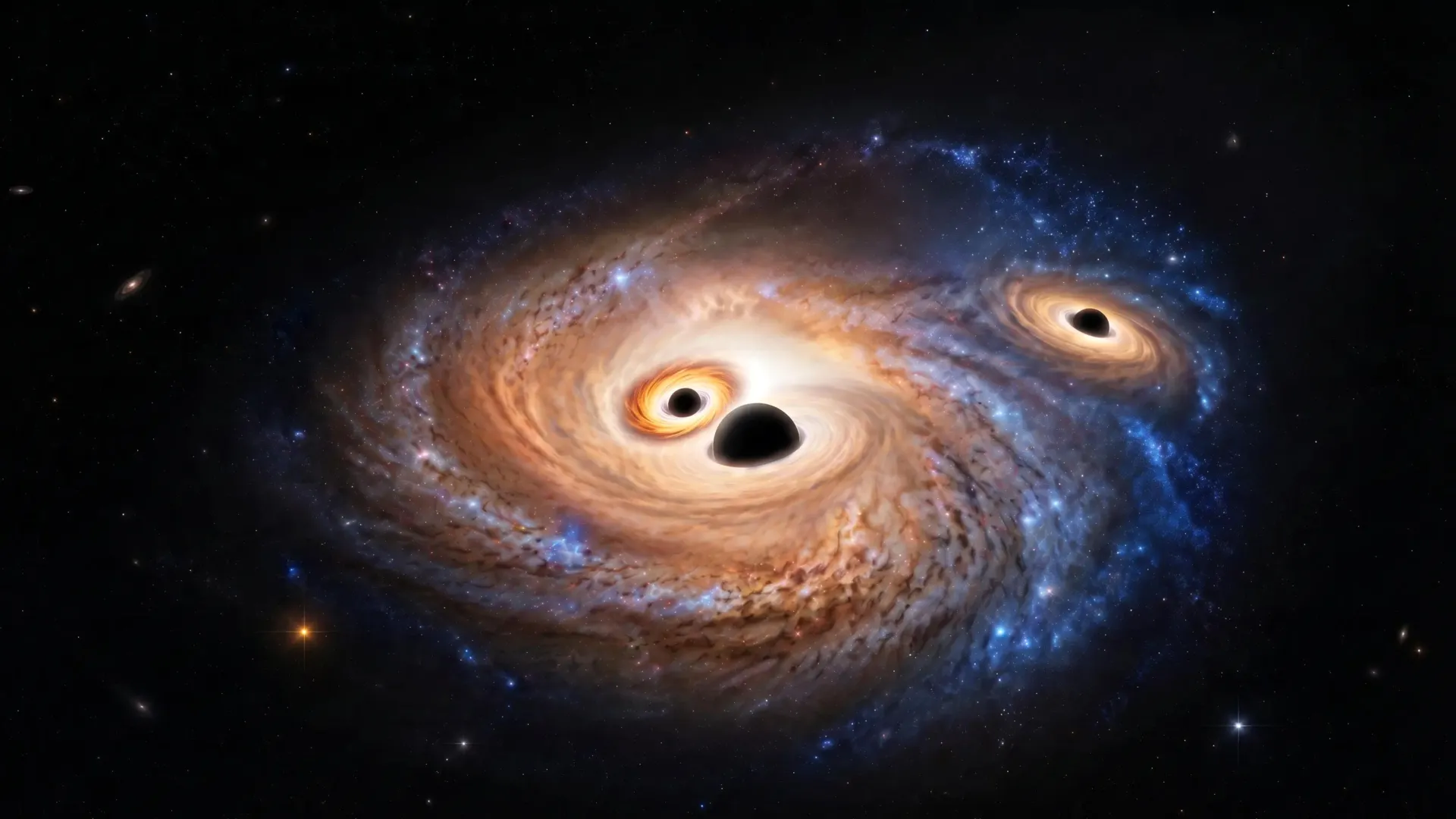
Astronomers have discovered three actively feeding black holes inside a single galaxy more than 12.5 billion light-years away, revealing a remarkable scene from the universe’s infancy.…

15s
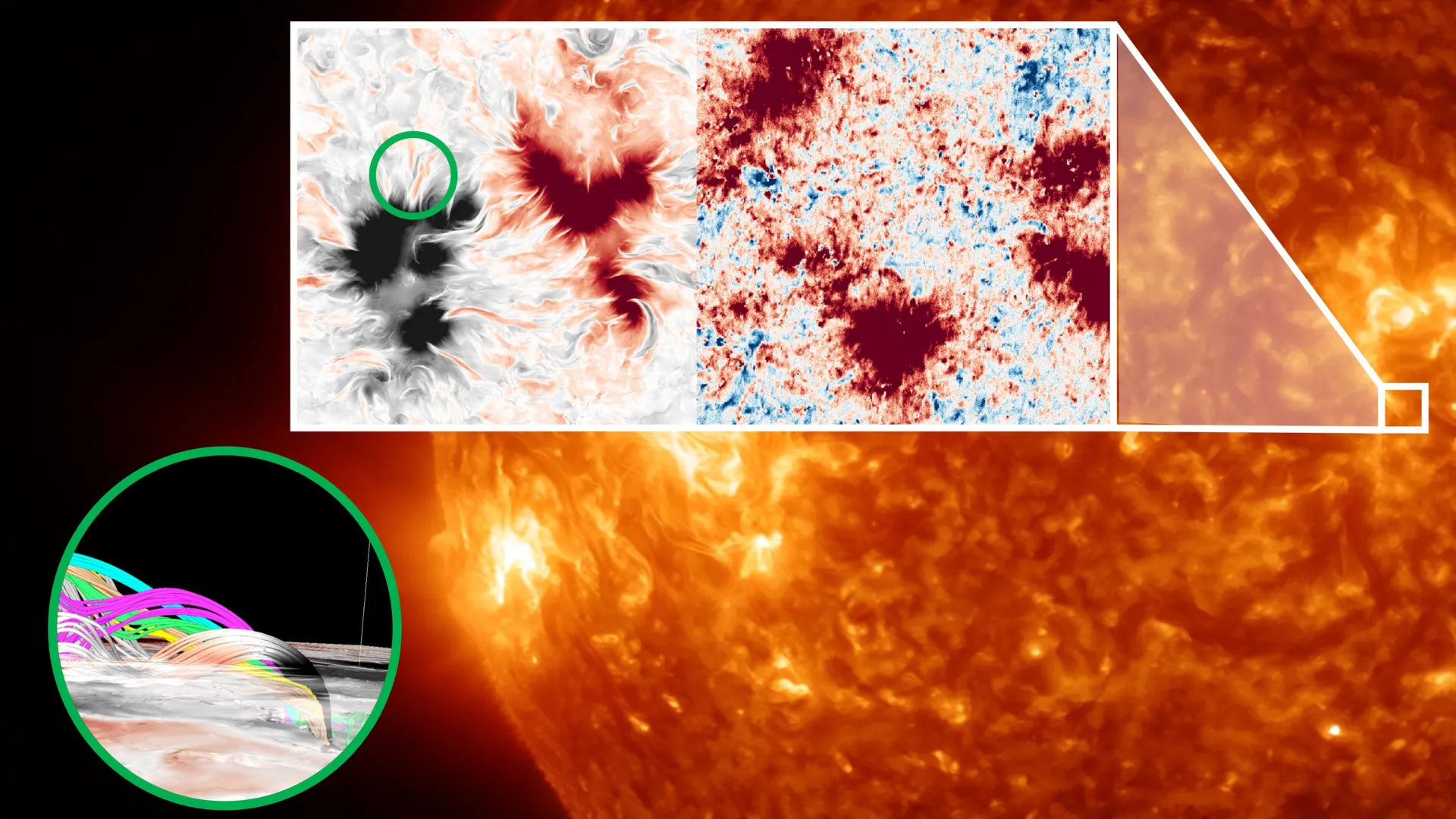
Astronomers uncover a mysterious magnetic web above the Sun
📰
0Read More

Astronomers uncover a mysterious magnetic web above the Sun

ScienceDaily·4 days ago
#jwIVz82y

The Sun’s seemingly peaceful regions are hiding a surprisingly complex magnetic world. Using a balloon-borne telescope high above Earth, scientists discovered delicate, thread-like magnetic structures woven through the solar atmosphere, apparently shaped…

15s
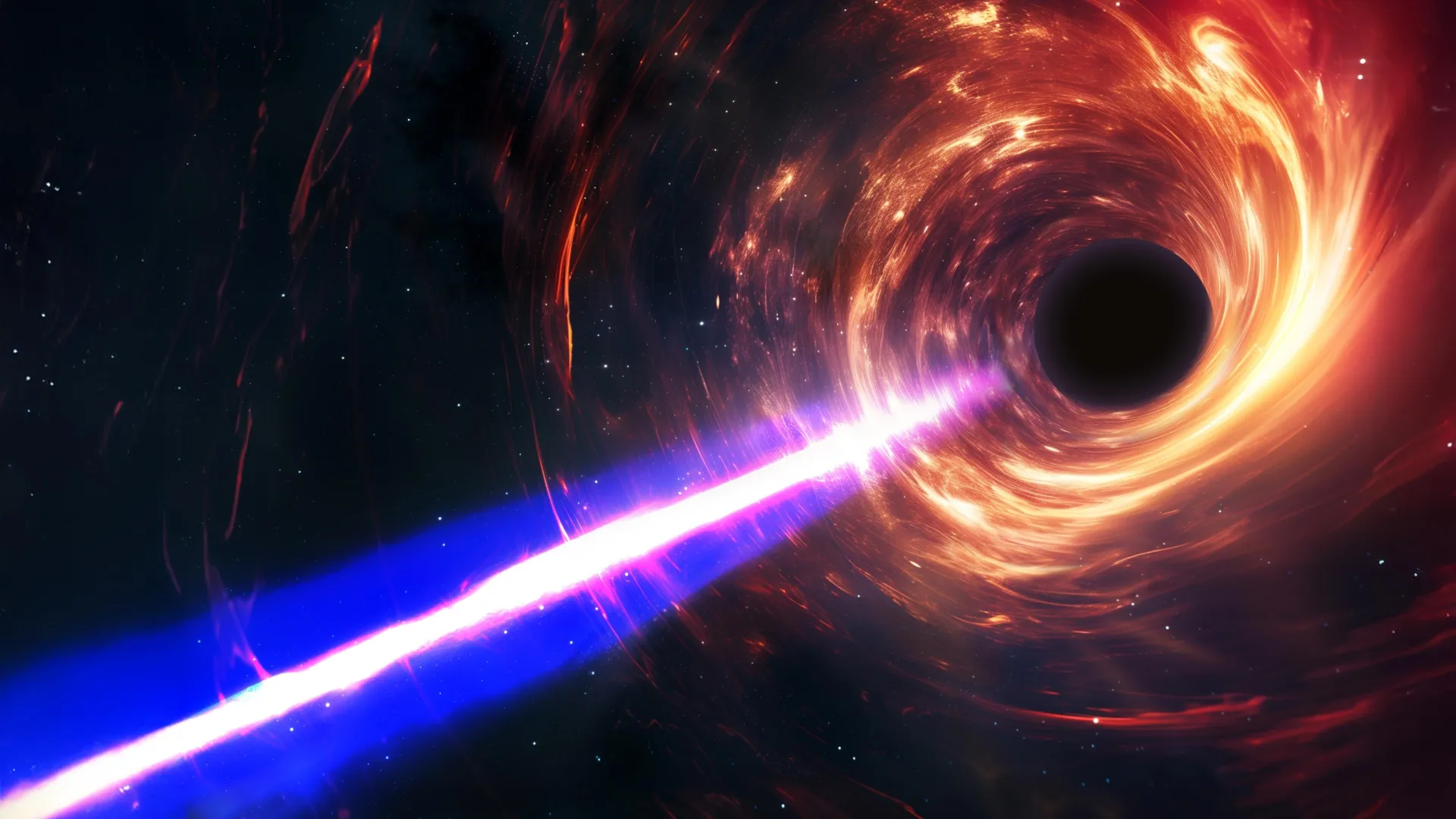
Two monster black holes could collide in just 100 years
📰
0Read More

Two monster black holes could collide in just 100 years

ScienceDaily·7 days ago
#4xT27g8J

Astronomers have uncovered compelling evidence of two supermassive black holes spiraling toward a potentially spectacular collision at the center of galaxy Mrk 501.…

15s
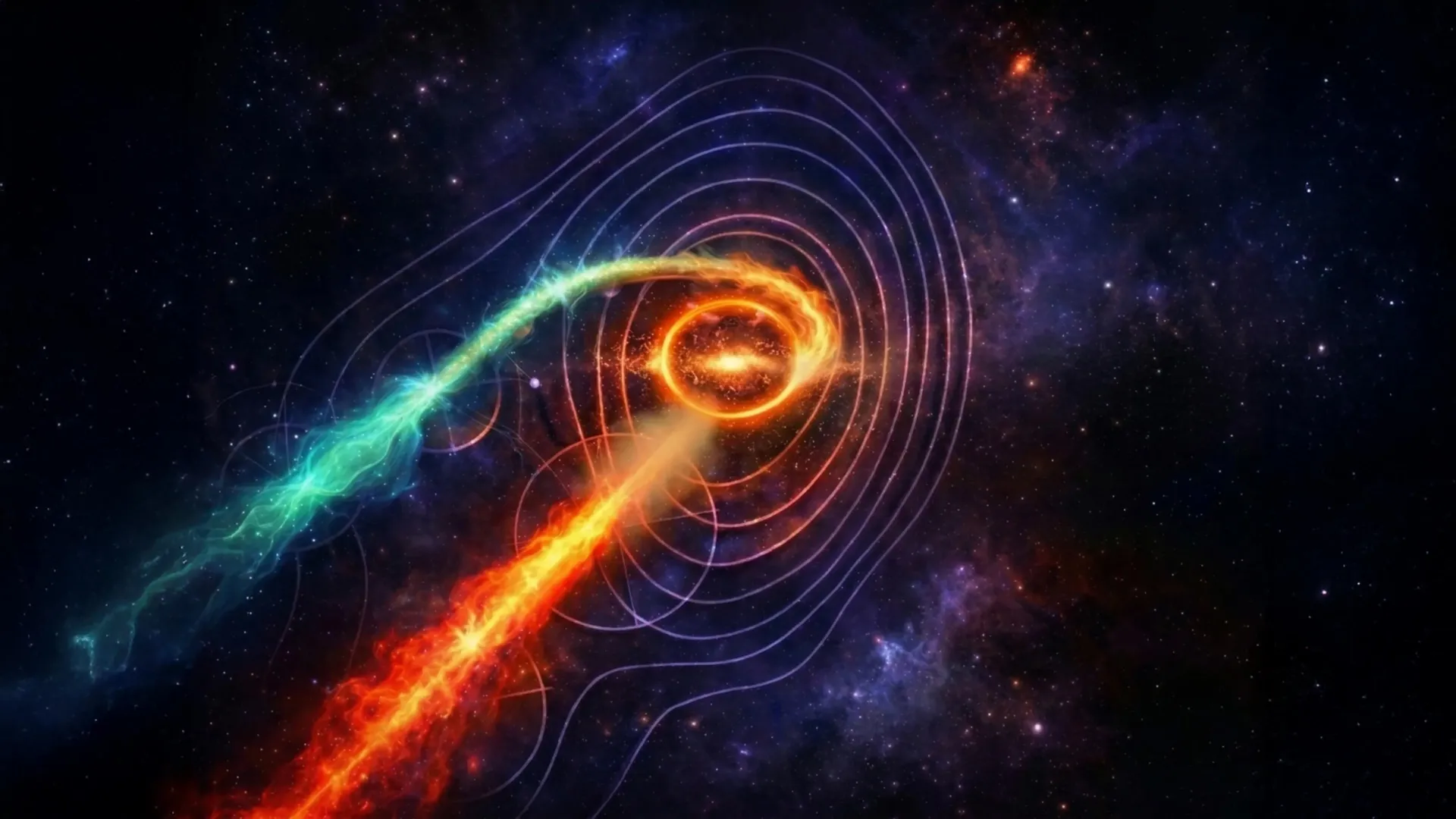
Scientists may have found the source of the most powerful neutrino ever detected
📰
0Read More

Scientists may have found the source of the most powerful neutrino ever detected

ScienceDaily·5 months ago
#7aFQpSYC

A mysterious particle from deep space has scientists buzzing after the most energetic neutrino ever detected slammed through the Mediterranean Sea.…

15s
NASA’s Fermi telescope reveals the power source behind monster supernovae
📰
0Read More

NASA’s Fermi telescope reveals the power source behind monster supernovae

ScienceDaily·5 months ago
#R0DQv0kg

NASA’s Fermi telescope has detected what may be the first confirmed gamma-ray signal from a superluminous supernova — one of the most extreme explosions in the universe.…

15s
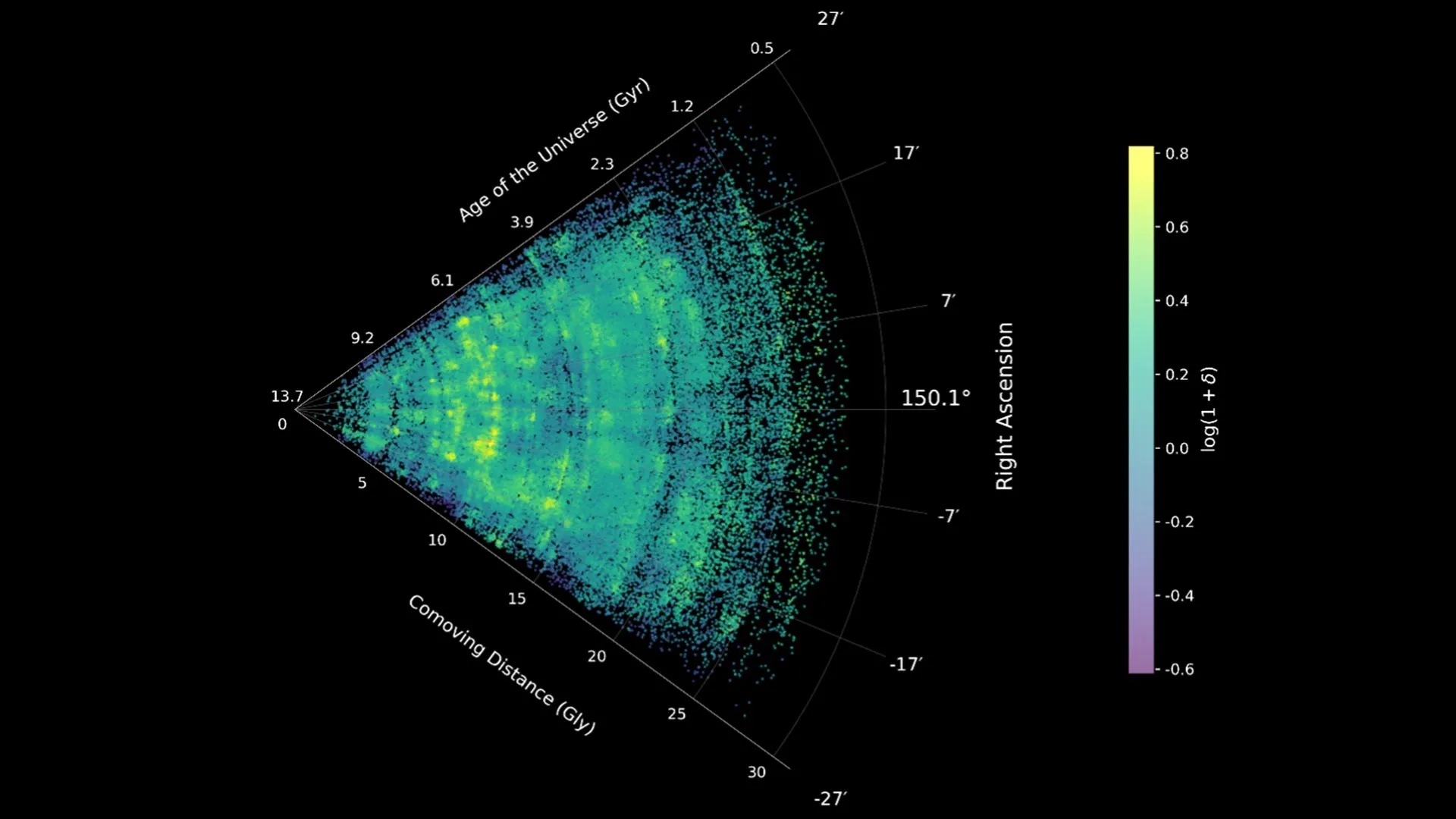
James Webb telescope reveals the clearest map ever of the Universe’s cosmic web
📰
0Read More

James Webb telescope reveals the clearest map ever of the Universe’s cosmic web

ScienceDaily·6 months ago
#aXckPUPe

Astronomers using NASA’s James Webb Space Telescope have created the clearest map yet of the universe’s “cosmic web” — the enormous hidden structure that connects galaxies across space.…

15s
Scientists say Dante’s Inferno described an asteroid impact 500 years before modern science
📰
0Read More

Scientists say Dante’s Inferno described an asteroid impact 500 years before modern science

ScienceDaily·6 months ago
#7TagqqYY

Dante’s Inferno may have been far more than a religious epic. New research argues that the 14th-century poet essentially imagined a catastrophic asteroid impact centuries before modern science understood meteors.…

15s
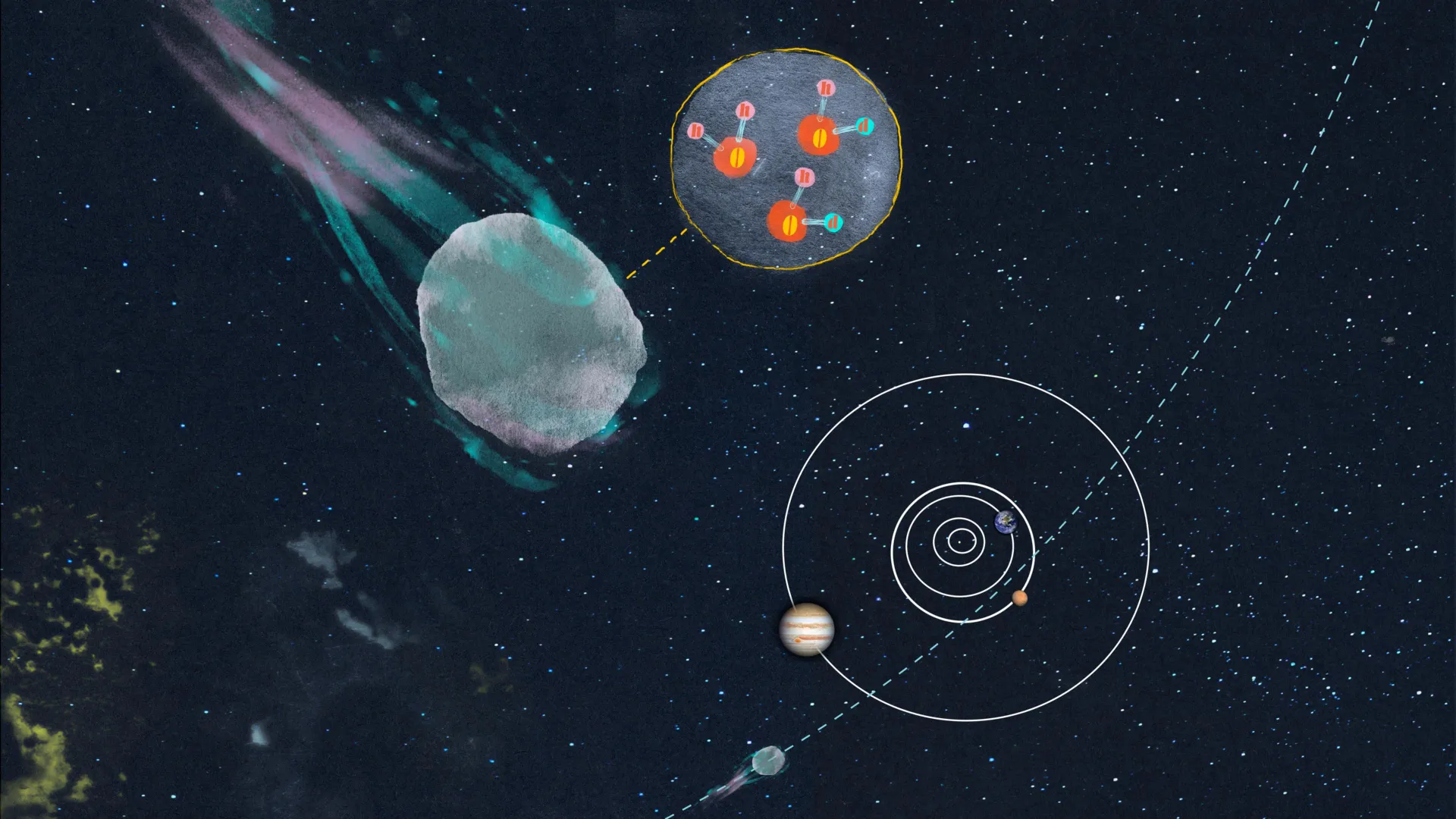
Interstellar comet 3I/ATLAS contains strange water never seen in our solar system
📰
0Read More

Interstellar comet 3I/ATLAS contains strange water never seen in our solar system

ScienceDaily·6 months ago
#7samXWqv

A mysterious comet from beyond our solar system is giving astronomers a rare glimpse into alien worlds — and it may have formed in a place far colder and stranger than anything around our Sun.…

15s
Webb space telescope finds a giant galaxy that doesn’t spin
📰
0Read More

Webb space telescope finds a giant galaxy that doesn’t spin

ScienceDaily·6 months ago
#Zi5tTVFb

Astronomers using the James Webb Space Telescope have spotted something that shouldn’t exist—at least not so early in the universe. A massive galaxy, formed less than 2 billion years after the Big Bang, appears to have no rotation at all, a trait usually…

15s
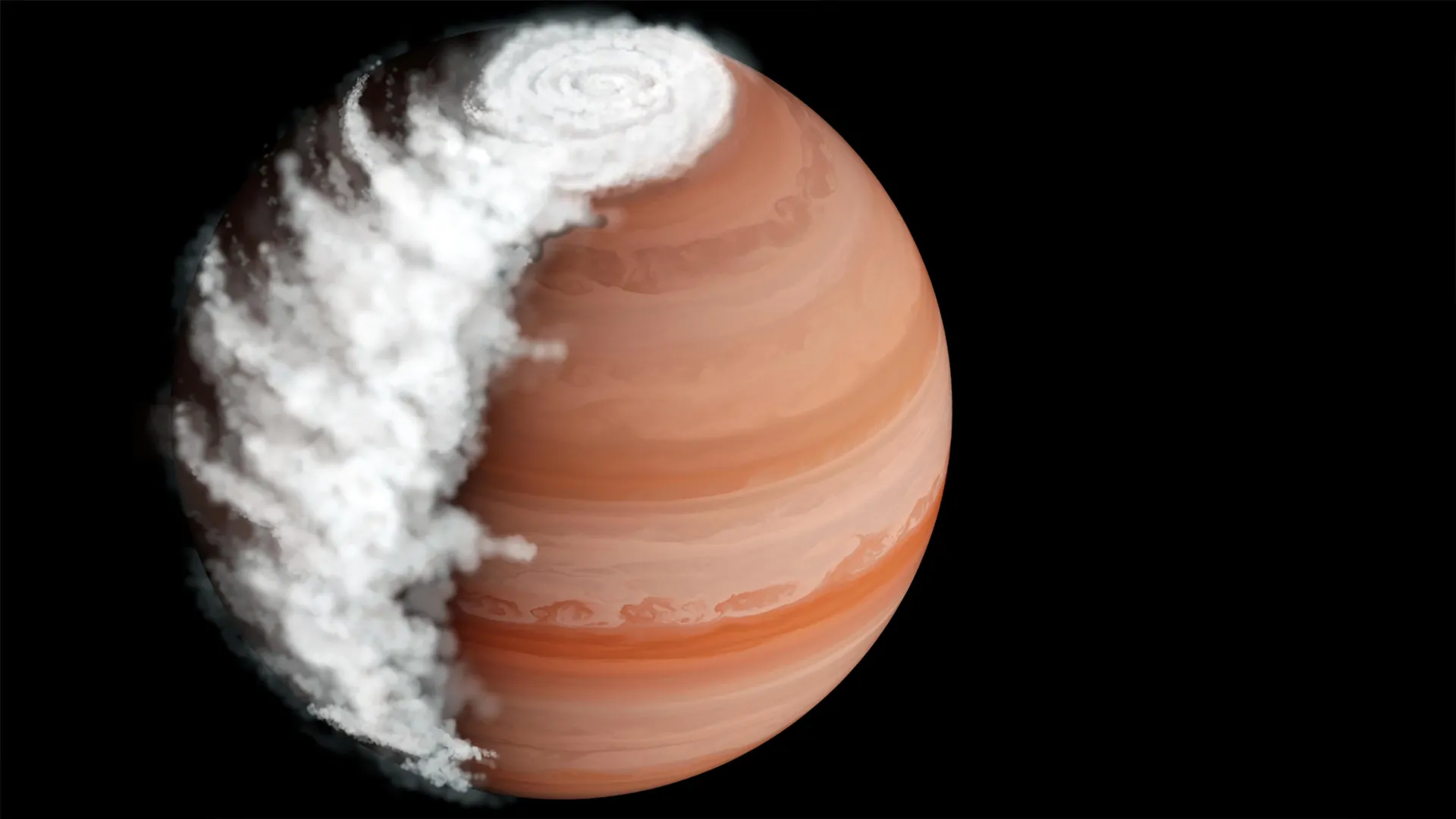
This strange planet pair shouldn’t exist, but it does
📰
0Read More

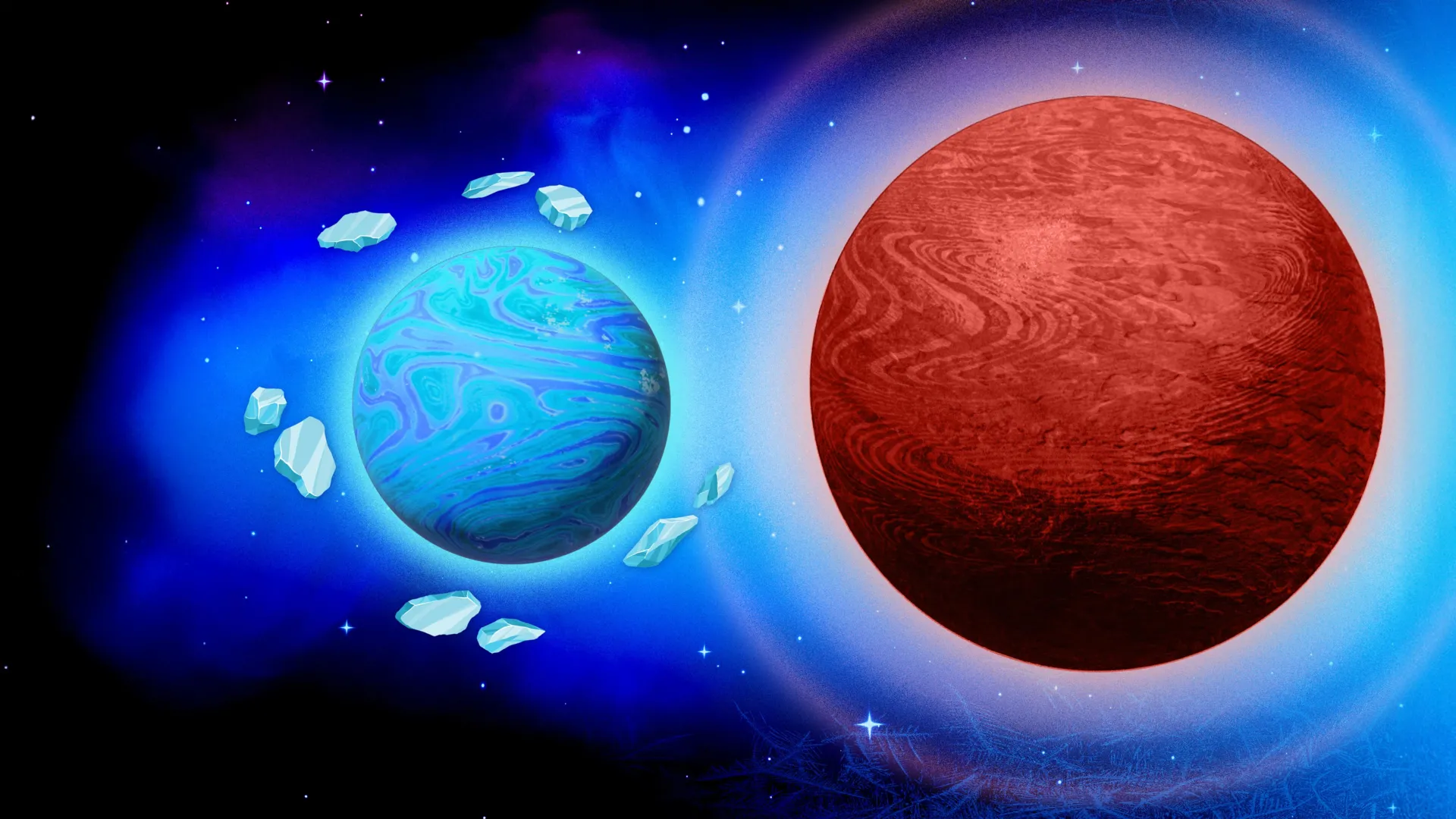
This strange planet pair shouldn’t exist, but it does

ScienceDaily·6 months ago
#kHvgxR47

A bizarre planetary pairing 190 light-years away is challenging everything astronomers thought they knew about how worlds form. A “lonely” hot Jupiter — typically found without nearby companions — is sharing its system with a smaller mini-Neptune tucked…

15s
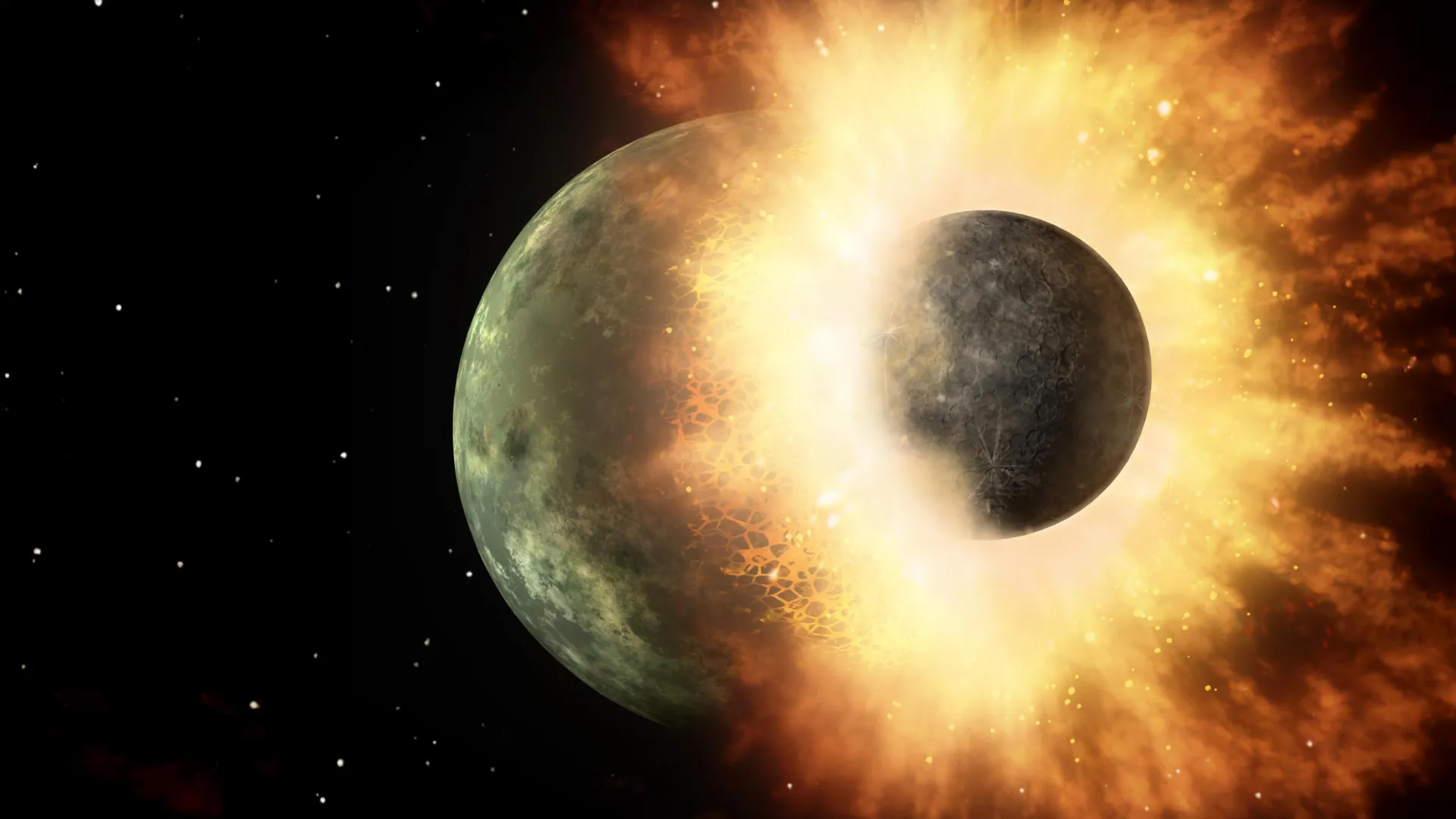
Webb space telescope reveals a scorching “super-Earth” that looks like Mercury
📰
0Read More

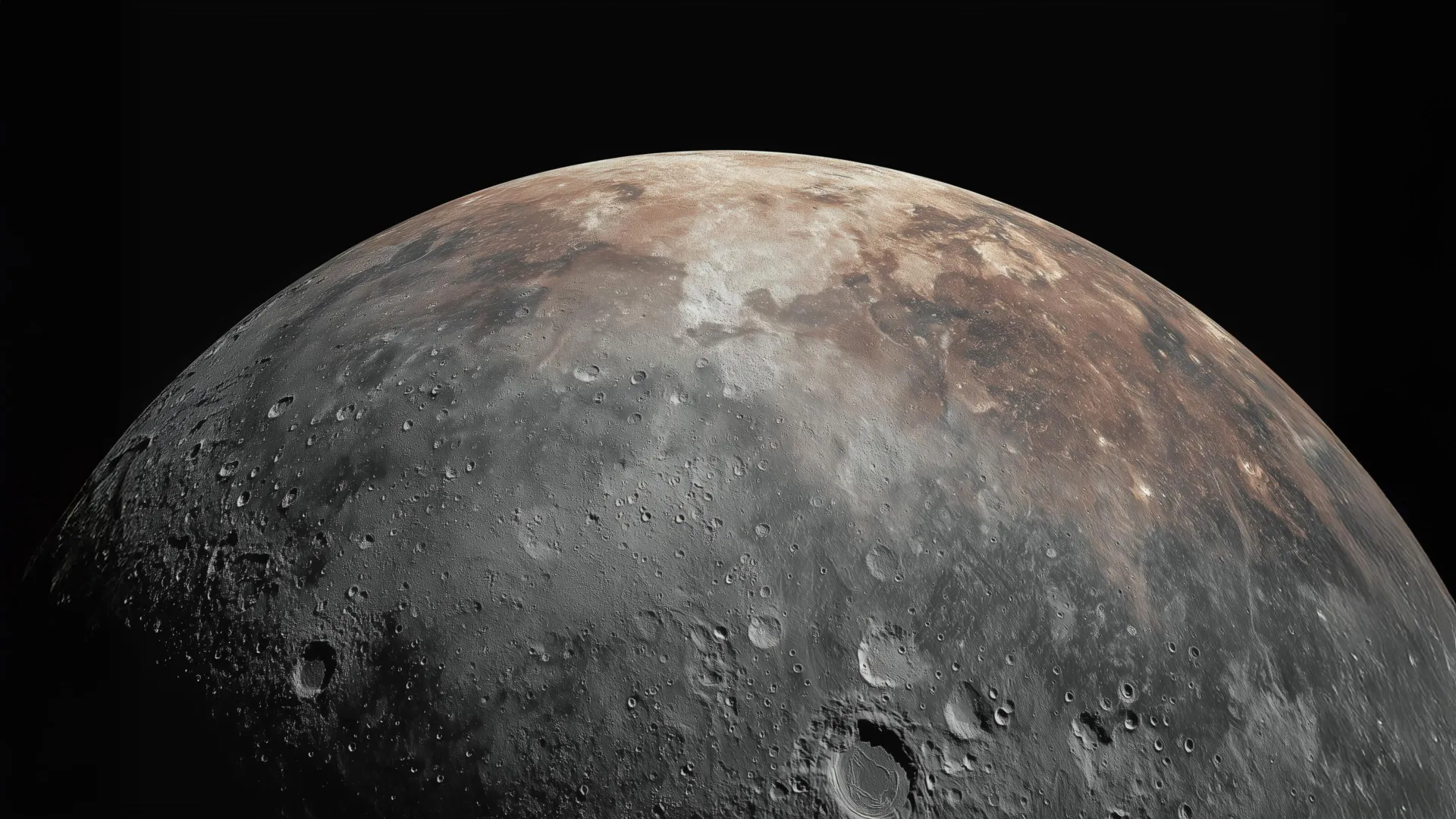
Webb space telescope reveals a scorching “super-Earth” that looks like Mercury

ScienceDaily·6 months ago
#HRtjRKSq

A scorching, airless world just 48 light-years away is offering scientists a rare glimpse into the geology of distant planets. Using the James Webb Space Telescope, researchers studied LHS 3844 b—a tidally locked “super-Earth” with a permanent dayside hot…

15s
Physicists just found a tiny flaw in time itself
📰
0Read More

Physicists just found a tiny flaw in time itself

ScienceDaily·6 months ago
#ZFghtig3

Physicists are rethinking one of quantum mechanics’ biggest puzzles: how fuzzy possibilities become definite reality. New research suggests that spontaneous “collapse” processes—possibly linked to gravity—could subtly blur time itself.…

15s
A one-in-a-million supernova seen five times could reveal the Universe’s true speed
📰
0Read More

A one-in-a-million supernova seen five times could reveal the Universe’s true speed

ScienceDaily·6 months ago
#3LFpUBat

A spectacular cosmic event nicknamed “SN Winny” could help solve one of astronomy’s biggest mysteries: how fast the universe is expanding. This rare superluminous supernova, located 10 billion light-years away, appears five times in the sky thanks to…

15s
Scientists just found the Milky Way’s edge and it’s closer than expected
📰
0Read More

Scientists just found the Milky Way’s edge and it’s closer than expected

ScienceDaily·6 months ago
#Kp0xHaIi

Scientists have uncovered the true boundary of the Milky Way’s star-forming region using stellar “age mapping.” They found a telltale U-shaped pattern showing that star formation drops sharply around 35,000–40,000 light-years from the center.…

15s
Astronomers may have found a strange new kind of cosmic explosion
📰
0Read More

Astronomers may have found a strange new kind of cosmic explosion

ScienceDaily·@HashtagPLUS·6 months ago
#2cfM93DV

A mysterious cosmic explosion has astronomers buzzing, as a strange event may hint at an entirely new kind of stellar cataclysm. After detecting ripples in space-time, scientists spotted a fast-fading red glow that initially looked like a rare…

15s