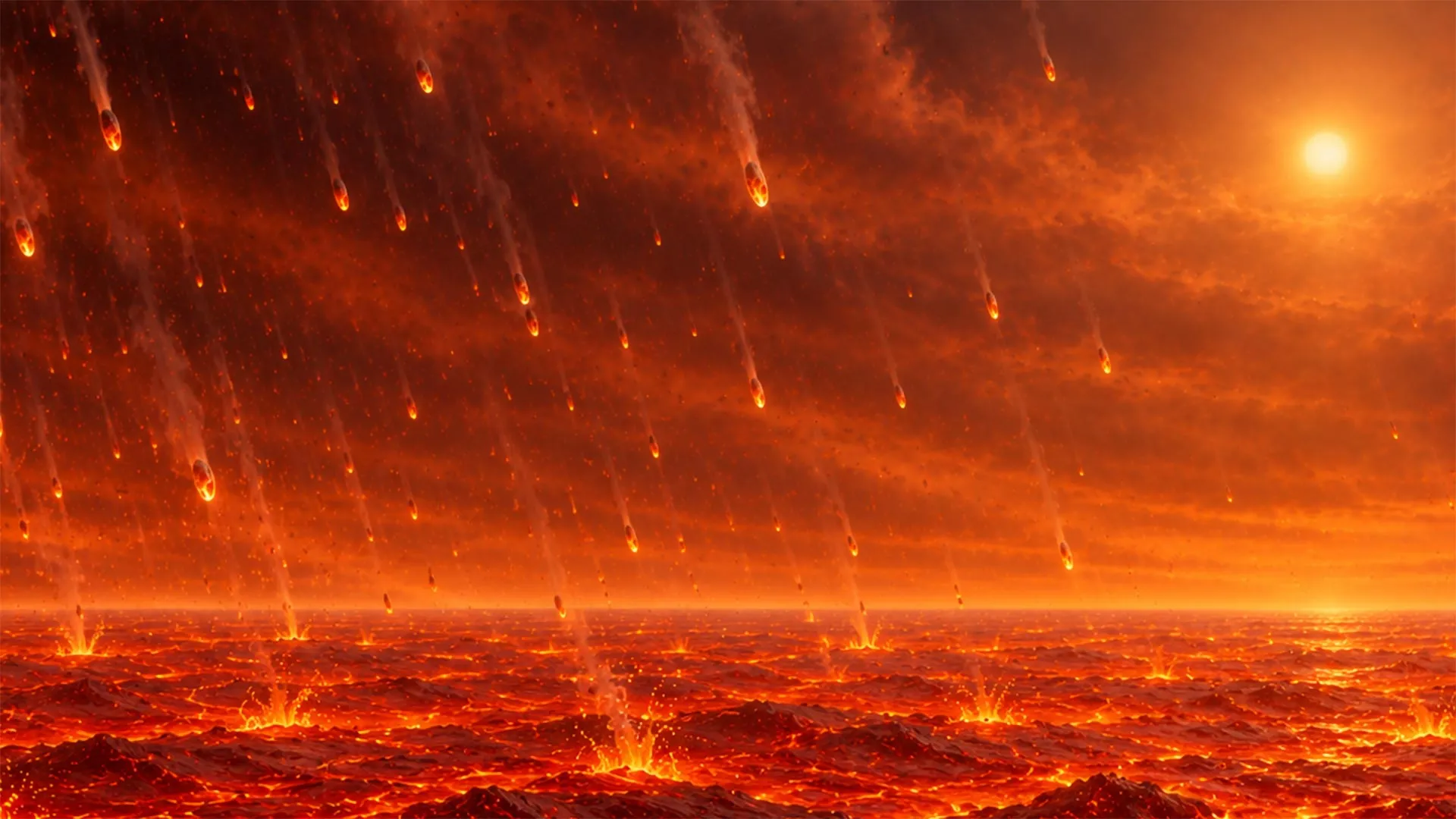
Earth's water may have been born in the planet's fiery atmosphere rather than delivered by icy comets or asteroids. Scientists discovered that rocky pebbles reacting with hydrogen under extreme heat can produce water in minutes, potentially generating…
A provocative new cosmological model suggests the Universe could be 26.7 billion years old and might not need dark matter or dark energy to explain its behavior.…
I earn a living by writing advertisements, and I am constantly frowned upon by my colleagues for my 'unreasonable' dislike of AI. One of them even predicts that one day, when I am drained of my last idea and the final thread of craft, I will wake up and…
An alternative model in which the universe is 26.7 billion years old and needs neither dark matter nor dark energy has held up against several major cosmology tests, according to a new University of Ottawa study.…
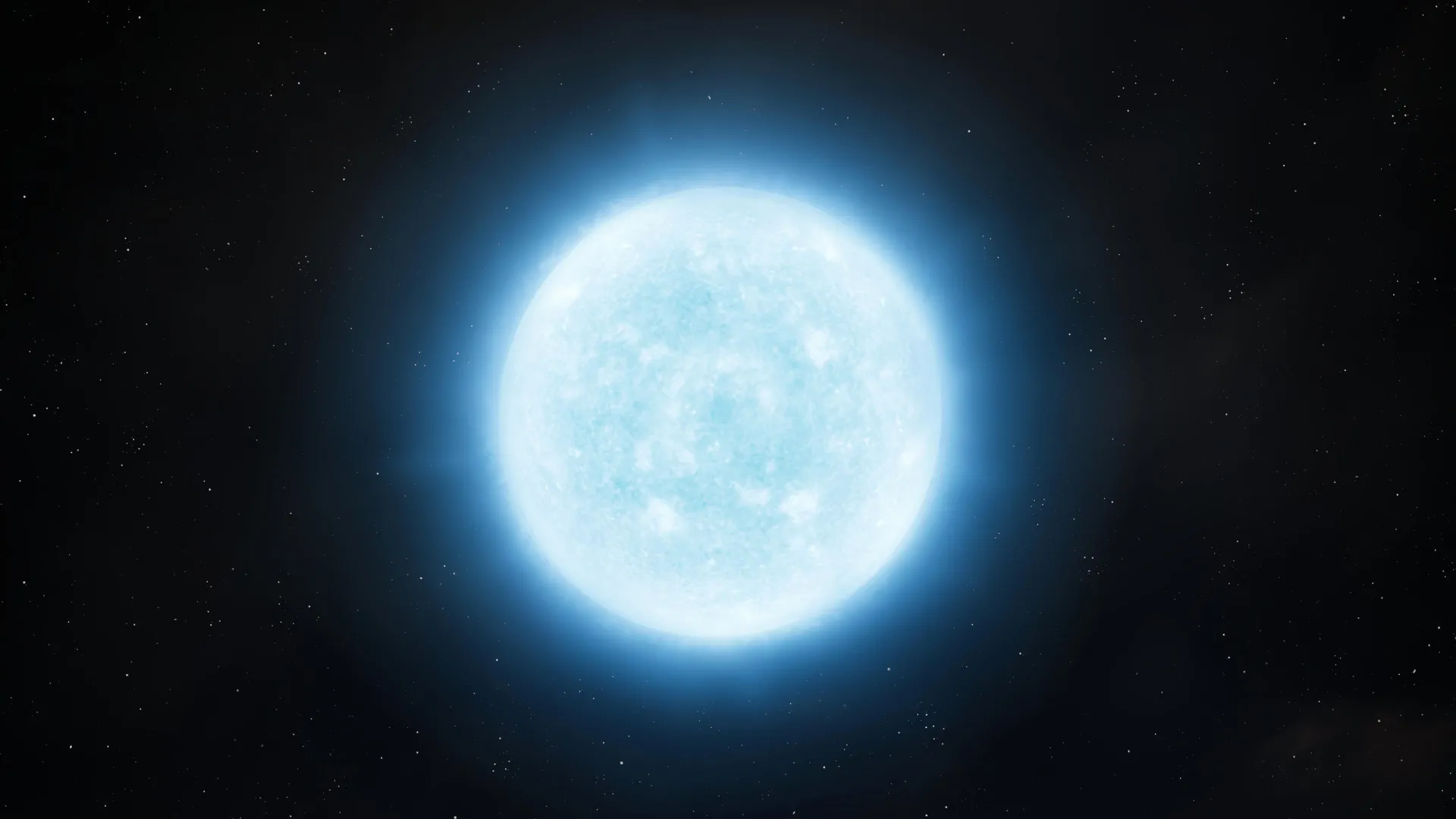
A surprising new discovery suggests that some dead stars can grow far more massive than scientists once thought possible. Computer simulations show that powerful magnetic fields could allow white dwarfs to reach 2.4 times the mass of the Sun, dramatically…
Scientists have created a miniature universe in the laboratory that could help answer one of the biggest mysteries in physics: What is time, and where does it come from?…
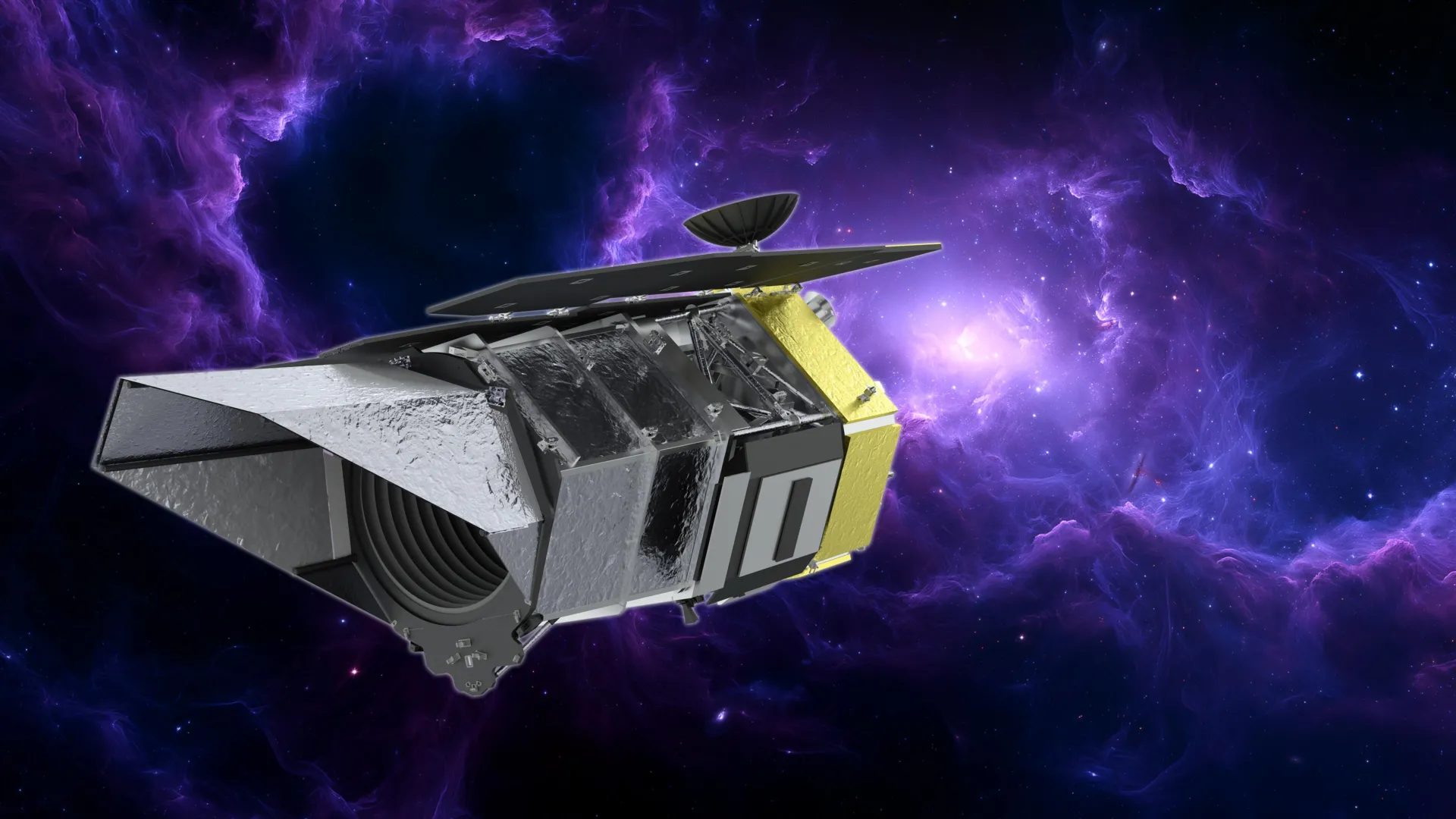
NASA’s Nancy Grace Roman Space Telescope has exceeded expectations after engineers made incredibly tiny adjustments to sharpen its view of the universe.…
A new study identifies the transitional point in the solar cycle when orbital decay accelerates — giving satellite operators and debris trackers a clearer picture.
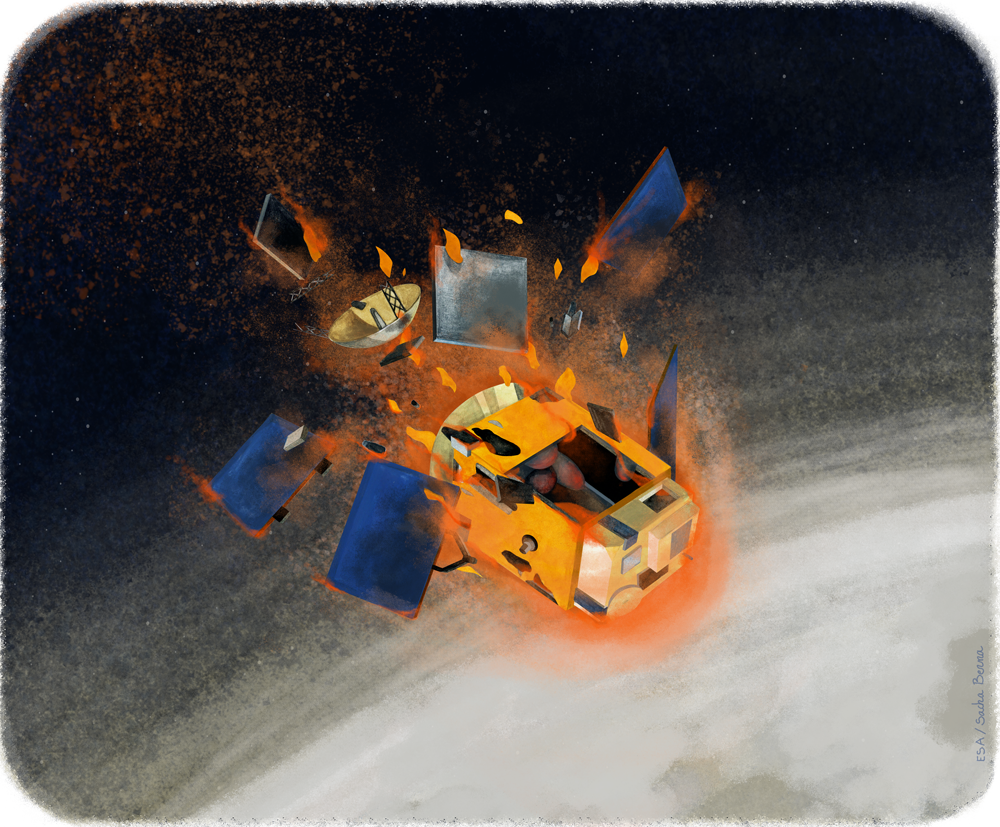
A surge in rocket launches is filling orbit with satellites built from tougher, more heat-resistant materials — and when they fall back to Earth, they aren't always burning up the way we expect.
New cosmology studies suggest the universe may not be perfectly uniform, potentially challenging long-standing assumptions about space, expansion, and dark energy.
The universe may not be perfectly uniform after all, a new series of papers hints. If confirmed, this could upend a nearly 100-year-old model of cosmology.
Scientists may have uncovered a surprising secret behind why life exists at all. A new study suggests that the Universe’s fundamental constants — the deep physical rules that govern everything from atoms to stars — appear to sit within an incredibly…
The Universe’s biggest black holes may not be born giants after all. Scientists analyzing gravitational-wave signals from dozens of black hole collisions found evidence that the heaviest black holes are likely “cosmic recyclers” — formed through repeated…
Ask your cosmology related questions in this thread. Please read the sidebar and remember to follow [reddiquette](https://www.reddithelp.com/hc/en-us/articles/205926439).
By studying how light from eight distant quasars is gravitationally lensed as it propagates towards Earth, astronomers have calculated a new value for the Hubble constant – a parameter that describes the rate at which the universe is exp...