The leading cause of foodborne illness is norovirus, which typically peaks in the winter months, while pathogens like Salmonella, Campylobacter, and E.coli can also cause severe symptoms, said Dr. Ellen Shumaker, the director of outreach at the Department of Agricultural and Human Sciences at North Carolina State University.
Despite so much of the situation being out of our control, there are things we can do to help mitigate the chances of getting sick, Shumaker said. “There are several steps that people can take to avoid getting foodborne illness. Washing hands is one of the most effective ways to prevent norovirus.”
She added that other steps include cleaning and sanitizing surfaces and equipment in the kitchen, avoiding cross-contamination between raw foods and ready-to-eat foods, using a food thermometer to make sure that foods are cooked thoroughly, and keeping cold foods cold and hot foods hot.
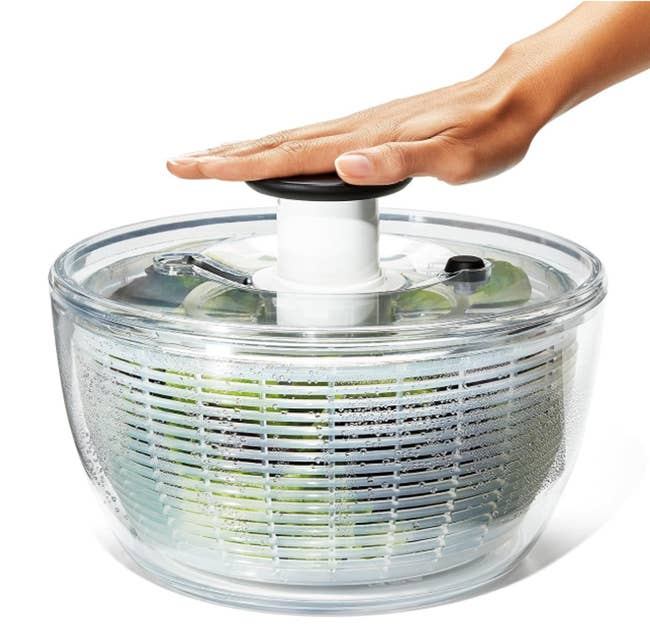
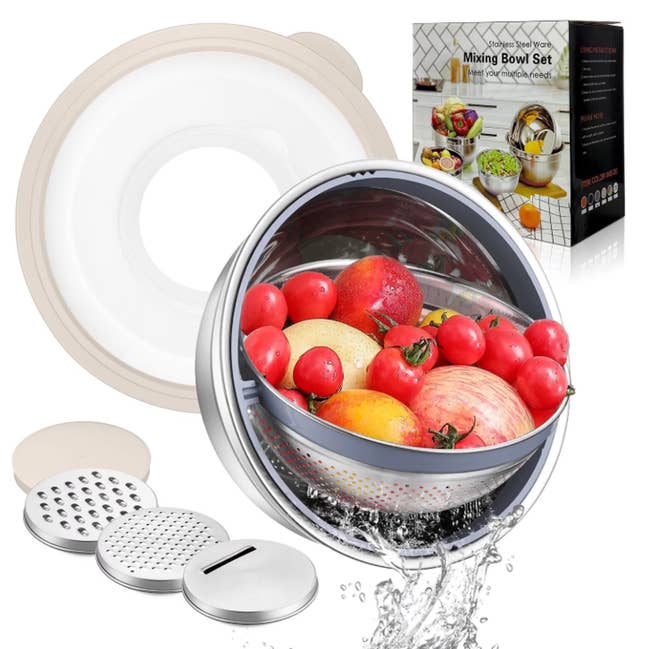
Shumaker also explained that “washing fruits and vegetables using plain running water is recommended to…