Menu

#Planets

65 posts

Feed·
20 of 65 posts
Astronomers Discover a Possible New Dwarf Planet in Our Solar System
📰
0Read More

Astronomers Discover a Possible New Dwarf Planet in Our Solar System

Feed: All Latest·Jorge Garay·about 5 hours ago
#8FWTyRNb
#wiredcom#technology#wired#dwarf#planet

Lying beyond Pluto, 2026 ED138 could be as large as 1,500 kilometers in diameter. Astronomers are still working to confirm whether it meets the criteria for a dwarf planet.

15s
Are 'mega-Earths' real? Stellar activity may explain these oversized rocky worlds
📰
0Read More

Are 'mega-Earths' real? Stellar activity may explain these oversized rocky worlds

#phys#science#rocky#planets#earths

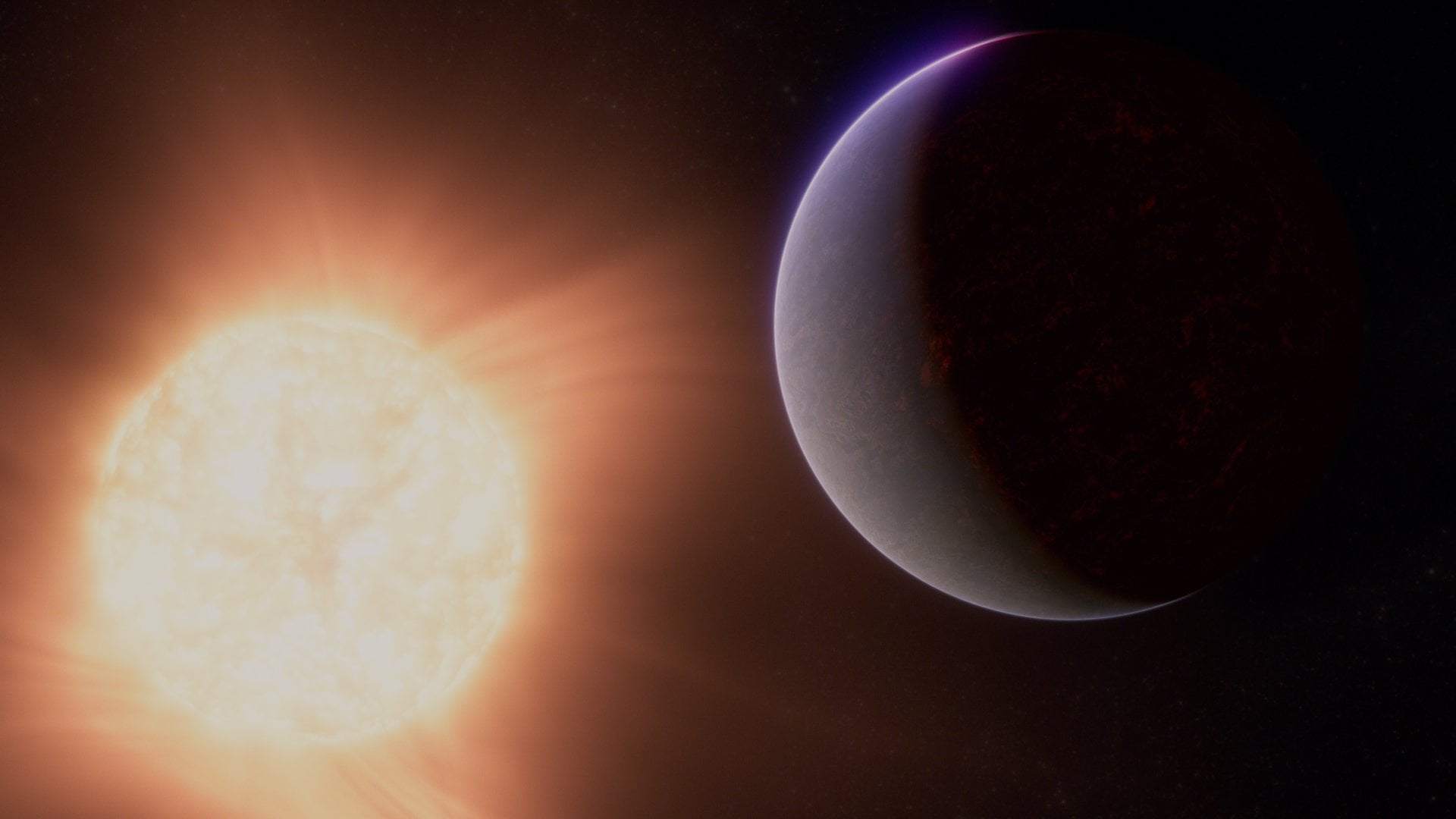
A new study suggests that some of the heaviest rocky planets ever reported may not be as heavy as they look. These so-called 'mega-Earths,' rocky planets weighing more than about 10 Earths, could be an illusion created by activity on their host stars.…

15s
Rogue planet moons could harbor alien life for billions of years
📰
0Read More

Rogue planet moons could harbor alien life for billions of years

ScienceDaily·5 months ago
#ns8pWQoX

Scientists say moons around rogue planets wandering through the galaxy could remain warm enough for life thanks to tidal heating and hydrogen-rich atmospheres.…

15s
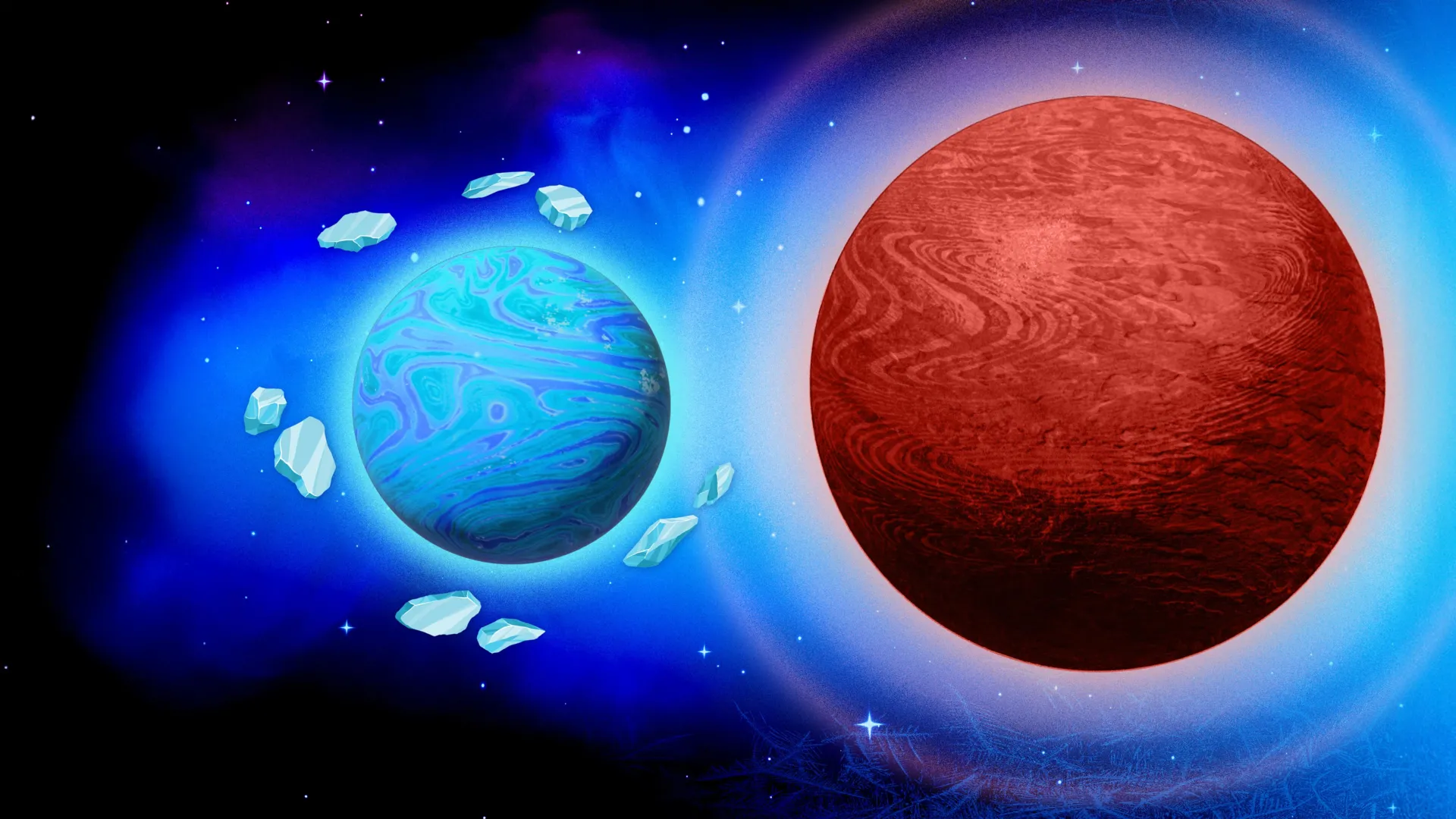
How Did This Peculiar Planet Pair Form?
🖼️
0Read More

How Did This Peculiar Planet Pair Form?

Astronomy News & Astronomical Events | Sky & Telescope·Arielle Frommer·5 months ago
#pTiga5Wv
#skyandtelescope#mini#star#neptune#planets

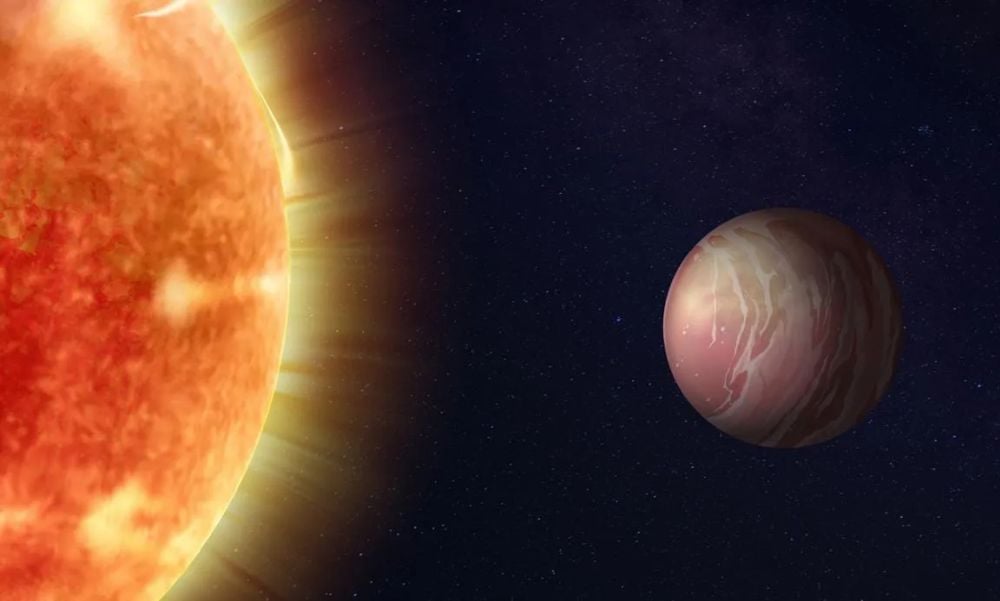
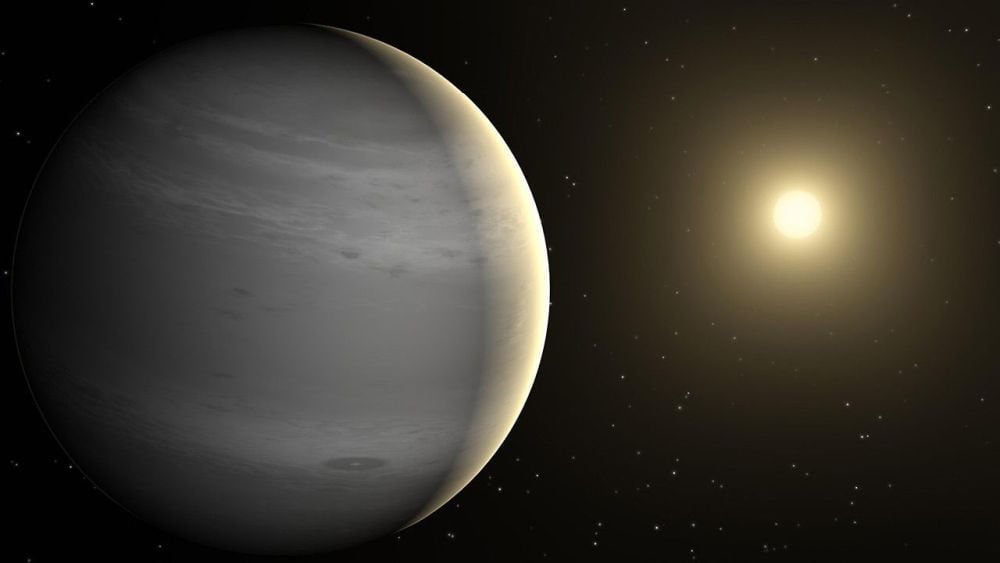
A planetary odd couple — a mini-Neptune and a hot Jupiter — probably formed much farther away from their star before migrating closer in.

15s
Uranus and Neptune may not be true ‘ice giants,’ new research suggests
📰
0Read More

Uranus and Neptune may not be true ‘ice giants,’ new research suggests

The Indian Express·Science Desk·6 months ago
#rrmBEITp

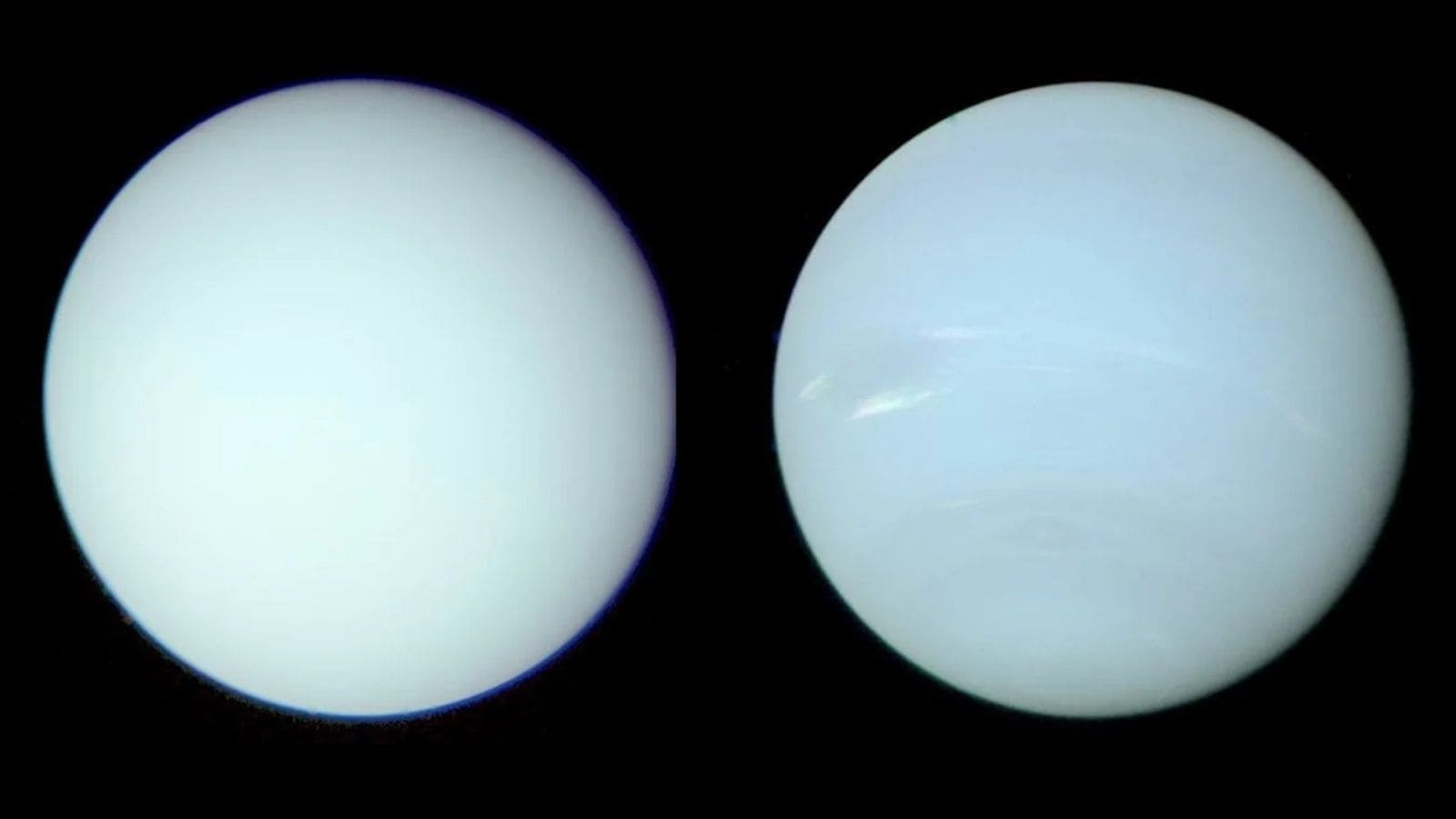
A new study may redefine how we classify Uranus and Neptune, suggesting that they may no longer be referred to as ice giants due to their rocky atmosphere, indicating a different composition.

15s
New Model Finds the Lower Size Limit for Habitable Exoplanets
📰
0Read More

New Model Finds the Lower Size Limit for Habitable Exoplanets

Universe Today·Andy Tomaswick·6 months ago
#nx78CDE4
#atmosphere#planet#earth#planets#smaller

The search for Earth 2.0 has begun in earnest. But there’s a huge variety of exoplanets out there, so narrowing down the search to focus valuable telescope time on only the best candidates is critical.…

15s
This strange planet pair shouldn’t exist, but it does
📰
0Read More

This strange planet pair shouldn’t exist, but it does

ScienceDaily·6 months ago
#kHvgxR47

A bizarre planetary pairing 190 light-years away is challenging everything astronomers thought they knew about how worlds form. A “lonely” hot Jupiter — typically found without nearby companions — is sharing its system with a smaller mini-Neptune tucked…

15s
An AI Pipeline Named RAVEN Just Pulled 31 New Planets Out of NASA TESS Data and Counted the Neptunian Desert
🖼️
0Read More

An AI Pipeline Named RAVEN Just Pulled 31 New Planets Out of NASA TESS Data and Counted the Neptunian Desert

DEV Community·Pudgy Cat·6 months ago
#ID4iSMsI
#ai#machinelearning#programming#raven#planets

From Dev.to - machinelearning: An AI Pipeline Named RAVEN Just Pulled 31 New Planets Out of NASA TESS Data and Counted the Neptunian Desert

15s
Closing The Exoplanet Radius Gap
🖼️
0Read More

Closing The Exoplanet Radius Gap

Universe Today·Evan Gough·6 months ago
#YbKN5665
#dwarfs#around#planets#valley#radius

Kepler and TESS showed us that there's a radius gap in the exoplanet population. There are very few planets between 1.5 and 2 Earth radii, according to the data. But new research shows that the gap may not be as significant as thought.

15s
Astronomers Just Found 27 Possible Planets Orbiting Two Suns. What Happens Next?
🖼️
0Read More

Astronomers Just Found 27 Possible Planets Orbiting Two Suns. What Happens Next?

VICE·Luis Prada·6 months ago
#qbd4nMYi
#am#drugs#photography#sex#travel

Astronomers found 27 potential worlds orbiting two stars, suggesting twin-sun planets might not be quite so rare.

15s